
Blooming
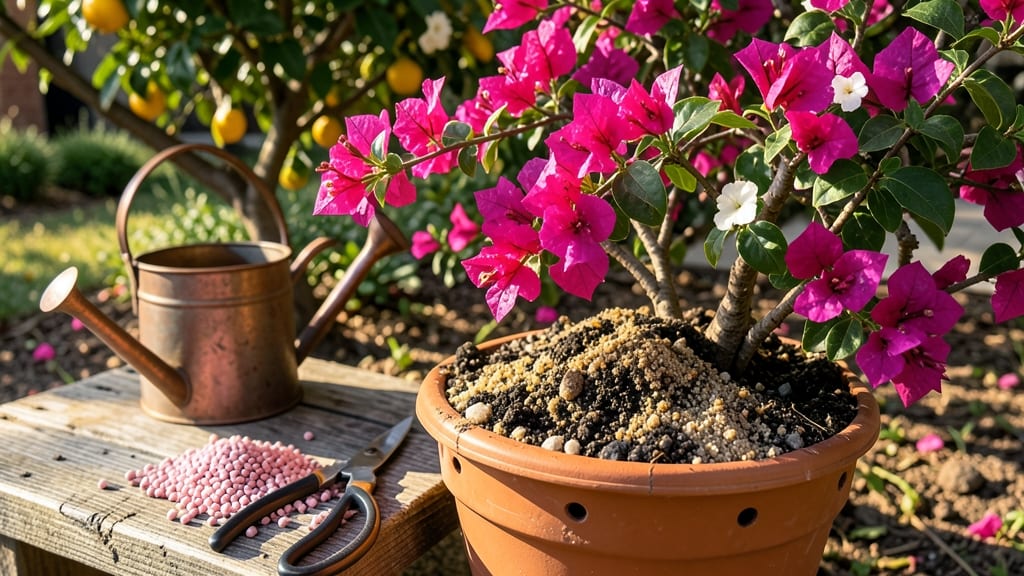
Your bougainvillea’s vibrant pink bracts should be the star of your patio—but they’re hiding behind stubborn green leaves. 🌿 The secret to year-round blooms in pots isn’t just sunlight (though that’s critical); it’s a mix of pruning precision, soil science, and a little seasonal trickery that most gardeners miss.
Start with the basics: 6+ hours of direct sun daily and a pot with drainage holes (no soggy roots means no flowers). Then, feed it low-nitrogen fertilizer—too much nitrogen = lush leaves, zero blooms.
I’ve seen bougainvilleas go from bare branches to bursting with color in just 8 weeks by adjusting these two things alone.
Pruning isn’t optional—it’s how you force the plant to focus on blooms. Cut back one-third of the oldest stems in early spring, then pinch new growth to encourage branching. The key? Prune right after a bloom cycle, not mid-season, or you’ll sacrifice next year’s flowers.
For winter dormancy (yes, even in pots), move your bougainvillea to a cool but bright spot (50–60°F) and reduce watering. Skipping this step is why so many potted bougainvilleas turn into leafy shrubs instead of flowering powerhouses. Trust me, the blooms are worth the patience.
📚 In This Guide
- What you need
- Instructions
- Tips and common mistakes
- Wrapping up and next steps
What you need
- ● Bougainvillea plant: A healthy, mature specimen (ensure it’s potted—container size: at least 12–18 inches wide and deep for established plants).
- ● Well-draining potting mix: 3 parts cactus/succulent mix + 1 part perlite/pumice (avoid garden soil—it’s a bloom-killer!).
- ● Container with drainage holes: Terracotta, ceramic, or fabric pots (size depends on plant age; upgrade pots every 2–3 years for root health).
- ● Balanced fertilizer: 10-10-10 or 20-20-20 (water-soluble, low in nitrogen to encourage blooms).
- ● Pruning shears: Sharp, sterilized (clean with rubbing alcohol between cuts to prevent disease).
- ○ Support stakes or trellis: (Optional but helpful for climbing varieties—use bamboo stakes or wire mesh).
- ○ Mulch (optional but recommended): Gravel or coarse bark to retain moisture and regulate soil temp.
- ● Time-release fertilizer: Slow-release granules for steady nutrient flow (apply 2–3 times per year).
- ● pH testing kit: Bougainvillea thrives in acidic to slightly alkaline soil (pH 6.0–7.0).
- ● Misting bottle: For humidity-loving varieties in dry climates.
- ● Epsom salt: 1 tsp per gallon of water (monthly spray for magnesium boost).
- ● Decorative pots or saucers: To hide drainage holes and add style!
Step-by-Step instructions for encouraging bougainvillea blooms in pots
Here's how I transform stubborn bougainvillea into a nonstop blooming powerhouse—no fancy tricks, just science-backed care.
☀️ Step 1: Position for Maximum Sunlight Exposure
Bougainvillea demands 6-8 hours of direct sunlight daily—no compromise. The vibrant bracts that look like flowers actually need full sun to develop their signature colors. Place your pot in the brightest, most sheltered spot—south or west-facing is ideal. If your patio only gets partial sun, supplement with a grow light for 12-14 hours daily.
You'll know your bougainvillea is getting enough light when new growth appears within 2-3 weeks—it should look thick and dark green, not pale or stretched. If stems grow leggy and bracts stay small, move it closer to the light source immediately. Morning sun with afternoon shade works in hot climates, but avoid deep shade entirely.
🪴 Step 2: Use Well-Draining Soil and the Right Pot Size
Bougainvillea roots despise soggy conditions, so use a fast-draining cactus/succulent mix combined with 30% perlite or pumice to prevent root rot. Fill a pot with at least 12-inch diameter—smaller pots restrict growth and reduce blooms. Terra cotta pots help wick away excess moisture, but ensure they have drainage holes.
Here's the thing—bougainvillea blooms best when slightly root-bound. Repot only when roots circle the pot's bottom. When you do repot, trim 25% of the roots to encourage new growth and better nutrient uptake. This shock actually triggers more vigorous blooming in the next season.
✂️ Step 3: Prune Strategically for More Blooms
Pruning bougainvillea isn't about shaping—it's about redirecting energy. Cut back 1/3 of the oldest stems in early spring to stimulate new growth from the base. Always prune just above a leaf node where new buds will form. Avoid shearing—this removes flower buds and encourages weak, leafy growth.
After the first flush of blooms, trim again to remove spent flower clusters and leggy stems. You'll see new shoots emerge within 2-4 weeks—these are your future blooming stems. Never prune in fall or winter, as the plant needs all its energy to survive dormancy. The key is to prune just before a growth surge, not after.
💧 Step 4: Water and Fertilize for Continuous Blooms
Water bougainvillea only when the top 2 inches of soil feel completely dry. Overwatering is the #1 killer of potted bougainvillea—it causes root rot and stops blooming. In summer, this might mean watering every 3-4 days, while winter watering should be every 10-14 days. Always water at the base, never overhead.
Feed with a balanced 10-10-10 fertilizer every 4-6 weeks during growing season (spring through fall). When buds form, switch to a low-nitrogen, high-phosphorus formula (5-10-10) to encourage more blooms. I also add a handful of granular bloom booster to the soil in early spring—this gives a slow-release phosphorus boost that lasts all season.
⏰ Step 5: Manage Temperature and Encourage Dormancy
Bougainvillea needs a winter rest period to rebloom vigorously. When nighttime temps drop below 50°F, move pots to a cool, bright location (like a garage with windows) and reduce watering. Let the soil dry out completely between waterings—this mimics natural dormancy conditions.
Here's where it gets interesting: If you live in a mild climate, you can simulate dormancy by moving the plant to a 50-60°F environment for 6-8 weeks in winter. This break resets the plant's cycle and ensures a stronger spring bloom. Avoid fertilizing during dormancy—wait until you see new growth in early spring before resuming care.
Tips & tricks for year-round bougainvillea blooms
Here's what nobody tells you about keeping your bougainvillea in constant bloom—these are the details that separate a struggling plant from a vibrant showstopper.
Lighting Strategy: The 6-8 hours of direct sunlight in Step 1 is non-negotiable, but here's the secret: rotate your pot quarter-turns every 2 weeks. This ensures even light exposure on all sides, preventing one-sided growth and maximizing those colorful bracts. In cloudy climates, supplement with a full-spectrum LED grow light positioned 6-12 inches above the plant for those 12-14 hours daily—just don't let it touch the leaves.
Soil Science: When mixing your cactus/succulent blend with 30% perlite or pumice, add a handful of worm castings to the mix. The beneficial microbes in worm castings improve nutrient uptake, which directly translates to more blooms. Also, consider adding a slow-release osmocote fertilizer (14-14-14) to your soil mix—this provides a steady nutrient supply without the risk of over-fertilizing.
Pruning Precision: That 1/3 pruning of oldest stems in Step 3 is where the magic happens, but timing matters. Do it right after your last frost date when daytime temps consistently stay above 60°F. The plant needs to be actively growing to respond to the pruning shock. For the second pruning after blooms, look for stems that are longer than 12 inches—these are the ones to trim back to encourage bushier growth and more blooming sites.
Fertilizer Timing: The switch to low-nitrogen, high-phosphorus (5-10-10) when buds form is crucial, but here's the pro move: apply it in the early morning when the plant is actively photosynthesizing. This gives the nutrients maximum time to be absorbed before the heat of the day. Also, mix your granular bloom booster with the top 2 inches of soil rather than broadcasting it—this prevents nutrient burn and ensures even distribution to the root zone.
Pro Tips for Make Bougainvillea Bloom In Pots
- Here's what nobody tells you about keeping your bougainvillea in constant bloom—these are the details that separate a struggling plant from a vibrant showstopper.
- Lighting Strategy: The 6-8 hours of direct sunlight in Step 1 is non-negotiable, but here's the secret: rotate your pot quarter-turns every 2 weeks.
- Soil Science: When mixing your cactus/succulent blend with 30% perlite or pumice, add a handful of worm castings to the mix.
Frequently asked questions
about making bougainvillea thrive and bloom in pots—because even the most passionate gardeners need a little extra guidance!Why isn’t my bougainvillea blooming, even with plenty of sun?
Bougainvillea blooms are triggered by stress—like drought or heat. If your plant gets too much water or shade, it may focus on leaf growth instead. Try letting the top inch of soil dry out between waterings and place it in a bright, hot spot (6+ hours of direct sun daily). If it’s still not flowering, check for over-fertilizing—too much nitrogen = fewer blooms!
How often should I prune my potted bougainvillea for better blooms?
Prune after blooming (late winter/early spring) to shape the plant and encourage new growth. Light trims throughout the year (removing dead or leggy stems) also help. Never prune in fall—it can stunt next year’s blooms. Use clean, sharp shears and cut just above a leaf node (growth point) to promote bushier, flower-filled branches.
Can I use tap water for my bougainvillea, or should I use rainwater?
Tap water is fine for bougainvillea, but if your water is hard (high in minerals) or fluoridated, it can build up salts in the soil over time. For best results, use rainwater or distilled water if possible, or flush the pot occasionally with plain water to rinse out excess salts. Yellowing leaves or crispy edges? It might be a sign of over-salinity!
How cold can my potted bougainvillea handle before it stops blooming?
Bougainvillea thrives in USDA Zones 9–11 and needs temps above 30°F (-1°C) to bloom. Below 50°F (10°C), growth slows, and blooms may drop. If you live in a colder climate, move pots indoors near a sunny window during winter or grow it as an annual. A heat lamp can help extend the blooming season in chilly months!
What’s the best potting mix for bougainvillea if I don’t want to make my own?
Look for a fast-draining, well-aerated mix like a cactus/succulent blend or a 50/50 mix of potting soil and perlite/pumice. Pre-mixed options with orchid bark or coconut coir also work well. Avoid heavy garden soil—it retains too much moisture and can rot roots. Pro tip: Add a handful of coarse sand or gravel to improve drainage!
Wrapping up and next steps
Growing vibrant bougainvillea blooms in pots is totally within reach—just follow the sunshine, pruning, and soil secrets we’ve shared! With the right balance of bright light, well-draining soil, and strategic trimming, you’ll enjoy those stunning colors year-round. 🌸
Now that you’re armed with the know-how, roll up your sleeves and give it a try!
Start by selecting the perfect pot and soil mix, then watch as your bougainvillea transforms into a blooming superstar. Ready to dive deeper? Explore our seasonal care guide or join gardening communities to share your progress!