
How To
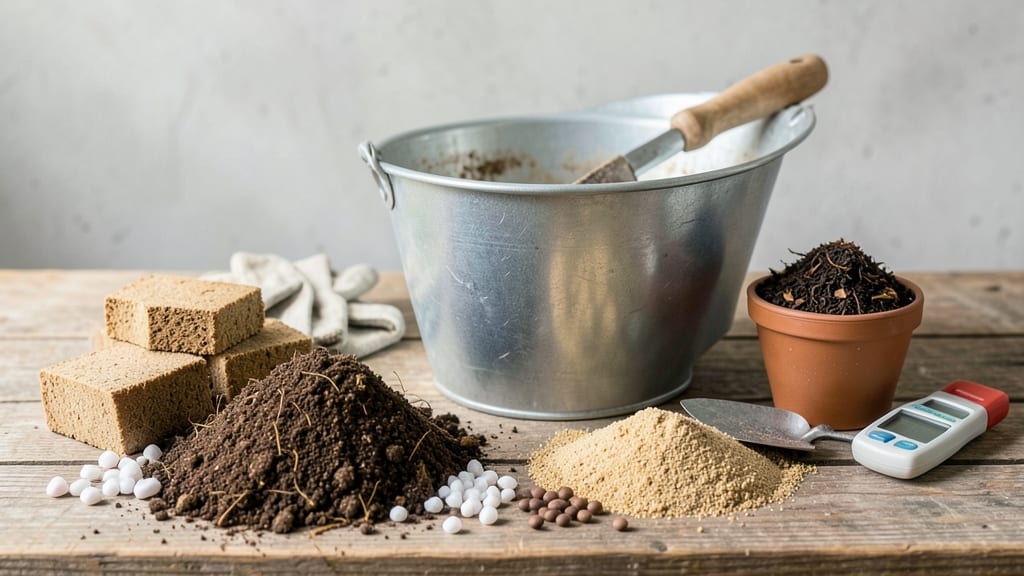
How to make potting soil at home—your plants deserve better than store-bought soil. 🌱 The right homemade potting mix transforms weak seedlings into thriving giants—just like my basil that went from sad to lush in two weeks after switching to my custom blend. Start with equal parts compost (for nutrients), coconut coir or peat moss (for moisture), and perlite or sand (for drainage). The key is balance: too much compost = soggy roots; too much perlite = thirsty plants. My mix uses 50% compost, 30% coconut coir, and 20% perlite—adjust based on what you're growing. This mix costs less than $10 for a cubic foot and lasts seasons, cutting waste while keeping roots happy. You’ll notice stronger stems, better bloom production, and fewer wilting episodes—because the soil actually supports growth, not just holds moisture. Works for everything from windowsill herbs to tomato towers, and you can tweak it for succulents (more perlite) or moisture-loving plants (extra coir). Let’s get mixing!
The Root Causes of Poor Soil Mixes
Even with the best intentions, homemade potting soil can fall short—leaving plants stunted, roots suffocating, or nutrients leaching away too quickly. Understanding why these issues occur helps you troubleshoot and create a balanced, high-performance mix every time.
Below are the most common culprits, backed by science, and how they sabotage your soil.
Potting soil is a delicate balance of three key components: organic matter (like compost or peat), inorganic bulk (such as perlite or sand), and water-holding capacity. When this ratio is off, plants struggle to breathe or drink.
Why it happens:
- Compacted soil: Too much organic material (e.g., heavy peat moss or uncomposted wood chips) creates a dense, clay-like texture. Without air pockets, roots suffocate from anaerobic conditions, leading to root rot and fungal growth. Studies show that compacted soil can reduce oxygen levels by up to 80%, choking plant roots.
- Drainage disasters: Overusing sand or perlite without enough organic matter turns soil into a desert. Water drains too fast, flushing out nutrients before plants can absorb them. This is especially true in container gardens, where moisture evaporates quickly.
- Soggy bottoms: A mix heavy on fine particles (like silt or powdered materials) traps water at the bottom of pots, creating a waterlogged zone. This triggers denitrification, where beneficial soil microbes suffocate and release harmful gases like methane.
Actionable fix: Aim for a 40-40-20 rule—40% organic matter (compost, coconut coir), 40% inorganic bulk (perlite, vermiculite, or coarse sand), and 20% water-retention boosters (worm castings, biochar). For heavy clay soils, add 20% perlite; for sandy soils, mix in 30% peat moss.
Healthy soil is a bustling ecosystem of bacteria, fungi, and protozoa that break down nutrients and protect plants. But if your mix lacks diversity—or has too much of one type—your plants pay the price.
Why it happens:
- Sterile soil syndrome: Using uncomposted materials (like fresh wood chips or untreated sawdust) introduces C/N imbalance (carbon-to-nitrogen ratio). High carbon slows microbial activity, starving plants of nitrogen. Research shows that a C/N ratio above 30:1 can halt decomposition for months.
- Fungal dominance: Overusing peat moss or sphagnum promotes pathogenic fungi (like Phytophthora) that cause damping-off in seedlings. These fungi thrive in acidic, waterlogged conditions—common in peat-heavy mixes.
- Pesticide poisoning: If your compost contains chemical residues (from old garden waste or synthetic fertilizers), it can kill beneficial microbes like mycorrhizal fungi, which help plants absorb phosphorus. A 2015 study found that neonicotinoid pesticides reduced soil microbial diversity by 40%.
Actionable fix:
- Add worm castings or compost tea to introduce diverse microbes.
- Use biochar (charred plant matter) to create habitat niches for beneficial bacteria.
- Avoid fresh manure—compost it for at least 6 months to balance C/N ratios.
Even if your soil is rich in nutrients, plants can’t use them if they’re chemically bound or in the wrong form. This is a silent killer of homemade mixes.
Why it happens:
- pH problems: Most plants thrive in a slightly acidic to neutral pH (6.0–7.0). If your mix is too acidic (from peat moss) or alkaline (from lime-heavy compost), nutrients like iron, manganese, and phosphorus become unavailable. For example, soil pH below 5.5 locks out 90% of plant-accessible phosphorus.
- Salt buildup: Over-fertilizing or using synthetic amendments (like Epsom salt or gypsum) without flushing can create osmotic stress. Excess salts draw water out of plant roots, causing wilting even when soil is moist.
- Immobilized nitrogen: If your organic matter is too fresh (like grass clippings or leaves), microbes compete with plants for nitrogen, leading to yellowing leaves (a condition called nitrogen immobilization).
Actionable fix:
- Test your soil’s pH with a digital meter or test kit. Adjust with:
- Lime (calcium carbonate) for acidic soil (raise pH).
- Elemental sulfur or pine needles for alkaline soil (lower pH).
- Use slow-release fertilizers (like bone meal or fish emulsion) to avoid salt buildup.
- Add aged compost or worm castings to prevent nitrogen lockout.
Soil isn’t just about what’s in it—it’s also about the environment you create. Extreme temperatures or moisture swings can turn your carefully crafted mix into a hostile zone.
Why it happens:
- Overheating: Dark, organic-rich soil (especially in black pots) can reach 120°F+ (49°C+) in sunlight, killing beneficial microbes and causing seedling burn. Studies show that soil temps above 95°F (35°C) reduce root growth by 50%.
- Freeze-thaw cycles: Repeated freezing and thawing disrupts soil structure, creating air pockets that dry out roots. It also
Fixing Common Potting Soil Pitfalls
Even the best homemade potting soil can run into issues—whether it’s too dense, drains poorly, or lacks nutrients. The good news? Most problems have simple, DIY-friendly fixes. Below, we’ll tackle the most common challenges with practical solutions and prevention tips to keep your soil (and plants) thriving.
If your homemade mix feels like packing dirt or stays clumped after watering, it’s likely too dense. Compacted soil suffocates roots, blocks water flow, and starves plants of oxygen.
#### ✅ Fix It: 1. Add Perlite or Vermiculite (5-10%) - These lightweight minerals create air pockets and improve drainage. - How to do it: Mix in 1 part perlite/vermiculite per 4-5 parts soil. - Pro tip: 💡 Perlite is better for drainage; vermiculite retains moisture longer. 2. Incorporate Coarse Sand or Grit - Use builder’s sand (not fine beach sand) to break up clay. - How to do it: Add 1-2 cups per 5-gallon bucket of soil. 3. Boost with Compost or Peat Moss - Loosens texture while adding organic matter. - How to do it: Blend in 20-30% compost or peat moss. #### 🛡️ Prevent It: - Test your base materials before mixing—clay soil? Add amendments before combining. - Avoid over-tilling when mixing; gentle aeration works better.If water pools on top or drips out like soup, your mix is too fine or lacks structure. Root rot and fungal issues follow fast.
#### ✅ Fix It: 1. Increase Porosity with Chunks - Add chopped coconut coir, bark chips, or small gravel (¼-inch pieces). - How to do it: Sprinkle 10-15% by volume into your mix. 2. Use a "Layered" Approach - For containers, add a 1-inch drainage layer of: - Pebbles or broken terracotta pots (bottom) - Coarse sand or perlite (middle layer) - Pro tip: ✨ For heavy pots, use a drill to add drainage holes if none exist. 3. Adjust Watering Habits - Let the top inch dry between waterings. - Quick test: Stick your finger in—if it’s soggy, hold off! #### 🛡️ Prevent It: - Balance moisture-retentive (peat/compost) with fast-draining (perlite/sand) materials—aim for a 60/40 ratio. - Avoid overwatering—especially in closed containers.Sandy mixes drain too quickly, flushing away nutrients and leaving roots parched. Plants wilt between waterings, even with frequent hydration.
#### ✅ Fix It: 1. Add Organic Matter (20-40%) - Compost, worm castings, or leaf mold hold moisture while feeding microbes. - How to do it: Mix in 1 part organic matter per 2 parts sand. 2. Use Hydrogel Crystals (Optional Boost) - Absorbs water like a sponge—great for succulents or forgetful gardeners. - How to do it: Sprinkle 1 tsp per gallon of soil; soak before planting. 3. Top-Dress with Mulch - Coco coir, straw, or wood chips slow evaporation. - How to do it: Apply a 1-inch layer on top after planting. #### 🛡️ Prevent It: - Pair sand with moisture-loving additives (e.g., sand + peat + compost = 40/30/30). - Group sandy pots together and water deeply 2-3x/week instead of daily shallow watering.Homemade soil can attract fungus gnats, mold, or harmful bacteria if it’s too wet or lacks balance.
#### ✅ Fix It: 1. Sterilize Your Mix - Bake soil in the oven at 200°F for 30 minutes to kill pests/eggs. - Alternative: Freeze potting mix for 48 hours. 2. Add Pest-Repellent Amendments - Diatomaceous earth (1 tbsp/gallon) or crushed eggshells deter gnats. - For fungi: Mix in 1 part cinnamon or neem powder (1 tbsp/gallon). 3. Improve Airflow - Loosen soil with a fork if compacted. - Use a fan for 10 mins/day near seedlings to prevent damping-off. #### 🛡️ Prevent It: - Let fresh compost age for 3-6 months before using (fresh manure = pest magnet). - Store soil in a dry, ventilated container (not plastic bags). - Rotate crops if reusing containers—don’t plant the same family in the same soil yearly.Even "rich" homemade soil can lack specific nutrients if not balanced. Yellow leaves, stunted growth, or weak stems signal a deficiency.
#### ✅ Fix It: | Symptom | Likely Deficiency | Quick Fix | Prevention | |---------------------------|-----------------------|----------------------------------------|-----------------------------------------| | Yellow lower leaves | Nitrogen | Add alfalfa meal or blood meal (1 tbsp/gallon) | Use composted manure in your base mix. | | Purple stems/leaves | Phosphorus | Mix in bone meal (1 tbsp/gallon) | Add fish emulsion every 2 months. | | Weak, leggy growth | Potassium | Use greensand or wood ash (1 tsp/gallon) | Include banana peels (composted). | | Pale green/yellowing | Magnesium/Calcium | Sprinkle crushed eggshells or Epsom salt (1 tsp/gallon) | Add crushed limestone to clay-heavy soil. | #### 🛡️ Prevent It: - Test your soil with a DIY kit ($10) before planting—adjust pH (ideal: 6.0-7.0) with lime (to raise) or sulfur (to lower). - Rotate nutrient sources—don’t rely solely on compost. Mix in kelp meal, worm castings, or biochar for variety.Remember: The key to foolproof potting soil is balance—drainage + nutrients + aeration. Start with a base recipe (e.g., 40% compost, 30% peat/coir, 20% perlite, 10% sand), then tweak based on your plants’ needs. Happy mixing! 🌱✨
Frequently asked questions about homemade potting soil
1What’s the simplest potting mix I can make with just 3 ingredients?
Start with equal parts compost (for nutrients), coconut coir or peat moss (for moisture), and perlite (for drainage). For example, mix 1 part compost, 1 part coconut coir, and 1 part perlite. This basic trio works for most container plants and costs less than store-bought blends.
2Can I use regular garden soil instead of potting mix?
No—garden soil compacts easily, drains poorly, and can harbor pests. For containers, always use a lightweight mix with 20-30% perlite or vermiculite to prevent root suffocation. If you must use garden soil, blend it with 50% compost and 20% sand first.
3How do I adjust my mix for succulents vs. moisture-loving plants?
For succulents, use 60% perlite or coarse sand and 40% compost—this prevents rot. For moisture-loving plants (like ferns or calatheas), go 50% peat moss or coconut coir, 30% compost, and 20% perlite to retain water while allowing airflow.
4Will homemade potting soil last longer than store-bought?
Yes! Homemade mixes often last 2-3 seasons if stored properly (in a dry, ventilated container). Store-bought soil typically breaks down faster due to lower organic matter. To extend shelf life, add 10% biochar—it improves microbial activity and moisture retention over time.
5How do I fix a mix that’s too acidic for my plants?
Test your soil’s pH first (ideal range: 6.0-7.0 for most plants). If too acidic, add 1 tablespoon of garden lime per gallon of soil and mix well. For alkaline soil, use elemental sulfur or pine needles (1 tablespoon per gallon). Re-test after 2 weeks.