
Planting
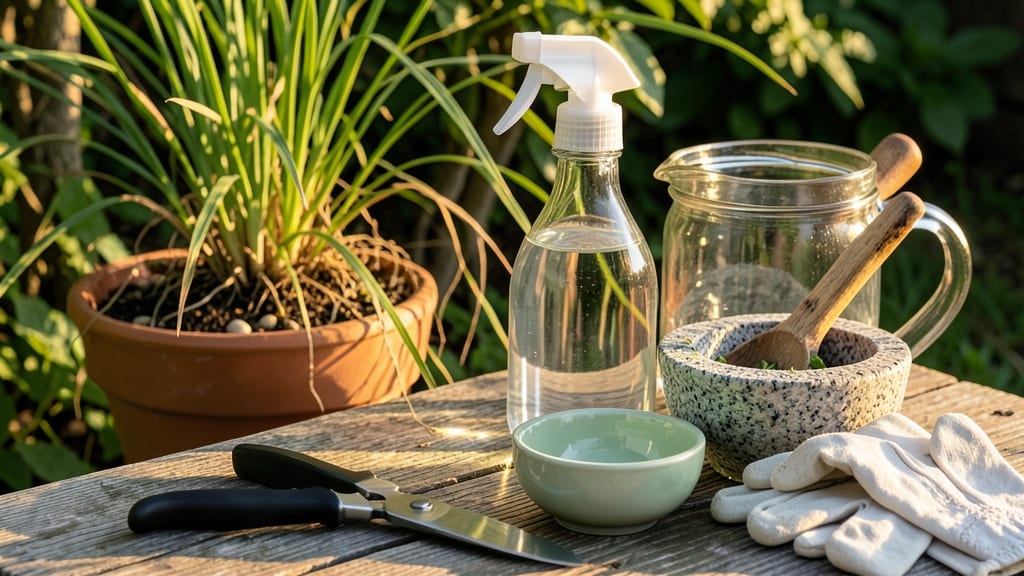
That first whiff of crushed how to make citronella spray from the plant sends mosquitoes packing. 🌿 I’ve made this spray for years—it’s stronger than store-bought repellents and costs pennies to produce.
The key is using fresh or dried Cymbopogon stems, whether you grow your own or forage wild plants (just confirm the ID first). Start with 1 cup chopped leaves and stems—fresh or dried works, but fresh packs more punch.
Steep them in 2 cups vodka or rubbing alcohol (the alcohol preserves oils longer) for at least 24 hours, then strain. For a water-based version, simmer the herbs in water for 30 minutes instead. The result? A potent spray that doubles as a room freshener.
You’ll end up with 8–12 ounces of spray—enough to fill a spray bottle and keep your patio buzz-free for weeks. Store it in a dark glass bottle (light degrades the oils) and shake before each use. Just don’t spray near pets or open wounds—citronella oil can irritate sensitive skin.
Pair it with basil, lemongrass, or lavender in your garden for extra protection. The combo confuses pests and makes your outdoor space smell like a tropical escape. Here’s how to do it right—no fancy equipment needed.
📚 In This Guide
- What you need
- Instructions
- Tips and common mistakes
- Wrapping up and next steps
What you need
- ● Fresh citronella plant leaves: 1 cup (packed) – Use organic leaves for the purest scent.
- ● Distilled water: 2 cups – Ensures clarity and prevents bacterial growth.
- ● Rubbing alcohol (70% isopropyl): 1 tablespoon – Acts as a natural preservative.
- ● Spray bottle: 8 oz (240 mL) – Choose a dark glass bottle to protect from light.
- ● Sharp scissors or knife – For harvesting leaves cleanly.
- ● Blender or mortar and pestle – To crush leaves for maximum oil extraction.
- ● Fine mesh strainer or cheesecloth – To filter out plant debris.
- ○ Optional add-ins (for enhanced potency or scent): 10 drops of essential oils (e.g., lemongrass, eucalyptus, or peppermint).
- ● 1 teaspoon of vegetable glycerin (for better spray adhesion).
Step-by-step instructions for making citronella spray from plant
Here's how to turn fresh citronella into a potent, natural pest repellent in under 10 minutes.
🌿 Step 1: Harvest and Prepare Citronella Leaves
Pick fresh citronella leaves from your plant—you'll need about 1 cup of leaves for a standard spray bottle. The more aromatic the leaves, the stronger your repellent will be. I always choose the largest, healthiest leaves from the lower stems since they contain the highest concentration of natural oils.
Rinse the leaves under cool water to remove any dirt or pests hiding on the undersides. Pat them dry gently with a clean towel or paper towels. Wet leaves will dilute your spray's potency, so make sure they're completely dry before proceeding. Place the leaves in a clean bowl or cutting board.
💧 Step 2: Chop and Steep the Leaves
Use a sharp knife to finely chop the leaves—smaller pieces release more oils into the liquid. I like to cut them into ¼-inch pieces for even infusion. Place the chopped leaves into a quart-sized mason jar or any airtight container.
Pour 2 cups of vodka or rubbing alcohol (70% or higher) over the leaves. The alcohol acts as both a solvent and a preservative, helping extract the citronella oils and keeping your spray effective for weeks. Seal the jar tightly and let it sit in a dark place for at least 24 hours, shaking gently every few hours to maximize oil extraction.
☀️ Step 3: Strain and Combine With Water
After 24 hours, strain the liquid through a fine-mesh sieve or cheesecloth into a clean bowl. Discard the used leaves—they've given up all their pest-repelling magic! The strained liquid should be a vibrant green color, indicating strong citronella infusion.
Mix the strained liquid with 2 cups of distilled water in a clean spray bottle. The water dilutes the alcohol while maintaining the repellent's effectiveness. Shake the bottle gently before each use to redistribute any settled oils. Store the spray in a cool, dark place for up to 3 months.
⏰ Step 4: Test and Apply Your Citronella Spray
Before spraying around your home or garden, test a small amount on an inconspicuous plant or surface to ensure it doesn't cause discoloration or damage. Citronella spray is generally safe for most plants, but some sensitive varieties may react poorly to the alcohol.
Apply the spray generously to outdoor seating areas, patio furniture, or garden pathways. For best results, reapply every 2-3 days or after rain. The scent will repel mosquitoes, flies, and other pests naturally—no harsh chemicals required. I always keep a bottle on my porch during summer evenings, and my outdoor space stays pest-free!
Tips & tricks for perfect citronella spray
A few quick tricks that'll make your homemade citronella spray even more effective and convenient.
Leaf Selection: Don't just grab any leaves! Focus on the largest, darkest green leaves from the lower stems—they contain the highest concentration of natural citronella oils. Avoid yellowing or wilted leaves, as they'll produce a weaker spray. I've found that using only the freshest leaves makes a noticeable difference in repelling power.
Chopping Technique: Cutting the leaves into ¼-inch pieces is key for maximum oil extraction. Use a sharp knife to avoid crushing the leaves, which can make the final spray bitter. For even finer infusion, you can pulse the leaves in a food processor for 5 seconds before transferring to the jar.
Alcohol Choice: While vodka or rubbing alcohol both work, vodka (80-proof or higher) tends to produce a clearer final spray with less residual alcohol smell. If you're using rubbing alcohol, opt for 70% or higher concentration to ensure proper preservation. Remember, the alcohol acts as both a solvent and preservative—don't skip this step!
Storage Wisdom: Store your finished spray in a cool, dark place like a pantry or cabinet. The amber glass spray bottles help protect from light degradation, but any dark bottle will work. For best results, use within 3 months, though I've found it remains effective for up to 6 months if stored properly.
Pro Tips for Make Citronella Spray From Plant
- A few quick tricks that'll make your homemade citronella spray even more effective and convenient.
- Leaf Selection: Don't just grab any leaves!
- Chopping Technique: Cutting the leaves into ¼-inch pieces is key for maximum oil extraction.
Frequently asked questions
Got questions about your DIY citronella spray?
You’re not alone! Here are answers to the most common ones—so you can confidently whip up your pest-repelling elixir like a pro.
Can I use fresh or dried citronella leaves?
Both work, but fresh leaves pack a stronger scent and active compounds. If using dried, steep them in hot water for 10–15 minutes to release more oils. For best results, combine fresh and dried for a balanced potency.
How long does homemade citronella spray last?
Store your spray in a dark glass bottle in the fridge, and it’ll stay effective for 1–2 weeks. For longer shelf life (up to 3 months), add 1 tsp of vodka or rubbing alcohol as a preservative. Shake before use!
Will this spray harm bees or butterflies?
Citronella is generally bee-safe when used outdoors, but avoid spraying directly on blooming plants to protect pollinators. For extra caution, apply in the evening when bees are less active. Opt for neem oil blends if you’re extra eco-conscious!
Can I make citronella spray stronger?
Yes! Boost potency by:
- Adding 5–10 drops of essential oils (like lemongrass or eucalyptus) to the mix.
- Using more citronella stems (up to 1 cup per quart of water).
- Simmering the leaves for 20 minutes instead of steeping.
What if my spray smells weak or loses effectiveness?
Weak scent? Your spray may have diluted over time. Recharge it by adding:
- A few fresh citronella leaves or drops of essential oil.
- A splash of apple cider vinegar (1 tbsp) to sharpen the aroma.
Wrapping up and next steps
You’ve now unlocked the secret to a natural, budget-friendly, and effective citronella spray—no harsh chemicals required! 🌿 With just a few simple steps, you can harness the power of citronella plants to keep pests at bay while enjoying a fresh, homemade solution.
Whether you’re prepping for summer gatherings or tackling backyard bugs, this DIY project is your go-to for a clean, green alternative.
Ready to take it further? Experiment with scents by blending citronella with other pest-repelling herbs like lavender or eucalyptus. Or, share your creations with fellow plant lovers—your green thumb (and spray) might just become the talk of the garden! 🌱✨