
Blooming
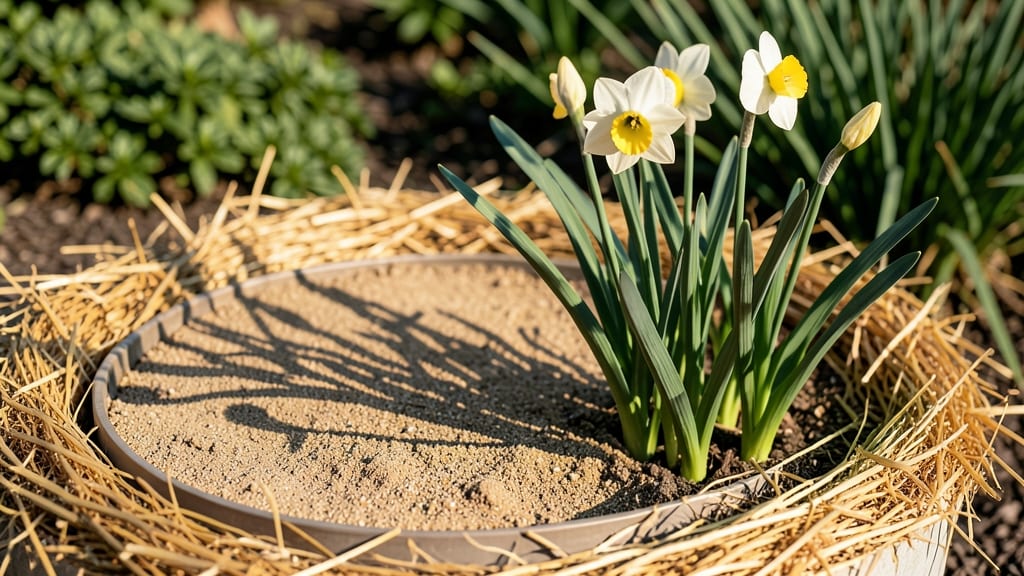
Want to turn your garden into a golden explosion of cheerful daffodils 🌼 that bloom reliably year after year? You don't need a green thumb or perfect conditions—just the right timing and care. These hardy perennials thrive when you understand their natural rhythms, from planting depth to sunlight needs.
The secret to consistent blooms starts with fall prep, when you plant bulbs 6-8 inches deep in well-draining soil. But here's the game-changer: most gardeners miss the fine-tuning that keeps daffodils coming back stronger each season.
I'll show you exactly how to feed, water, and protect them so they reward you with nonstop color.
Whether you're dealing with stubborn non-bloomers or dreaming of indoor winter blooms, this guide covers all the tricks. From forcing techniques to choosing reblooming varieties, you'll learn how to break the one-season rule and enjoy daffodils whenever you want.
Let's get your garden glowing with sunshine all year—no waiting for spring required!
The science behind daffodil blooming: light, temperature, and soil secrets
Daffodils (Narcissus) are fascinating plants because they follow a strict blooming schedule tied to light cycles and temperature changes. Unlike many flowers, they need a period of cold dormancy—called vernalization—to trigger blooming.
This is why they typically bloom in spring after winter's chill. But with the right adjustments, you can break these natural cycles to encourage blooms almost anytime.
One key factor is day length. Daffodils respond to shortening daylight hours in fall, which signals them to prepare for blooming. However, if you want extended blooming seasons, you can manipulate this by controlling their light exposure.
For example, placing them in a shadier spot in summer can trick them into thinking it's fall, prompting earlier blooms.
Soil conditions also play a critical role. Daffodils thrive in well-draining soil with a slightly acidic to neutral pH (6.0-7.0). Poor drainage or overly rich soil can lead to fewer blooms because the plant focuses energy on foliage instead. Adding compost or sand to heavy clay soil improves drainage and encourages stronger blooms.
Temperature matters too. Most daffodils need 6-8 weeks of cold temperatures (below 40°F) to set flower buds. If you live in a warm climate, you can simulate this by planting bulbs deeper (8-10 inches) or using cooling techniques like shade cloth in summer.
This ensures they get the chilling requirement needed to bloom reliably.
🌱
🌼 Daffodil Blooming Factors
| Factor | Ideal Condition | How to Adjust |
|---|---|---|
| Light | 6+ hours of sun | Use shade cloth in summer for extended blooms |
| Temperature | 6-8 weeks below 40°F | Plant deeper or use cooling methods in warm climates |
| Soil Drainage | Well-draining, slightly acidic | Add compost or sand to heavy soil |
| Watering | Deep soak weekly | Water in morning to prevent fungal issues |
| Fertilizer | Balanced 10-10-10 | Apply in early spring after leaves emerge |
Another trick is to force daffodils indoors by controlling their environment. This method is perfect if you want Christmas or Valentine’s Day blooms. The process involves planting bulbs in containers, chilling them, and then gradually exposing them to warmth and light.
This mimics the natural spring awakening and can produce stunning indoor blooms.
For outdoor blooms outside peak season, focus on reblooming varieties like 'Ice Follies' or 'Tête-à-Tête'. These daffodils are bred to produce a second flush of blooms later in the year if given proper care.
After the first blooms fade, remove spent flowers (deadhead) but leave the leaves to photosynthesize and feed the bulb for the next round of blooms.
If your daffodils aren’t blooming at all, check for overcrowding or poor dormancy conditions. Daffodils need space—plant bulbs 6 inches apart and ensure they get enough sunlight. Also, avoid fertilizing in fall or winter, as this can disrupt their natural dormancy cycle.
🌿
Finally, mulching plays a subtle but important role. A layer of organic mulch (2-3 inches) helps regulate soil temperature and retains moisture, which encourages stronger root growth. However, avoid piling mulch directly against the bulb to prevent rot. Instead, keep it 2-3 inches away from the stem.
By understanding and adjusting these key factors—light, temperature, soil, and care—you can coax your daffodils into blooming almost anytime. Whether you want a spring explosion of color or holiday cheer indoors, these techniques will help you achieve it!
Step-by-step guide to forcing daffodils for indoor or extended outdoor blooms
Forcing daffodils lets you enjoy their cheerful blooms indoors or push outdoor blooming seasons. Whether you want Christmas daffodils or summer flowers, this method tricks bulbs into thinking it's spring. The key lies in chilling, warmth, and light control—all while keeping your bulbs happy and healthy.
Start by selecting large, firm daffodil bulbs (size 12/14 cm or larger) from a reputable supplier. Smaller bulbs may not force well. Plant them in well-draining containers with sphagnum moss or potting mix—avoid heavy garden soil, which can cause rot.
The bulbs need 6-8 weeks of chilling to mimic winter dormancy.
🌱 Step-by-Step Forcing Guide
- Week 1-6: Chill bulbs in a cool, dark place (35-45°F). Store containers in a garage or fridge.
- Week 7: Move containers to a bright, warm spot (60-65°F). Place near a south-facing window or under grow lights.
- Week 8: Water lightly—keep soil moist but not soggy. Roots will sprout in 2-3 weeks.
- Week 10-12: Buds will form! Ensure 12+ hours of light daily to prevent leggy stems.
- Bloom Time: Flowers appear in 6-8 weeks total. Enjoy indoors for 3-5 days.
For extended outdoor blooms, plant forced bulbs in the garden after their indoor display. They’ll often rebloom in spring! Use reblooming varieties like 'Ice Follies' or 'Tête-à-Tête' for better results. After blooming, let foliage die back naturally—this recharges the bulb for next year’s flowers.
Troubleshooting is key: Yellowing leaves? Reduce water. No buds? Extend chilling time. Leggy stems? Increase light. With patience, you’ll master the art of seasonal daffodil magic—turning your garden (or home!) into a year-round parade of sunshine.
Pro tip: Force a few bulbs every 6 weeks for a continuous bloom cycle from late fall to spring. Just remember—patience and precision are your best tools for forcing success! 🌼