
How To
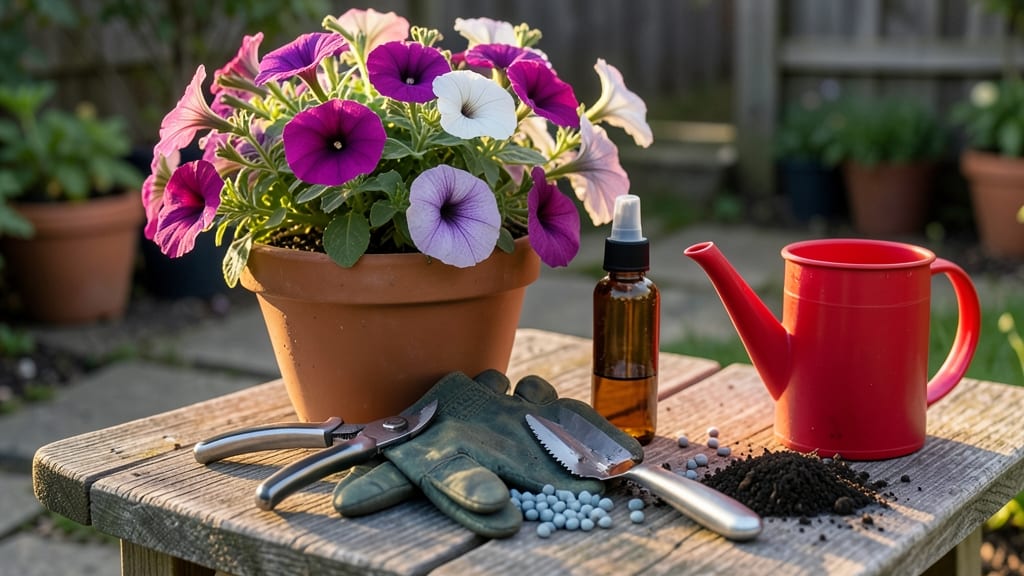
How to make petunias fuller—those leggy, sparse-blooming plants can transform into lush, bushy powerhouses with just three simple moves: pruning, feeding, and deadheading. 🌸 The key is timing: pinch back early growth, fertilize consistently, and remove spent blooms before they set seed. Most gardeners skip one of these steps, which is why their petunias never fill out. Start with proper light—petunias need 6+ hours of sun daily—then prune back leggy stems to just above a leaf node. Use balanced fertilizer every 2-3 weeks during bloom season, and deadhead daily to redirect energy into new growth. My grandiflora varieties now cascade with blooms instead of bare stems, and the secret is in the regular maintenance. By mid-summer, you'll see fuller foliage and 2-3 times more blooms than before. The plants stay compact, resist flopping, and keep flowering until frost. The only tools you need are clean pruners and a gentle hand—no harsh cuts or heavy feeding required. Works for all petunia types, from trailing to mounding varieties. Here's exactly how to do it without killing your plants in the process.
📚 In This Guide
- What you need
- Instructions
- Tips and common mistakes
- Wrapping up and next steps
What you need
- ● Petunias: Healthy, mature plants (preferably in full sun, 6+ hours/day).
- ● Pruning shears or sharp scissors: Clean, sterilized (70% isopropyl alcohol works). Avoid dull tools!
- ○ Garden gloves: Protects hands from thorns or dirt (optional but recommended).
- ● Balanced fertilizer (10-10-10 or 20-20-20): 1-2 tbsp per plant (follow label instructions).
- ○ Slow-release granular fertilizer (optional but helpful): 1-2 cups per plant (e.g., Osmocote or similar).
- ● Watering can or hose with a gentle nozzle: Avoid blasting flowers.
- ● Compost or well-aged manure: 1-2 cups per plant (for soil enrichment).
- ○ Mulch (optional but beneficial): Straw, pine bark, or shredded leaves (1-2 inches thick).
- ● Plant growth regulator (e.g., B-Nine): Reduces legginess (follow package directions).
- ● Epsom salt (magnesium sulfate): 1 tbsp dissolved in 1 gallon of water (boosts blooms).
- ● Copper fungicide: Prevents powdery mildew if humidity is high.
- ● Plant stakes or cages: Supports leggy stems (if pruning heavily).
- ● pH test kit: Ensures soil pH is 6.0-7.0 (petunias thrive in slightly acidic to neutral soil).
Step-by-step guide to pruning, feeding, and deadheading petunias
Here’s how to transform leggy petunias into lush, bushy powerhouses with just three key moves.
✂️ Step 1: Prune for Bushier Growth
Start by pinching back the tips of new growth when your petunias have 4-6 sets of true leaves—this forces them to branch out instead of growing tall and sparse. Use clean, sharp scissors or your fingers to snip just above a leaf node where new buds form. I like to do this in the morning so plants recover during the day.
If your petunias are already leggy, cut back one-third of the plant’s height to encourage fresh, compact growth. Don’t worry—petunias bounce back fast. Just avoid pruning in extreme heat or cold, as this stresses the plant. You’ll see new shoots emerging within 7-10 days.
💧 Step 2: Feed for Stronger Blooms
Petunias are hungry bloomers, so feed them every 2-3 weeks with a balanced, water-soluble fertilizer (like 10-10-10 or 20-20-20). Mix the fertilizer at half-strength to avoid burning roots. I like to fertilize in the early morning when the soil is cool and the sun isn’t intense.
For extra bushiness, switch to a low-nitrogen, high-phosphorus fertilizer (like 5-10-5) once blooms appear. This boosts flower production instead of leafy growth. Water the soil first to help the fertilizer spread evenly—petunias hate dry roots during feeding time.
✂️ Step 3: Deadhead Regularly for Nonstop Blooms
Deadheading is the secret to keeping petunias blooming all season. As soon as a flower fades, pinch or snip off the spent bloom just above the next set of leaves or buds. This prevents seed formation and redirects energy into new flowers. I deadhead every 2-3 days during peak bloom—it’s a quick habit that pays off big.
For trailing petunias, focus on the outermost blooms first. This encourages fuller growth at the tips. If you miss a few, don’t stress—just catch up the next time. You’ll notice new buds forming within 5-7 days of consistent deadheading. The key is consistency; even one missed bloom can lead to legginess.
☀️ Step 4: Adjust Light and Water for Fullness
Petunias thrive in full sun (6+ hours daily), but too much heat without water can stress them. If your plants look wilted by afternoon, provide light afternoon shade during hot spells. Mulch around the base with 2-3 inches of organic mulch to retain moisture and keep roots cool.
Water deeply once a week (or more in extreme heat) until the soil is 6 inches deep and moist. Let the top inch dry between waterings—this prevents root rot while keeping petunias hydrated. You’ll see fuller growth when the soil stays consistently moist but not soggy.
Tips & tricks for bushier petunias
Here's what nobody tells you about turning those straggly petunias into vibrant, full-blooming bushes.
Timing is Everything: When pruning leggy petunias, focus on cutting back one-third of the plant's height at the base rather than just the tips. This dramatic trim might look harsh, but it triggers new growth from lower nodes. I learned this the hard way after snipping too lightly—my plants just kept stretching upward. The key is to make clean cuts just above leaf nodes where new buds will form. You'll notice fresh shoots appearing within 7-10 days if you time it right.
Fertilizer Strategy: The switch to low-nitrogen, high-phosphorus fertilizer after blooms appear is crucial—it redirects energy from leafy growth to flower production. I've found that applying this fertilizer in the early morning prevents leaf burn from the sun's intensity later in the day. Always water the soil first to help distribute the fertilizer evenly through the root zone. This simple step prevents fertilizer buildup that can harm your plants.
Deadheading Discipline: The 2-3 day deadheading schedule might seem frequent, but it's what keeps petunias blooming continuously. I've trained myself to do this while checking my garden each morning—it takes just a few minutes per plant. For trailing varieties, focus on the outermost blooms first to encourage fuller growth at the tips. Missing just one bloom can disrupt the plant's energy flow, leading to legginess down the line.
Light and Water Balance: Petunias need 6+ hours of sun daily, but too much midday heat without proper watering can stress them. I've found that providing light afternoon shade during heatwaves prevents wilting while still giving them plenty of sunlight. The 2-3 inch mulch layer around the base works wonders—it keeps roots cool and retains moisture, which is especially helpful in hot climates. This simple layering can make all the difference between thriving and struggling petunias.
Pro Tips for Make Petunias Fuller
- Here's what nobody tells you about turning those straggly petunias into vibrant, full-blooming bushes.
- Timing is Everything: When pruning leggy petunias, focus on cutting back one-third of the plant's height at the base rather than just the tips.
- Fertilizer Strategy: The switch to low-nitrogen, high-phosphorus fertilizer after blooms appear is crucial—it redirects energy from leafy growth to flower production.
Frequently asked questions
about growing fuller petunias—because even the pros need a little extra help sometimes!Why are my petunias still sparse even after pruning?
If your petunias aren’t filling out, check for over-pruning (cutting too much at once) or underfeeding. Petunias thrive on regular deadheading and a balanced fertilizer (like 10-10-10) every 2–3 weeks. Also, ensure they get 6+ hours of sunlight daily—shady spots slow growth.
How often should I fertilize petunias for bushier blooms?
Feed petunias every 2–3 weeks during the growing season (spring to fall) with a water-soluble, high-phosphorus fertilizer (e.g., 5-10-5 or 10-20-10). Reduce feeding in late summer to encourage blooming over leafy growth. Pro tip: Use a slow-release granular fertilizer for convenience!
Can I make petunias fuller without deadheading?
Deadheading (removing spent blooms) is key for bushier petunias—it redirects energy to new flowers instead of seed production. However, if you skip it, your plants may still grow but with fewer, smaller blooms. For lazy gardeners, try self-cleaning petunia varieties (like ‘Wave’ or ‘Supertunia’), which shed spent blooms on their own!
What’s the best time to prune petunias for maximum fullness?
Prune petunias early in the morning on a cloudy day to reduce stress. Trim back leggy stems by ⅓ to ½ in spring (after the last frost) and again in early summer to encourage branching. Avoid heavy pruning in late summer, as it may cut back blooming time.
Are pests or diseases causing my petunias to stay thin?
Yes! Aphids, spider mites, or fungal issues (like powdery mildew) can stress plants, leading to sparse growth. Inspect leaves for sticky residue, yellowing, or white spots. Treat pests with neem oil or insecticidal soap, and improve airflow by spacing plants 12–18 inches apart. Healthy soil and mulch also prevent disease.
Wrapping up and next steps
With the right care, your petunias can transform into lush, vibrant bushes bursting with blooms! 🌸 Remember, it’s all about pruning for shape, feeding for growth, and deadheading for longevity. Start small—pick one technique this season and watch the difference in just a few weeks.
Now that you’re armed with tips, grab your shears and get growing! Try experimenting with a few petunia varieties to see which thrives best in your space. Happy gardening—your blooms will thank you! 🌿