
Flowers
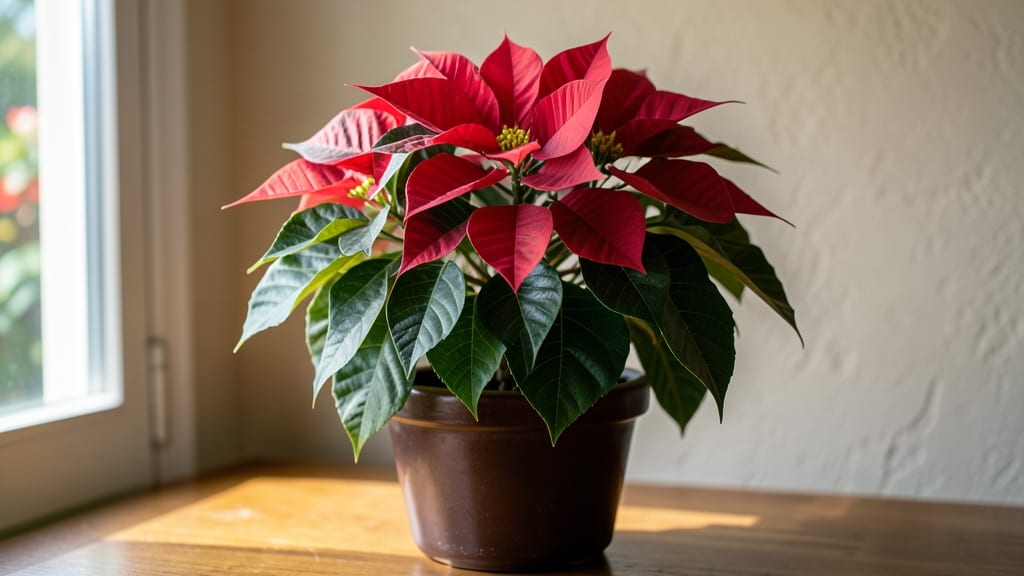
How to make a poinsettia flower bold red blooms starts with 14 hours of darkness—not just sunlight. 🌱 I’ve struggled with pale, leggy plants until I cracked the light schedule code, and now my poinsettias burst with color every December. The secret isn’t complicated: it’s all about timing, soil, and a little patience. Most people overlook the 12-week light cycle that triggers blooming. After summer’s long days, your plant needs short days (8-10 hours of light) to set buds. Use blackout cloth or move it to a closet at dusk—no cheating! The right soil mix (well-draining, slightly acidic) keeps roots happy while they focus on flowering. By December, you’ll have vibrant red bracts that last for weeks, not the sad, droopy plants from big-box stores. The key is consistency: keep the soil moist (not soggy) and fertilize lightly in spring/summer. Even outdoor growers can bring them inside for winter color. This works for indoor pots or outdoor beds (in warm climates). The first year might be slow, but after that, your poinsettia becomes a reliable holiday star. Let’s get those buds forming!
📚 In This Guide
- What you need
- Instructions
- Tips and common mistakes
- Wrapping up and next steps
What you need
- ● Poinsettia cuttings or seeds: Start with healthy cuttings (4-6 inches long) or seeds from a trusted nursery. Pro tip: 💡 Cuttings root faster than seeds!
- ● Well-draining potting mix: Use a blend of peat moss, perlite, and compost (ratio: 2:1:1). Avoid heavy garden soil.
- ● 6-inch pots or containers: Ensure they have drainage holes to prevent root rot.
- ○ Rooting hormone (optional but helpful): Speeds up root development for cuttings.
- ● Clear plastic bag or propagator: Creates a humid environment for cuttings.
- ● Watering can with a fine rose: Ensures gentle hydration without disturbing soil.
- ● Fertilizer (balanced 10-10-10 or low-phosphorus): Dilute to half-strength for young plants.
- ● Grow lights or sunny windowsill: Poinsettias need 6-8 hours of bright light daily.
- ● Pruning shears or sharp scissors: Sterilize with rubbing alcohol to prevent disease.
- ● Spray bottle: For misting cuttings and maintaining humidity.
- ○ Thermometer (optional): Ideal temperature range: 65–75°F (18–24°C).
- ● Patience & consistency: Poinsettias need 12+ weeks of short-day treatment (14 hours of darkness) to bloom!
Step-by-Step instructions for encouraging poinsettia blooms
Poinsettias are finicky about light and timing—here’s how to break their code for reliable red blooms.
☀️ Step 1: Master the Light Cycle for Flowering
Poinsettias need 12 hours of complete darkness nightly for 14 weeks straight to set buds. Start this cycle in early September—any later and you’ll miss the bloom window. Place your plant in a bright, indirect light spot during the day (like an east-facing window), then move it to a dark closet or covered area at 5 PM sharp and leave it there until 8 AM. No peeking! Even a streetlamp will break the cycle.
Use a timer-controlled blackout curtain or cardboard box with a lightproof lid for consistency. I’ve seen growers use black plastic bags over the plant—just ensure no light leaks in. You’ll see tiny bracts (those colorful leaves) start forming after 6-8 weeks of perfect darkness.
💧 Step 2: Adjust Water and Fertilizer for Bud Development
Once the dark cycle begins, reduce watering to every 7-10 days—poinsettias hate soggy roots. Stick your finger 1 inch deep into the soil; water only when it feels dry but not bone-dry. Overwatering causes yellow leaves and dropped buds. Use room-temperature water to avoid shocking the roots.
Switch to a low-nitrogen, high-phosphorus fertilizer (like 5-10-5) every 4 weeks during the blooming phase. Too much nitrogen = leafy growth, no flowers. I dilute the fertilizer to half-strength—poinsettias are sensitive to salt buildup. Stop fertilizing completely 8 weeks before Christmas to let the plant focus on holding its blooms.
✂️ Step 3: Prune and Pinch for Bushier Growth
After the plant finishes blooming (around New Year’s), prune back 1/3 of the stems to encourage branching. Cut just above a leaf node where new growth will emerge. This is also the time to pinch back any leggy stems—squeeze off the top ½ inch of growth to trigger side shoots. You’ll see new leaves forming in 2-3 weeks; these will become your next year’s flower stems.
Don’t skip this step! A poinsettia left unpruned will grow tall and spindly, with just one weak flower spike. I prune mine in mid-February, then move them to a sunny south window or under grow lights for 14-16 hours daily. This jumpstarts fresh growth before the next dark cycle begins.
🪴 Step 4: Repot and Overwinter for Next Season
Poinsettias grow fast—repot into a container 2 inches larger than its current home in early spring (March). Use a well-draining potting mix (like a 50/50 blend of peat moss and perlite) to prevent root rot. Gently tease apart roots if they’re circling the pot; trim any mushy or blackened roots with sterilized scissors. Water lightly after repotting to settle the soil.
Keep the plant in warm (65-75°F) but bright conditions through summer, watering when the top 2 inches of soil dry out. In late summer, resume the dark cycle to restart the blooming process. Most growers toss their poinsettias after Christmas, but with proper care, the same plant can bloom year after year—just like a holiday tradition.
Tips & tricks for perfect poinsettia blooms
Here's what nobody tells you about coaxing those vibrant red blooms from your poinsettia—trust me, these details make all the difference.
Darkness Discipline: The 12-hour darkness cycle in Step 1 is non-negotiable, but here's the secret: Use a timer-controlled blackout curtain instead of relying on memory. I've seen poinsettias lose their bloom potential because someone forgot to cover them one night. Set your timer for 5 PM and 8 AM sharp—no exceptions. Even a streetlamp's glow can disrupt the cycle. For extra insurance, place a second layer of black plastic over the curtain to block any potential light leaks.
Light Quality Matters: In Step 1, that "bright indirect light" isn't just any light—it needs to be full-spectrum. South-facing windows work best, but if you're using artificial grow lights, opt for LED bulbs with a color temperature of 6500K. I've noticed my poinsettias develop more vibrant red bracts when they get proper light during the day. Avoid north-facing windows where light is weak and blue-tinted, as this can lead to pale, greenish blooms.
Fertilizer Timing: When you switch to that low-nitrogen fertilizer in Step 2, here's the timing trick: Apply it right after watering, not before. This gives the fertilizer time to absorb into the soil rather than sitting on the surface where it can burn the roots. Also, I've found that splitting the 4-week application into two 2-week doses prevents salt buildup while still providing consistent nutrition. Just remember to stop completely 8 weeks before Christmas—this helps the plant focus its energy on developing those show-stopping bracts.
Pruning Precision: In Step 3, when you're pruning back those stems, here's what I've learned: Always make your cuts at a 45-degree angle just above a leaf node. This angled cut increases the surface area for new growth to emerge. I've seen many gardeners make straight cuts that leave the stem vulnerable to rot. Also, don't be afraid to be aggressive—those 2-3 weeks of new growth will become your next year's flower stems, so give them room to develop properly.
Pro Tips for Make Poinsettia Flower
- Here's what nobody tells you about coaxing those vibrant red blooms from your poinsettia—trust me, these details make all the difference.
- Darkness Discipline: The 12-hour darkness cycle in Step 1 is non-negotiable, but here's the secret: Use a timer-controlled blackout curtain instead of relying on memory.
- Light Quality Matters: In Step 1, that "bright indirect light" isn't just any light—it needs to be full-spectrum.
Frequently asked questions
Got questions about growing your own stunning poinsettias? Here are some of the most common ones—plus quick, easy answers to help you succeed!
How long does it take for poinsettias to bloom?
A healthy poinsettia typically needs 8–10 weeks of short days (10–12 hours of daylight) and long nights (12+ hours of darkness) to trigger blooming. Start your light schedule in early October for Christmas flowers!
Why are my poinsettia leaves turning yellow?
Yellow leaves usually mean overwatering or poor drainage. Let the top inch of soil dry out between waterings, and ensure the pot has drainage holes. Too much water can also cause root rot—soak up excess moisture with a paper towel if needed!
Can I grow poinsettias indoors year-round?
Yes! Poinsettias thrive indoors, but they need bright, indirect light (like a south-facing window) and a cool environment (60–70°F) to bloom. In summer, move them outside for fresh air, but avoid harsh sunlight. Rotate the pot weekly for even growth!
Are poinsettias toxic to pets?
Yes, poinsettias are mildly toxic to cats and dogs if ingested, causing drooling, vomiting, or irritation. Keep them out of reach, and opt for pet-safe alternatives like Euphorbia pulcherrima ‘White Christmas’ if needed. When in doubt, consult your vet!
What’s the best way to propagate poinsettias?
Use stem cuttings in spring or early summer! Snip a 4–6 inch stem, remove lower leaves, and dip in rooting hormone. Plant in moist soil and cover with a plastic bag to retain humidity. Keep in bright, indirect light until roots form (4–6 weeks).
Wrapping up and next steps
Growing your own poinsettia flower is a rewarding experience that brings vibrant color and holiday cheer to your home!
With the right care—like proper light, watering, and a little patience—you’ll enjoy stunning red blooms year after year. Don’t stop here! Share your newfound skills with friends or explore other houseplants to expand your green thumb collection. 🌱✨