
How To
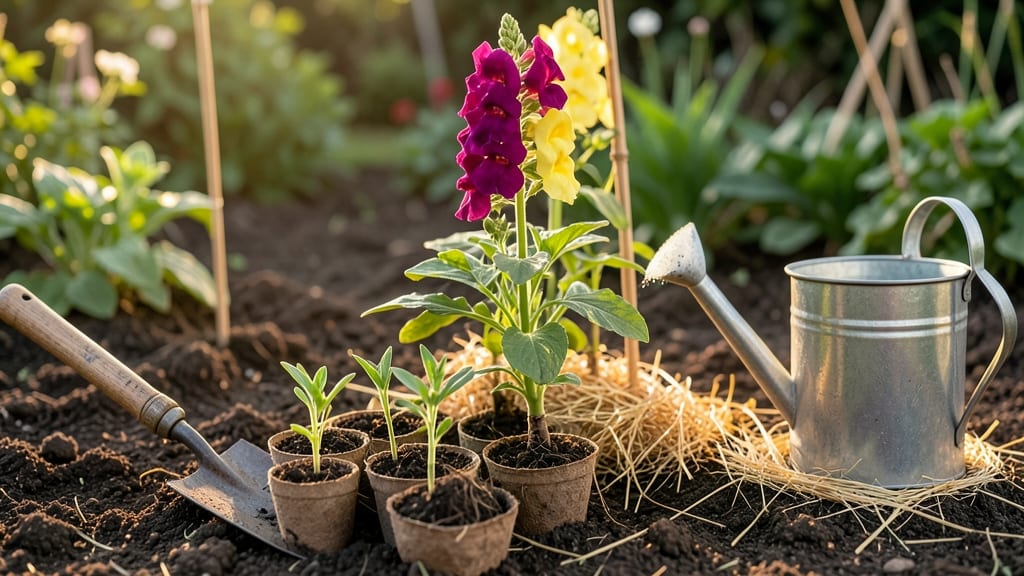
How to grow tall snapdragons reaching for the sky—this is the garden moment you’ve been waiting for. 🌟 I’ve grown these dramatic plants for years, and the secret to their towering grace isn’t magic, just the right balance of sunlight, soil, and a little strategic care. What starts as a modest seedling can become a 3-foot-tall floral masterpiece with just a few key adjustments.
The trick is giving them full sun (at least 6 hours daily), well-draining soil, and proper spacing (12–18 inches apart) to prevent competition. Stake them early—even before they get too tall—and watch them bloom in bold vertical waves.
Prune spent flowers to encourage more blooms, and keep the soil consistently moist but not soggy. With these steps, you’ll have snapdragons that steal the show in borders, containers, or cut-flower arrangements.
📚 In This Guide
- What you need
- Instructions
- Tips and common mistakes
- Wrapping up and next steps
What you need
- ● Snapdragon seeds: Choose tall varieties like 'Black Knight' or 'Rocket' (1–2 seed packets for a full bed).
- ● Well-draining potting mix: 5–10 gallons (or enough to fill your containers). Look for a blend labeled for annuals or vegetables.
- ● Containers or garden bed: Containers: 5–6" deep pots (3–5 plants per pot) with drainage holes.
- ● Garden bed: Full sun (6+ hours daily) and loose, fertile soil.
- ● Watering can or hose: With a gentle spray nozzle for seedlings.
- ○ Plant labels: To track varieties (optional but helpful!).
- ● Seed-starting tray: With clear lids or plastic wrap for humidity.
- ● Grow lights or sunny windowsill: If starting indoors (12–16 hours of light/day).
- ● Fertilizer: Balanced (10-10-10) or slow-release granules for potting mix.
- ● Pruning shears: For deadheading spent blooms and shaping plants.
- ● Mulch: Straw or shredded leaves to retain moisture and suppress weeds.
- ● Patience! Snapdragons take 8–12 weeks from seed to bloom.
- ● Consistent care: Water when the top inch of soil is dry (avoid soggy roots!).
- ● Cool weather love: Ideal temps are 60–70°F (they bolt in heat!).
Step-by-Step instructions for growing towering snapdragon plants
Here's how I grow snapdragons that reach 4-5 feet—the secret lies in light, spacing, and a little patience.
🌱 Step 1: Start Seeds Indoors for Early Height Advantage
Snapdragons grow best when started indoors 8-10 weeks before your last frost date. Fill seed trays with sterile seed-starting mix and press it down gently to remove air pockets. Plant seeds ¼ inch deep, spacing them ½ inch apart—they germinate best in cool conditions, so place the tray in a 65-70°F environment.
Keep the soil consistently moist but never soggy. You'll see germination in 10-14 days when the first true leaves appear. This is your cue to move seedlings under grow lights for 14-16 hours daily. Without enough light, stems stretch and weaken, which will stunt their final height.
☀️ Step 2: Harden Off and Transplant in Full Sun
Two weeks before transplanting, start hardening off seedlings by placing them outside in partial shade for 1-2 hours daily. Gradually increase exposure over 7-10 days until they can handle 6+ hours of direct sun. Snapdragons thrive in full sun, but their stems need time to strengthen before full exposure.
Choose a site with well-draining soil and space plants 12-18 inches apart. Dig holes slightly deeper than the root ball to encourage strong root establishment. Water deeply after planting to settle the soil around roots—this prevents air pockets that could cause wilting.
💧 Step 3: Water Deeply and Fertilize for Height Growth
Water snapdragons at the base of the plant rather than overhead to prevent fungal diseases. Aim for 1 inch of water per week, adjusting for rain. Let the top 1-2 inches of soil dry out between waterings—overwatering causes stems to weaken and snap under their own weight.
Feed plants every 3-4 weeks with a balanced, water-soluble fertilizer (10-10-10 ratio). You'll notice taller growth and more robust stems within weeks. Avoid high-nitrogen fertilizers—they promote leafy growth at the expense of height.
✂️ Step 4: Deadhead and Support for Maximum Height
Pinch back the tips of young plants when they reach 6 inches tall to encourage branching. This creates a bushier base that supports the plant's eventual height. Once flowers appear, deadhead spent blooms by snipping stems just above the next set of leaves—this redirects energy to new growth.
Install stakes or cages when plants reach 2 feet tall. Tie stems loosely to supports with soft twine to prevent damage. Snapdragons grow upright naturally, but their height makes them prone to wind damage. You'll see the tallest stems when plants are properly supported and deadheaded consistently.
⏰ Step 5: Extend the Blooming Season for Continuous Height
Snapdragons bloom best in cool weather. In warm climates, provide afternoon shade during summer to prevent bolting. You'll notice taller, more vibrant blooms when daytime temperatures stay below 75°F. Water consistently to maintain soil moisture—even slight stress causes stems to weaken.
For a second flush of blooms, cut back plants by ⅓ after the first frost. New growth will emerge in spring, often reaching the same height as the previous season. This two-season growth habit is why snapdragons become a garden staple.
Tips & tricks for perfect snapdragon growth
Here's what nobody tells you about growing snapdragons that reach their full 4-5 foot potential.
Lighting is Everything: Those 14-16 hours of grow light in Step 1 aren't optional—they're non-negotiable for preventing leggy seedlings. I use LED grow lights just 6 inches above the trays to maximize intensity without overheating. If your seedlings stretch toward the light, they're already compromised—this is your warning sign to increase light exposure immediately.
Temperature Matters: The 65-70°F range for germination in Step 1 is critical—too hot and seeds rot, too cold and they won't sprout. I place my seed trays on a heating mat set to 70°F and cover them with plastic wrap to maintain humidity. This creates the perfect microclimate for consistent germination within that 10-14 day window.
Transplanting Technique: When hardening off in Step 2, I start with just 1-2 hours in partial shade and gradually move plants to morning sun first. This gradual transition prevents sunburn on tender leaves. The key is watching for wilting—if leaves curl, they're getting too much sun too soon. Also, water thoroughly before transplanting to reduce shock from root disturbance.
Support System: Don't wait until plants reach 2 feet to install stakes in Step 4—set them at 18 inches when you transplant. This gives stems something to grab onto immediately and prevents them from flopping over as they grow. I use bamboo stakes because they're sturdy yet flexible enough to accommodate growth without breaking stems.
Pro Tips for Grow Tall Snapdragons
- Here's what nobody tells you about growing snapdragons that reach their full 4-5 foot potential.
- Lighting is Everything: Those 14-16 hours of grow light in Step 1 aren't optional—they're non-negotiable for preventi...
- Temperature Matters: The 65-70°F range for germination in Step 1 is critical—too hot and seeds rot, too cold and they...
Frequently asked questions
Got questions about growing tall, show-stopping snapdragons? You’re not alone! Here are answers to the most common queries—so you can cultivate those towering blooms with confidence.
How tall can snapdragons actually grow?
Tall snapdragon varieties like ‘Black Knight’ or ‘Rocket’ can reach 3–5 feet tall with proper care! Dwarf types (1–2 feet) are also available. Height depends on sunlight, soil, and support—think of them as nature’s skyscrapers!
When is the best time to plant snapdragons for maximum height?
Start seeds 6–8 weeks before your last frost indoors for early blooms. Transplant seedlings outdoors after soil warms to 45°F (7°C)—spring or late summer works for fall-blooming varieties. Patience pays off for those dramatic heights!
Why aren’t my snapdragons growing tall? Troubleshooting tips?
Check these fixes:
- Light: Need 6+ hours of sun daily—shady spots stunt growth.
- Soil: Poor drainage or compacted soil? Amend with compost!
- Water: Overwatering causes leggy stems. Let soil dry slightly between waterings.
- Support: Tall varieties may need stakes or cages to stay upright.
Can I grow snapdragons in containers? What’s the trick?
Use deep pots (12+ inches) with well-draining soil and fertilize regularly. Dwarf varieties work best in containers, but tall types need sturdy supports. Just ensure pots get full sun and water consistently.
Are snapdragons prone to pests? How do I protect them?
Watch for aphids, spider mites, or slugs. Use neem oil or insecticidal soap for soft-bodied pests, and handpick slugs at night. Healthy plants (with balanced fertilizer) resist pests better—so keep them thriving!
Can I grow snapdragons from cuttings or just seeds?
Snapdragons are best grown from seeds—they rarely root from cuttings. Save seeds from spent blooms for next year (let seed pods dry on the plant first). Pro tip: Deadhead faded flowers to encourage more blooms and height!
Wrapping up and next steps
Growing tall snapdragons is all about patience, the right conditions, and a little love—just like nurturing any garden treasure! 🌱 With well-draining soil, consistent sunlight, and proper spacing, you’ll soon be rewarded with those striking, towering blooms that add drama to your garden. Remember: deadhead spent flowers, monitor pests, and keep the soil moist (but not soggy) for the best results.
Now that you’re armed with these tips, go ahead and plant those seeds or seedlings—your future snapdragon giants are waiting! For extra inspiration, check out snapdragon variety guides or experiment with companion plants to create a showstopping garden display. Happy growing! 🌸