
How To
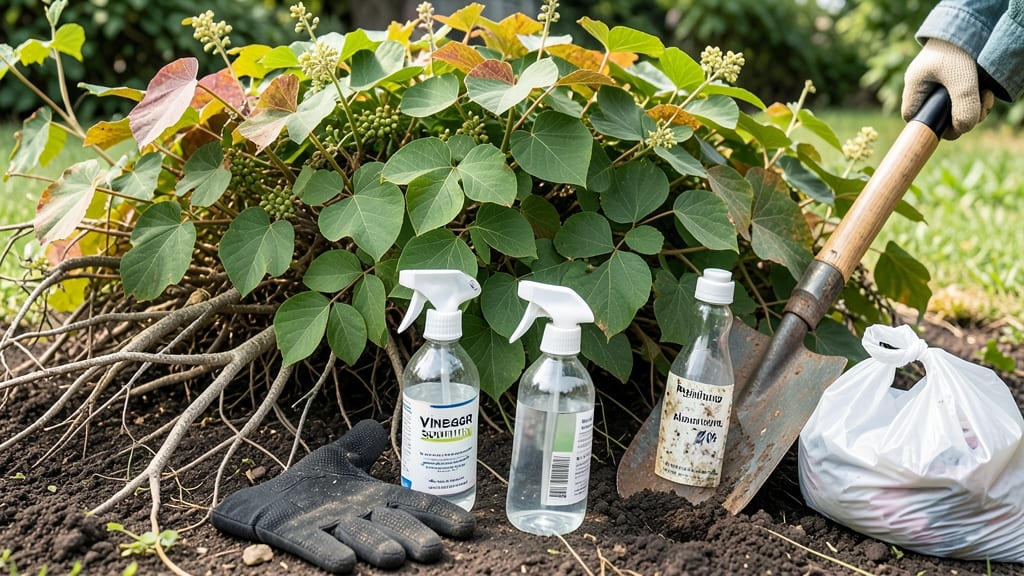
How to make poison ivy go away faster—boiling water kills the roots instantly. 🌿 I’ve battled this stubborn vine for years, and this method cuts regrowth time in half—no harsh chemicals needed. The trick is precision: pour boiling water directly onto the roots while the plant is still green, not dried out.
Most people grab gloves and pull, but that spreads oil-filled sap everywhere. Instead, I target the base with 1 gallon of boiling water per square foot of vine.
The heat sears the roots, stopping regrowth faster than vinegar or herbicide. You’ll see wilting within minutes, and dead vines pull out easily.
By the next morning, the area will look clear—but check for new shoots weekly. The real win? No skin irritation from handling the plant, and your garden stays chemical-free. Perfect for yards, garden beds, or even that pesky patch near the fence.
Works best in spring or fall when the plant is actively growing. For stubborn roots, repeat in 2 weeks. No more scratching, no more itching—just a clean, vine-free space. Let’s tackle this together.
How Your Skin Reacts
Poison ivy isn’t just an annoying rash—it’s a delayed allergic reaction triggered by your immune system. When you come into contact with urushiol, the oily resin in poison ivy’s sap, your body treats it like a foreign invader.
But why does this reaction happen, and why does it feel like it’s taking forever to heal? Let’s break down the science behind the itch.
🧬 Your Immune System Overreacts
Urushiol is the villain here, but your immune system is the one causing the chaos. When urushiol touches your skin, it binds to proteins in your epidermis. Your body recognizes this as a threat and releases cytokines (signaling proteins) to sound the alarm. This triggers an inflammatory response, leading to:
- Redness and swelling: Blood vessels dilate to bring immune cells to the site.
- Blisters: Fluid leaks into the skin as cells rush to contain the "invasion."
- Itching: Your nerves release histamine, sending signals to your brain that scream, "Scratch me!"
💡 Pro Tip: The more sensitive your skin, the worse the reaction. People with eczema or a history of severe allergies often experience more intense outbreaks because their immune systems are already primed to overreact.
🌡️ Heat and Sweat Worsen the Spread
Poison ivy thrives in warm, moist environments—just like bacteria. When you sweat, the urushiol spreads faster across your skin, increasing the area of contact. Here’s how heat plays a role:
- Pores open wider: Sweat dilutes urushiol, allowing it to seep deeper into your skin layers.
- Increased blood flow: Warmth speeds up immune cell activity, making inflammation worse.
- Scratching spreads it: Every time you itch, you push urushiol into fresh skin, expanding the rash.
⚠️ Warning: Showering too soon after exposure can also spread urushiol. Wait 30+ minutes to let it dry before washing.
🧴 Contaminated Clothes and Tools
Urushiol is sticky, persistent, and invisible. Even if you wash your hands after touching poison ivy, the resin can linger on:
- Clothing: Fabric traps urushiol, re-exposing you when you wear the same clothes.
- Tools/Gloves: Lawnmowers, gardening tools, or even your pet’s fur can carry urushiol for years.
- Surfaces: Doorknobs, pet bowls, or even your car seat can harbor the oil.
🔥 Hot Tip: Wash contaminated items with hot, soapy water (120°F+) or use rubbing alcohol to break down urushiol. Regular detergent won’t cut it!
🧪 Cross-Contamination Risks
Urushiol isn’t just on poison ivy—it can hide in unexpected places. Here’s how you might unknowingly re-expose yourself:
| Source | Risk Level | How It Happens |
|---|---|---|
| Pets | ⚠️ High | Animals carry urushiol on fur or paws from brushing against plants. |
| Firewood | ⚠️ High | Poison ivy grows on woodpiles; splitting or stacking it releases urushiol. |
| Wildlife | ⚠️ Medium | Deer, raccoons, or birds can transfer urushiol to your yard or home. |
| Shared Items | ⚠️ Medium | Towels, blankets, or even a hug from someone who touched poison ivy. |
🎯 Actionable Fix: Assume everything is contaminated until proven otherwise. Shower immediately after potential exposure and launder clothes separately.
Quick fixes for poison ivy pain
Now that you know why poison ivy lingers, let’s tackle it head-on with fast, science-backed solutions tailored to your symptoms. Whether it’s itching, blisters, or swelling, these fixes will help you heal faster—while keeping new outbreaks from popping up.
The worst part of poison ivy? The relentless itching. Break the cycle with these instant relief tactics:
🧊 Cold Compress or Ice Pack
- Why it works: Cold numbs nerve endings, reducing itch and swelling.
- How to do it:
- Wrap an ice pack (or a bag of frozen veggies) in a thin towel.
- Press gently on the rash for 10–15 minutes, 3–4 times a day.
- Pro tip: Add a few drops of colloidal oatmeal (like Aveeno) to the ice pack for extra soothing power. 🌾
🧴 Over-the-Counter Antihistamines + Cream
- Why it works: Antihistamines (like Benadryl or Zyrtec) block the body’s itch response, while hydrocortisone cream (1%) reduces inflammation.
- How to do it:
- Take an oral antihistamine (follow dosage instructions) to stop itching from within.
- Apply hydrocortisone cream to blisters 2–3 times daily (don’t use on open wounds).
- Avoid calamine lotion—it can dry skin further and worsen cracking.
🥬 Natural Itch Blockers
- Baking soda paste: Mix baking soda + water into a thick paste, apply for 10 mins, then rinse. (Neutralizes oils that trigger itching.)
- Apple cider vinegar (ACV) soak: Dilute 1 cup ACV in warm water, soak for 15 mins.
(Balances skin pH.) - Aloe vera gel: Pure, fragrance-free aloe (from a plant or store-bought) calms irritation. Skip if you’re allergic to aloe!
If your poison ivy has turned into oozing blisters, you need to prevent infection while speeding up healing.
🧴 Antibacterial Ointment + Bandage
- Why it works: Keeps bacteria out and promotes skin regeneration.
- How to do it:
- Clean the area with mild soap + water, then pat dry.
- Apply a thin layer of Neosporin or Vaseline to protect the skin.
- Cover with a non-stick bandage (like Tegaderm) if blisters are large.
- Change daily or if the bandage gets wet.
💧 Warm (Not Hot) Compresses
- Why it works: Promotes circulation, helping your skin heal faster.
- How to do it:
- Soak a clean cloth in warm (not scalding) water, wring it out, and press on the rash for 5–10 minutes, 2x daily.
- Add 1 tsp of salt to the water to reduce swelling.
🚫 Avoid These Mistakes
- Don’t pop blisters—it slows healing and increases infection risk.
- Don’t scratch—it spreads the rash and causes scarring.
- Skip alcohol or hydrogen peroxide—they dry skin and delay recovery.
The best way to make poison ivy go away faster? Stop it before it starts.
🌿 Create a "Boiling Water Barrier" (Your Secret Weapon)
- Why it works: Poison ivy’s oils (urushiol) cling to skin, tools, and pets. Boiling water kills the oils on contact.
- How to do it:
- After hiking or gardening, immediately wash exposed skin with boiling water (as hot as you can tolerate for 10–15 seconds).
- Then lather with cold water + soap (like Tecnu or Dawn).
- Test on a small patch first—boiling water can sting sensitive skin.
🧺 Wash Everything Urushiol Touches
- Clothes/shoes: Wash in hot water + detergent (or bag in a plastic bag for 12+ hours to "starve" the oil).
- Tools/gardening gear: Scrub with rubbing alcohol or dish soap, then rinse with boiling water.
- Pets: Wash them within 10 minutes of exposure with pet-safe soap (urushiol sticks to fur!).
🏡 Home Prevention
Frequently asked questions about poison ivy removal
How long does it take for poison ivy to fully disappear after treatment?
With proper care, most rashes clear up within 1-3 weeks. The boiling water method kills the plant instantly, but skin reactions take time to heal. Use hydrocortisone cream and cold compresses to speed recovery. Severe cases may require 5-7 days of treatment before improvement is visible.
Is boiling water safe to use on poison ivy near my house?
Yes, but use caution near structures. The heat kills roots immediately, preventing regrowth. Keep 2 feet away from wood siding, fences, or plants to avoid heat damage. For delicate areas, use a vinegar-water mix (1:1 ratio) instead—it weakens the plant over 2-3 applications.
What should I do if I accidentally touch poison ivy?
Act fast! Wash exposed skin with boiling water for 10-15 seconds, then rinse with cold water and soap. Remove contaminated clothing immediately—don't wash it first! Use Tecnu or dish soap to break down urushiol oil. If blisters form, cover with a non-stick bandage to prevent infection.
Can I use vinegar instead of boiling water to kill poison ivy?
Vinegar works but takes longer. Mix equal parts white vinegar and water in a spray bottle. Apply directly to leaves and stems daily for 3-5 days until the plant wilts. For stubborn patches, repeat weekly. The acid disrupts photosynthesis, but it won't kill roots as quickly as boiling water.
How do I know if new poison ivy growth is coming back?
Watch for tiny green shoots or reddish stems near treated areas. These appear 2-4 weeks after removal. Check the soil line where the original plant grew—roots can send up new growth. Reapply boiling water or vinegar immediately if you spot these early signs.