
Neem Oil
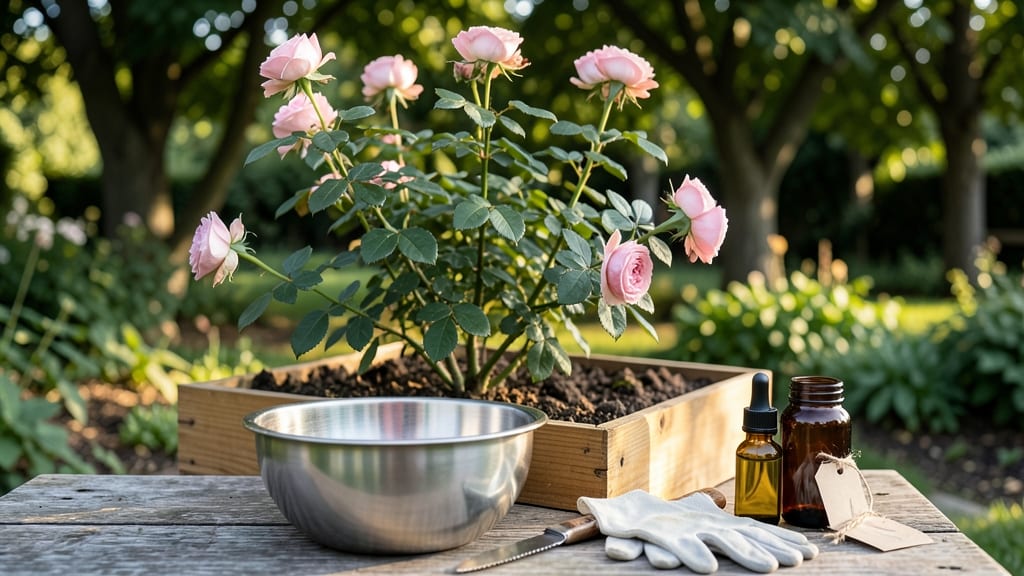
Your roses don’t have to be just pretty—they can be profitable too. ✨ Making rose oil from petals transforms what would be discarded into a luxurious, homegrown product that smells like spring. The best part?
You only need healthy roses, a little patience, and the right timing to harvest petals at their peak. Start with fully bloomed but slightly wilted petals—they yield the most oil. Avoid harvesting from over-fertilized roses, as the scent can become harsh.
Gather petals in the morning after the dew dries, when their fragrance is strongest. This method works best with disease-free roses, so always prune dead or damaged blooms first.
The process is simple: layer petals with a carrier oil (like sweet almond or jojoba) in a jar, seal it, and let sunlight work its magic for 4-6 weeks. Shake the jar daily to release more fragrance.
Store the finished oil in a cool, dark place—it’ll keep for up to a year, perfect for perfumes, skincare, or gifts. You’ll end up with a fragrant, handmade treasure that smells like your garden—and your roses will thank you for the gentle harvest.
Just remember: never take more than 20% of blooms from a single plant to keep it thriving.
📚 In This Guide
- What you need
- Instructions
- Tips and common mistakes
- Wrapping up and next steps
What you need
- ● Fresh rose petals: 1 cup (about 100–120g) – organic, pesticide-free for the purest scent. Use light pink or deep red petals (like Damask or Cabbage roses) for the strongest aroma.
- ● Carrier oil: ½ cup (120ml) – choose one: Sweet almond oil (gentle, lightweight, great for sensitive skin)
- ● Jojoba oil (long shelf life, mimics skin’s natural oils)
- ● Grapeseed oil (affordable, high in antioxidants)
- ● Glass jar: 1 quart-sized (950ml) – sterilized (use amber or dark glass to block light and preserve oil).
- ● Cheesecloth or fine mesh strainer: 1 – for filtering petals without losing oil.
- ● Wooden spoon or spatula – for gentle stirring.
- ● Small funnel – to transfer oil cleanly into bottles.
- ● Dark glass dropper bottles – for storage (4oz/120ml size).
- ○ Food processor or blender (optional) – to finely chop petals for faster infusion.
- ○ Essential oil (optional) – 5–10 drops of rose essential oil to boost potency (if desired).
- ● Label & marker – to track dates and ingredients.
Step-by-Step instructions for Making rose oil from petals
Here's how to capture that intoxicating rose fragrance at home—no fancy equipment needed!
🌿 Step 1: Gather and Prepare Fresh Rose Petals
Collect fresh, organic rose petals—avoid sprayed blooms, as chemicals ruin the scent. I like to pick petals in the early morning when their oils are most potent. For best results, use 2 cups of petals per ½ cup of carrier oil (like sweet almond or jojoba). Spread them on a clean towel to dry slightly—just until they lose their dew, about 30 minutes. Too much moisture encourages mold.
Remove any stems or leaves, then gently crush the petals with your hands or a mortar and pestle. This breaks open the tiny scent glands, releasing more fragrance. Place the crushed petals in a clean glass jar with a lid. I always use amber glass to protect the delicate oils from light degradation. Fill the jar no more than halfway—petals expand when infused.
💧 Step 2: Infuse the Petals in Carrier Oil
Pour ½ cup of carrier oil over the petals, ensuring they're fully submerged. Seal the jar tightly and place it in a sunny windowsill (but not direct midday sun, which can overheat the oil). Let it sit for 4-6 weeks, shaking the jar once daily for the first week, then every few days after that. You'll notice the oil turning a soft pink hue—this is your first sign the scent is transferring.
After 4 weeks, strain the oil through a fine-mesh sieve or cheesecloth into a clean glass bottle. Press the petals gently to extract every last drop. Discard the spent petals (they’re now scentless). Store the infused oil in a cool, dark place—it’ll keep for up to 1 year if properly sealed. The stronger the scent now, the more potent your final product will be.
☀️ Step 3: Concentrate the Oil (Optional for Stronger Fragrance)
For an even more intense aroma, you can double-extract the oil. Place the strained petals back in the jar and add another ¼ cup of fresh carrier oil. Let this infuse for 2-3 more weeks, shaking occasionally. Strain again and mix both batches together. This method takes longer but yields a richer, more complex scent—worth it for perfumers or large batches.
Test the oil by dabbing a tiny amount on your wrist. If the fragrance lingers strongly for several hours, it’s ready to use! For everyday use, mix 5-10 drops of rose oil with 1 tablespoon of carrier oil before applying to skin. For gifts, bottle it as-is—its natural beauty makes it a stunning addition to any vanity.
Tips & tricks for perfect rose oil extraction
Here's what nobody tells you—those tiny details make all the difference with rose oil!
Petal Selection: Not all rose petals work equally well! Choose fresh, organic petals from dark pink or red roses—they contain the most fragrance. Avoid white roses (like hybrid teas) as they have minimal scent. If you're using store-bought petals, check they haven't been treated with preservatives, which can ruin your oil. I always go to my garden first thing in the morning when petals are at their freshest!
Oil Choice Matters: While sweet almond and jojoba oils are perfect starters, consider grapeseed oil for a lighter texture or avocado oil for extra stability. Avoid strongly flavored oils like coconut—they'll overpower the delicate rose scent. Pro tip: Use expeller-pressed oils (not refined) for better results, as they retain more natural nutrients that help preserve the rose's fragrance.
Speeding Up Without Sacrificing Quality: The instructions mention sunlight can speed things up, but here's the secret: place your jar on a sunny windowsill for 2-3 hours daily during the first 2 weeks of infusion. After that, switch to cool, dark storage to preserve the color and prevent degradation. This two-phase approach gives you pale pink oil in about 3-4 weeks instead of 6—just watch for that beautiful hue!
Straining Secrets: When filtering in Step 2, don't rush! Press the petals gently but firmly with a spoon or clean fingers to extract maximum fragrance. For extra clarity, layer cheesecloth over a fine-mesh sieve—this catches tiny petal particles that would otherwise make your oil cloudy. I've found that double-filtering through a coffee filter last gives the clearest, most professional-looking oil.
Pro Tips for Make Rose Oil From Petals
- Here's what nobody tells you—those tiny details make all the difference with rose oil!
- Petal Selection: Not all rose petals work equally well!
- Oil Choice Matters: While sweet almond and jojoba oils are perfect starters, consider grapeseed oil for a lighter texture or avocado oil for extra stability.
Frequently asked questions
Got questions?
Here are answers to the most common ones about crafting your own rose oil at home—no fancy lab required!
How long do I need to let rose petals steep in oil?
The magic happens over 4–6 weeks, but patience pays off! For a lighter scent, steep for 2 weeks; for deeper fragrance, extend to 8 weeks. Stir the jar gently every 3–4 days to keep the petals immersed.
Can I use dried rose petals instead of fresh ones?
Dried petals work just as well—they’re even more concentrated. Just ensure they’re completely dry (no moisture) to avoid mold. Store them in an airtight container until use.
What if my rose oil smells weird or turns cloudy?
Cloudiness or a sour odor means mold or rancidity. Toss it immediately—don’t risk it! To prevent this, use sterilized jars, store in a cool, dark place, and avoid metal utensils. When in doubt, start fresh.
Is homemade rose oil cheaper than buying it?
Yes! A single batch costs $5–$10 (vs. $20–$50 for store-bought). Plus, you control quality and scent strength. Just factor in time and petal sourcing—farmers' markets or your own garden are goldmines!
Can I use other flowers or oils for this method?
Swap roses for lavender, chamomile, or jasmine—just adjust steeping time (herbs often need 2–3 weeks). For oils, jojoba or grapeseed work best (avoid coconut oil; it solidifies). Experiment and have fun!
Wrapping up and next steps
Making your own rose oil from petals is a rewarding and fragrant journey that connects you to nature’s beauty. With just a few simple steps—harvesting fresh petals, infusing them in a carrier oil, and straining—you’ve created a luxurious, homemade scent that’s perfect for skincare or aromatherapy. 🌹✨
Now that you’ve mastered the process, why not experiment further? Try blending rose oil with lavender or chamomile for a custom fragrance, or gift your handmade oil to a loved one. The possibilities are as endless as your creativity!