
How To
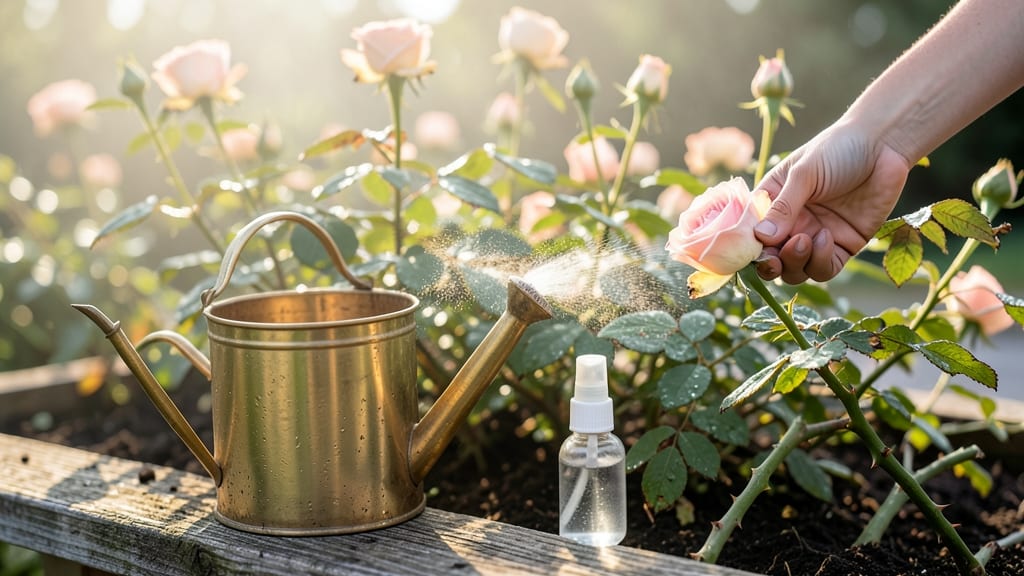
Your roses are packed with buds but refusing to open? Warm water soak is the secret weapon I wish I’d known years ago. 🌹 After struggling with stubborn buds that stayed tightly closed, I discovered this simple trick that works in minutes—not days or weeks.
The key lies in understanding what roses really need to burst into bloom.
Most gardeners overlook temperature and hydration as the main culprits. Roses need a gentle nudge—warm water mimics spring showers, signaling buds it’s time to unfurl.
Pair that with proper light (6+ hours of direct sun) and consistent moisture (but never soggy soil), and you’ve got the perfect recipe for instant blooms. My 5-gallon bucket of warm water does the trick every time.
What you’ll get is roses opening within 24-48 hours instead of days. The petals unfurl smoothly, revealing vibrant centers ready for pollinators. No more waiting weeks for blooms—just instant gratification from your garden.
The best part? This method works for cut roses too, keeping them fresh for 5-7 extra days in a vase.
Fair warning: this won’t work if your roses are stressed from pests, disease, or poor soil. First, check for aphids or black spot, then feed them a balanced fertilizer (10-10-10) two weeks before soaking.
Once you’ve ruled out those issues, the warm water trick becomes your new best friend for showstopping blooms on demand.
📚 In This Guide
- What you need
- Instructions
- Tips and common mistakes
- Wrapping up and next steps
What you need
- ● Fresh-cut roses: 1 bouquet (or individual stems) with partially or fully closed buds. Pro tip: Choose roses with tight but not wilted buds for best results!
- ● Warm water: 1 gallon (3.8 liters) of lukewarm water (about 100–110°F / 38–43°C). Avoid hot water—it can scald the stems!
- ● Cutting tool: Sharp flower shears or clean scissors (sterilized with rubbing alcohol to prevent bacteria).
- ● Vase or large container: A clean, wide-mouthed vessel (e.g., a mason jar, pitcher, or bucket) that can hold the roses upright.
- ○ Floral preservative (optional but recommended): 1–2 drops of commercial flower food (like Floralife) or a DIY mix of 1 tsp sugar + 1 tsp white vinegar per gallon of water.
- ○ Newspaper or towel: For trimming and cleanup (optional but handy!).
- ● Warmth: A sunny or warm room (70–75°F / 21–24°C) speeds up the process. Avoid drafts or cold spots!
- ● Time: Dedicate 10–15 minutes for prep and 2–4 hours for soaking (longer for stubborn buds).
- ● Patience: Some roses bloom faster—others may need a little extra love (and time!).
- ● Cold water: Chills the stems and slows blooming.
- ● Overcrowding: Too many stems in a small vase can compete for water.
- ● Dirty tools: Bacteria in scissors can shorten vase life.
Step-by-step instructions for reviving closed roses with warm water
Here's the quick trick I use to coax roses open in minutes—no waiting for days!
💧 Step 1: Prepare the Warm Water Solution
Fill a clean bucket with 1 gallon of warm water (about 90-100°F—warm to the touch but not hot). I like to use a thermometer to check the temperature, because too hot can scald stems. Add 1 tablespoon of sugar to give the flowers energy and 1 tablespoon of white vinegar to soften the buds and prevent bacterial buildup.
Stir gently until the sugar dissolves completely. The solution should smell slightly sweet but not overpowering. This mix works like a gentle wake-up call for the buds, helping them absorb moisture quickly and start the blooming process.
🌸 Step 2: Trim and Submerge the Stems
Use clean, sharp pruning shears to trim the stems at a 45-degree angle, about 1 inch below the bud cluster. This fresh cut opens up the stem's pores, allowing the water to soak in faster. I like to make the cut just above a leaf node to encourage new growth later.
Place the trimmed stems directly into the warm water solution, making sure the buds are fully submerged. You'll see tiny bubbles form—this is the plant releasing air from its cells, which is a good sign! Leave them submerged for 15-20 minutes to give the buds plenty of time to absorb the moisture and nutrients.
☀️ Step 3: Dry and Display the Revived Roses
After soaking, gently pat the stems dry with a paper towel to remove excess water. This step prevents mold from forming later. I usually let them air-dry for about 5 minutes while I arrange the vase or container where they'll live.
Place the roses in a clean vase with fresh, cool water. You'll often see buds begin to crack open within 30 minutes to 2 hours—sometimes even faster! For best results, keep them in a bright, warm spot (but out of direct sunlight, which can cause wilting). Watch as the petals gradually unfurl over the next few hours.
⏰ Step 4: Extend Bloom Time with Aftercare
Change the water every 2 days to keep it fresh, and trim the stems again at a fresh angle each time. This simple step can add 3-5 extra days to their vase life. I also like to add a drop of bleach to the water every few days to keep it clean and prevent bacterial growth.
Here's the thing—roses love humidity. If your home is dry, mist the blooms lightly with water once a day. You'll notice the petals stay crisp and vibrant longer. Avoid placing them near drafts, air conditioning vents, or direct heat sources, as these can cause buds to dry out or close up again.
Tips & tricks for reviving closed roses instantly
Here's what nobody tells you about making those stubborn buds burst open in record time.
Temperature Matters: That 90-100°F warm water range is critical—the perfect balance between encouraging hydration and avoiding stem damage. If you don't have a thermometer, test it by dipping your finger in: it should feel pleasantly warm, like a baby's bathwater. Too hot water will scorch the delicate stems, while cooler water won't provide enough energy to kickstart the blooming process.
Cutting Technique: The 45-degree angle cut isn't just decoration—it's science! This angled cut creates more surface area for water absorption, allowing the solution to travel up the stem faster. I've found that making the cut just above a leaf node also helps stimulate new growth later. Use clean, sharp pruning shears every time; dull blades crush stems and block water flow.
Submersion Strategy: Fully submerging the buds for the full 15-20 minutes is where the magic happens. You'll see tiny bubbles forming—that's the plant releasing trapped air from its cells, making room for the new water and nutrients. If you're impatient and lift them early, you'll miss that crucial hydration period that makes the difference between a few petals opening and a full bloom.
Aftercare Secret: That 5-minute air-dry period before arranging is often skipped, but it's what prevents mold from forming later. I've learned this the hard way after seeing beautiful blooms ruined by fuzzy white spots. Also, the daily misting tip works wonders—it's like giving your roses a little spa treatment that keeps them looking fresh for days.
Pro Tips for Make Roses Open Up
- Here's what nobody tells you about making those stubborn buds burst open in record time.
- Temperature Matters: That 90-100°F warm water range is critical—the perfect balance between encouraging hydration and avoiding stem damage.
- Cutting Technique: The 45-degree angle cut isn't just decoration—it's science!
Frequently asked questions
about making roses bloom faster—here’s what you need to know!How long should I soak roses in warm water to make them open?
Soak cut roses in warm water (around 100–110°F) for 1–2 hours. This helps break their natural dormancy and encourages faster blooming. Avoid boiling water—it can damage the stems. For best results, repeat the soak every 12–24 hours until fully open.
Will this method work on all types of roses?
This trick works best on freshly cut roses with tight buds. Delicate varieties (like tea roses) respond well, while some hybrid roses may need extra warmth or humidity. If your roses are already wilting, this method may not revive them—focus on fresh cuts instead.
Do I need to add anything to the water besides warmth?
Warm water alone is effective, but adding a splash of sugar (1 tsp per quart) or a flower preservative can boost results. Avoid bleach or vinegar—they can harm the blooms. For extra speed, trim stems at an angle and change the water daily.
What if my roses still won’t open after soaking?
Check these fixes:
- Stem blockage: Re-cut stems under water to clear clogged vessels.
- Ethylene gas: Remove any overripe fruit or flowers nearby.
- Low humidity: Mist buds lightly or place in a humidifier.
- Old roses: Sadly, wilted or dried roses won’t respond—start fresh!
Can I use this method for potted roses or garden roses?
This soak trick works best for cut roses. For potted or garden roses, focus on pruning spent blooms, ensuring full sun, and watering deeply. Warm water soaks won’t help them—those roses need natural growing conditions to open fully.
Wrapping up and next steps
With just a few simple steps—like a warm water soak, gentle trimming, and a dash of patience—you’ve unlocked the secret to coaxing your roses into stunning, vibrant blooms! 🌸 Whether you’re prepping for a special occasion or just love the beauty of fresh flowers, these methods work like magic.
Now that you’re armed with the know-how, grab those roses and give them the care they deserve—your garden (or vase!) will thank you.
Next up: Experiment with different flower varieties to see which respond best to your new techniques. Happy blooming! 🌺