
Picking
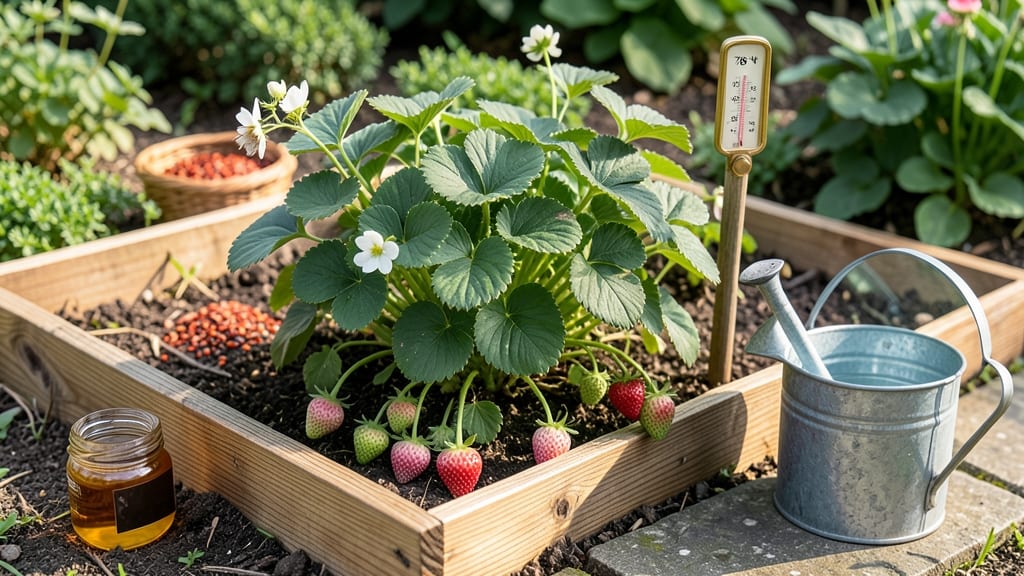
Strawberries refusing to ripen? That first bite of sweetness shouldn’t be a mystery. 🌱 I’ve rescued more underripe strawberries than I’d like to admit—here’s the simple trick that works every time, whether your plants are in containers, raised beds, or the ground.
The secret lies in sunlight, temperature, and a little ethylene boost—nature’s ripening signal. Too much shade or inconsistent watering keeps berries tart and green. But once you adjust care (think morning sun, afternoon shade, and even banana peels for ethylene), you’ll see red in just 3-5 days.
Even my black thumb gets results with this method. You’ll end up with berries so juicy and sweet they’ll make your neighbors ask for cuttings. The best part? No chemicals, no guesswork—just consistent care that turns pale green into vibrant red overnight.
Here’s exactly how to do it without the frustration.
First, check your plants’ location and watering. Strawberries need 6-8 hours of sun daily, but afternoon shade prevents sunscald. Water deeply once a week (more in heatwaves) and avoid wetting the fruit—this prevents rot and encourages ripening.
If your berries stay small and hard, they’re not getting enough sun or nutrients. For the ethylene trick, place a ripe banana or apple near the plants (or even a few slices in a bag with the berries).
Ethylene gas—what makes fruit ripen on your counter—works the same way in the garden. You’ll see color change within 24-48 hours, and full ripeness in 3-5 days. It’s science-backed and 100% free.
Watch for these common mistakes: harvesting too early (wait until half-red), overwatering (root rot stalls ripening), or picking in cool weather (berries need warmth to sweeten).
Prune old leaves in early spring to redirect energy to fruit, and fertilize lightly with compost or a balanced 10-10-10 mix in early season. Once you master this, you’ll never waste another underripe berry. The key is patience and consistency—sun, water, and a little ethylene magic.
Try it this season, and you’ll be the one everyone asks for strawberries.
📚 In This Guide
- What you need
- Instructions
- Tips and common mistakes
- Wrapping up and next steps
What you need
- ● Strawberries: A small to medium bunch (about ½ to 1 lb) that are firm but starting to turn slightly pink (avoid fully green or mushy ones).
- ● Paper bag: A brown paper lunch bag (or any breathable paper bag—avoid plastic!).
- ○ Banana (optional but highly effective): 1-2 ripe bananas to place inside the bag with the strawberries.
- ○ Newspaper or paper towels: A few sheets to line the bottom of the bag (optional but helps absorb moisture).
- ● Apple or avocado: 1-2 ripe fruits to place in the bag (releases ethylene gas for faster ripening).
- ● Small container: A shallow dish to hold the strawberries if you’re not using a bag (e.g., a ceramic bowl).
- ● Humidity tray: A tray with water + pebbles (for long-term storage, not ripening).
- ○ Thermometer (optional): To check room temperature (ideal: 65–75°F).
Step-by-step instructions for speeding up strawberry ripening
Here's the simple method I swear by to turn green strawberries into sweet, red berries in days.
🌱 Step 1: Select the Right Strawberries
Choose berries that are already plump and starting to change color from green to pale pink—these are the ones with the most potential. Avoid fully green berries (they need more time on the plant) or already red ones (they won't improve much). I like to pick in the morning when temperatures are cooler, which helps preserve their natural sugars.
Gently twist the berry from the stem—don't pull it straight up, which can damage the plant. If it resists, let it ripen another day. Once detached, place them in a single layer on a paper towel or clean cloth to prevent bruising. This step ensures you're working with berries that just need a little push to reach peak sweetness.
☀️ Step 2: Create the Ideal Ripening Environment
Place the strawberries in a paper bag (the kind with holes for ventilation) or a cardboard box lined with newspaper. This creates a mini greenhouse effect that traps ethylene gas—nature's ripening accelerator. I use a standard brown paper lunch bag for 4-6 berries, leaving the top slightly open to allow airflow.
Store them at room temperature (around 70-75°F) in a dark spot like a pantry or cupboard. The warmth and slight humidity inside the container speed up the ripening process without causing rot. Check them daily—you'll see color changes within 24-48 hours if conditions are right. Avoid refrigeration at this stage; cold temperatures slow ripening and dull flavor.
💧 Step 3: Monitor and Rotate Daily
Open the container each morning to inspect the berries. Rotate them so all sides get equal exposure to any trapped ethylene gas. You'll notice the first signs of ripening as pink blush appears on the shoulders of the berries. This is your signal that the process is working—don't be tempted to move them yet.
If you see any berries starting to soften or develop mold (fuzzy white or black spots), remove them immediately and discard them. The rest should continue ripening normally. By day 3, most berries will be fully red and ready to eat. The key here is patience—rushing by checking too often can actually slow the process by letting ethylene escape.
✂️ Step 4: Test for Perfect Ripeness
When the berries reach full red color, give them one final check before eating. Press gently—they should yield slightly but not feel mushy. A ripe strawberry should also have a slightly sweet aroma at the stem end. If they pass these tests, they're ready to enjoy immediately.
For maximum flavor, let them sit at room temperature for another 1-2 hours after they turn red. This final stage allows their natural sugars to fully develop. Once ripe, store them in the fridge for up to 3 days to maintain freshness. The berries you ripened this way will be sweeter and more flavorful than those picked at peak redness from the store.
Tips & tricks for perfect strawberry ripening
Here's what nobody tells you about getting those stubborn green strawberries to turn sweet and red in record time.
Selection Strategy: The berries you choose make all the difference. Look for ones that are already starting to blush pink—these will ripen fastest. I've learned the hard way that fully green berries need more time on the plant, while already red ones won't improve much. That pale pink stage is your sweet spot for this method to work its magic.
Container Wisdom: While paper bags work perfectly, don't overlook cardboard boxes lined with newspaper—they create an even more controlled environment. The key is maintaining that balance of warmth and airflow. I've tried plastic containers, but they trap too much moisture and risk mold. Keep the container slightly open (about 1-2 inches) to allow ethylene to circulate while maintaining humidity.
Temperature Matters: That 70-75°F range is critical—it's warm enough to accelerate ripening without causing spoilage. If your kitchen runs cooler, place the container near a warm spot like above the refrigerator or near a sunny window (but not in direct sunlight). Avoid heat sources that could exceed 80°F, as that can cook the berries rather than ripen them properly.
Ethylene Exposure: The magic happens through ethylene gas, which strawberries naturally produce. To maximize this effect, place an apple or banana in the container with your strawberries—they release ethylene too. Just remove them once you see the pink blush appear (around 24 hours). This little trick can cut ripening time by nearly half while keeping the berries fresher longer.
Pro Tips for Make Strawberries Ripen
- Here's what nobody tells you about getting those stubborn green strawberries to turn sweet and red in record time.
- Selection Strategy: The berries you choose make all the difference.
- Container Wisdom: While paper bags work perfectly, don't overlook cardboard boxes lined with newspaper—they create an even more controlled environment.
Frequently asked questions
Got questions about speeding up strawberry ripening? You’re not alone! Here are some of the most common queries—and their quick, practical answers—to help you get the sweetest berries faster.
How long does it take for strawberries to ripen using the paper bag trick?
The paper bag method can speed up ripening in 1–3 days, depending on the strawberries’ initial stage. If they’re already slightly red, they’ll ripen faster than fully green ones. Check them daily for the perfect balance of red and firmness!
Can I use a banana or apple to ripen strawberries like I would with avocados?
Yes! Ethylene gas from bananas or apples can help ripen strawberries faster (2–4 days). Place a ripe banana or apple in a sealed bag with the strawberries, but remove them once the strawberries are mostly red to avoid over-ripening or spoilage.
What’s the best temperature for ripening strawberries?
Strawberries ripen best at room temperature (68–77°F or 20–25°C). Avoid refrigerating them until fully ripe—cold slows the process. If your kitchen is too warm, opt for the paper bag or ethylene method instead.
Why are my strawberries turning mushy or moldy after trying to ripen them?
Over-ripening or excess moisture causes mushiness. Check strawberries daily and remove any soft or moldy ones immediately. Use a single layer in the bag, and avoid sealing it too tightly to prevent condensation. If they’re already spoiled, try a fresh batch!
Can I ripen strawberries picked from the garden faster than store-bought ones?
Garden-picked strawberries
often ripen 2–3x faster than store-bought because they’re fresher and firmer. Use the paper bag or ethylene method, and they’ll be ready in 1–2 days. Just avoid washing them until fully ripe to prevent speeding up decay.
Wrapping up and next steps
With these simple tricks, you can turn underripe strawberries into sweet, juicy treats in no time!
Whether you use a paper bag, ethylene-producing fruits, or a warm spot, the key is patience and the right conditions. Now that you know how to speed up ripening, why not share your newfound knowledge with fellow gardeners or snack lovers?
🍓 Next step: Grab those slightly green strawberries, try one of these methods, and enjoy the reward of perfectly ripe fruit in just days! Happy ripening—and happy snacking! 😊