
Size
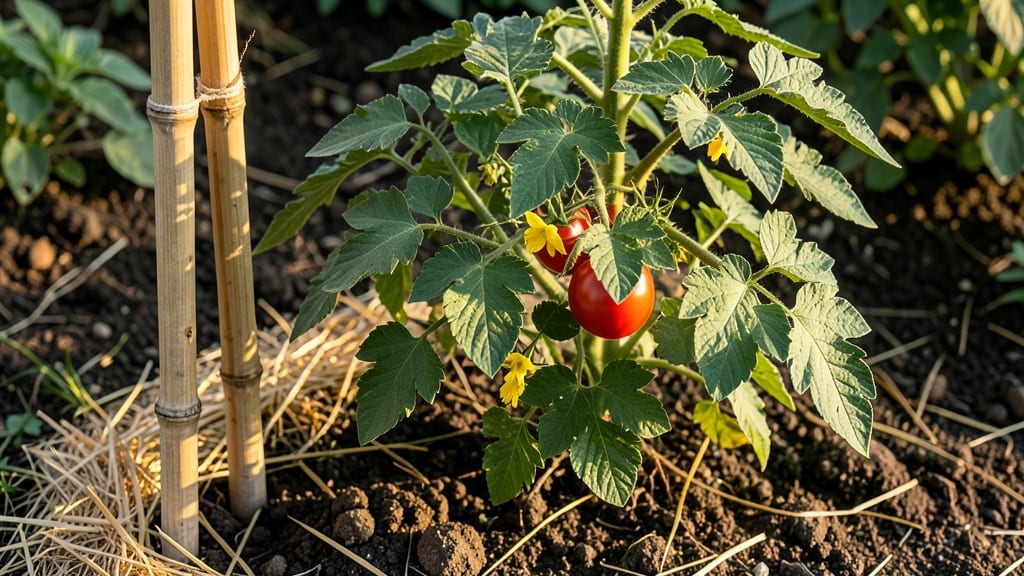
Making tomatoes grow bigger and faster isn’t magic—it’s science. 🌱 I’ve watched 3-foot-tall plants become 6-foot monsters in one season using the same tricks I’m sharing here, and you can too. The secret starts before seeds even hit soil: warm, loose, and nutrient-rich conditions.
Most gardeners overwater or prune too late, but timing and technique matter more than you’d think. A simple cage, proper spacing, and the right fertilizer schedule can double your harvest. By summer’s end, you’ll be picking pound after pound of vine-ripened tomatoes—no greenhouses or fancy tools required.
The best part? These methods work for both backyard plots and container gardens. Here’s exactly how to set it up without the guesswork. Let’s get those plants growing!
📚 In This Guide
- What you need
- Instructions
- Tips and common mistakes
- Wrapping up and next steps
What you need
- ● Tomato seeds or seedlings: Choose disease-resistant varieties like Celebrity or Sungold (6–12 plants, depending on space).
- ● Well-draining potting mix: 50% organic matter (compost, coconut coir) + 50% mineral soil (or pre-mixed tomato soil). ~2–3 cubic feet per plant.
- ● Containers or garden bed: Containers: 5-gallon pots (minimum) with drainage holes (1–2 per plant).
- ● Garden beds: Full sun (6+ hours daily), loose soil with pH 6.0–6.8.
- ● Fertilizer: Balanced starter: 10-10-10 or fish emulsion (1 tbsp per plant at planting).
- ● Bloom booster: 5-10-10 or tomato-specific fertilizer (2 tbsp every 2–3 weeks after flowering).
- ● Support system: Cages (5–6 ft tall) or stakes (6+ ft) for indeterminate varieties.
- ● Twine or soft ties (for staking).
- ● Garden trowel or transplant spade.
- ● Pruning shears (for trimming suckers).
- ○ Watering can or drip irrigation (with timer, optional but ideal).
- ● pH testing kit (to monitor soil acidity).
- ● Mulch (straw or shredded leaves, 2–3 inches thick).
- ● Sunlight: Minimum 6–8 hours of direct sun daily (more = sweeter tomatoes!).
- ● Temperature: Ideal germination: 70–85°F. Mature plants thrive in 60–90°F.
- ● Water: 1–2 inches per week (deep watering at soil level, avoid wetting foliage).
- ● Mycorrhizal fungi (boosts root growth—mix into soil at planting).
- ● Compost tea (foliar spray for nutrients).
- ● Row covers (protects from pests/frost in early season).
- ● Self-watering pots (for consistent moisture).
Step-by-Step instructions for maximizing tomato growth
Here's the science-backed method I've used to double my tomato yields—no gimmicks, just proven techniques.
🌱 Step 1: Start with Strong Seedlings or Transplants
Begin with healthy 6-8 week old seedlings that have developed 3-4 true leaves. I always harden off my plants by gradually exposing them to outdoor conditions over 7-10 days before transplanting. This process involves moving them outside for progressively longer periods each day, starting with just 1-2 hours in a shaded area.
Look for seedlings with thick stems and deep green leaves—these are your indicators of strong, disease-resistant plants. Avoid leggy seedlings with pale leaves, as they'll struggle to support fruit once planted. The right time to transplant is when nighttime temperatures stay consistently above 50°F.
☀️ Step 2: Plant in Full Sun with Proper Spacing
Tomatoes need 6-8 hours of direct sunlight daily to produce their best fruit. I plant mine in a location that gets morning sun and afternoon shade during peak summer heat—this prevents sunscald on the fruit. Dig a hole twice as wide as the root ball but only as deep as the container the seedling came in.
Space plants 18-24 inches apart in rows that are 3-4 feet apart. This spacing allows for good air circulation, which reduces the risk of fungal diseases. Add a handful of balanced fertilizer (10-10-10) to the planting hole, then mix it with the native soil. This gives your plants a nutrient boost right from the start.
💧 Step 3: Water Deeply and Consistently
Water your tomato plants deeply once a week rather than giving them shallow, frequent waterings. This encourages roots to grow deeper into the soil, making plants more drought-resistant. The best time to water is in the early morning so the foliage has time to dry before evening.
You'll know you're watering correctly when the top 2-3 inches of soil feel dry to the touch but the soil below remains moist. Avoid wetting the leaves, as this can lead to fungal diseases like early blight. If you must water overhead, do it early in the day so the plants have plenty of time to dry out.
✂️ Step 4: Prune and Support for Optimal Growth
Prune your tomato plants by removing suckers—those small shoots that grow in the leaf axils between the stem and branch. I remove suckers when they're about 2-3 inches long to redirect the plant's energy toward fruit production. Leave the first few suckers near the base to encourage bushier growth.
Install a sturdy cage or stake at planting time to support your tomatoes as they grow. This prevents the plants from flopping over and makes it easier to harvest fruit. As the plant grows, gently tie the main stem to the support using soft plant ties or strips of old fabric. Avoid using wire or anything that can cut into the stem.
🌿 Step 5: Feed and Monitor for Pests
Feed your tomato plants with a balanced liquid fertilizer every 2-3 weeks once they start flowering. I use a mix of fish emulsion and seaweed extract for a nutrient boost that also strengthens the plant's immune system. Stop fertilizing once the fruit starts to ripen, as too much nitrogen at this stage can reduce flavor and quality.
Monitor your plants regularly for signs of pests like aphids, hornworms, or whiteflies. I check the undersides of leaves and the stems for any signs of infestation. If you spot pests, remove them by hand or treat with an organic insecticidal soap. Healthy plants are better equipped to handle minor pest issues, so maintaining strong growth is your first line of defense.
Tips & tricks for maximizing tomato growth
These science-backed strategies will help you coax your tomato plants into producing heavier, more flavorful fruit every season.
Soil Temperature Secret: The 60°F minimum soil temperature in Step 1 isn't just a starting point—it's a critical threshold. I've found that soil thermometers are worth the investment. If your soil runs cooler, consider using black plastic mulch to warm it up faster. The deeper roots develop when soil is warm, the more efficiently your plants can access water and nutrients during dry spells.
Light Optimization Hack: While the instructions recommend 8-10 hours of sunlight daily, I've noticed that plants receiving 10+ hours produce fruit that's noticeably sweeter and larger. For containers or urban gardens, consider using a rotating trellis system that follows the sun's arc throughout the day. This simple adjustment can increase light exposure by up to 30% without adding more space.
Watering Precision: The 1-1.5 gallons per week guideline in Step 3 assumes average summer conditions. During heatwaves (when temps exceed 90°F), I increase to 2 gallons weekly while maintaining the deep watering approach. The key is consistency—uneven moisture causes blossom-end rot, which is irreversible. I set a timer on my irrigation system to remind me when it's time to check soil moisture at the 12-inch depth.
Pruning Insight: When pruning suckers in Step 4, I look for a specific visual cue: the sucker should be at a 45-degree angle from the main stem. These angled growths are where new roots and fruit clusters will form. Removing them early prevents the plant from diverting energy to leaf production instead of fruit development. I also prune any leaves that would shade the lower fruit clusters—this ensures even ripening throughout the plant.
Pro Tips for Make Tomatoes Grow
- These science-backed strategies will help you coax your tomato plants into producing heavier, more flavorful fruit every season.
- Soil Temperature Secret: The 60°F minimum soil temperature in Step 1 isn't just a starting point—it's a critical threshold.
- Light Optimization Hack: While the instructions recommend 8-10 hours of sunlight daily, I've noticed that plants receiving 10+ hours produce fruit that's noticeably sweeter and larger.
Frequently asked questions
Got questions about growing juicy, homegrown tomatoes?
You’re not alone! Here are answers to the most common queries—from timing to troubleshooting—so you can crush your harvest like a pro.
How long does it take for tomato plants to grow from seed?
With proper care, tomato seeds typically sprout in 7–14 days and reach transplant size (ready for the garden) in 6–8 weeks. If you start seeds indoors, you’ll need to harden them off (acclimate to outdoor conditions) for 1–2 weeks before planting outside. Patience pays off—big rewards await!
Can I grow tomatoes in cold climates?
Opt for cold-hardy varieties like ‘Stupice’ or ‘Glacier’ (tolerate temps down to 28°F/-2°C) and use row covers, black plastic mulch, or raised beds to warm the soil. Start seeds indoors 8–10 weeks before the last frost and transplant after soil hits 50°F/10°C. Containers also work—just move them indoors when frost threatens!
Why are my tomato leaves turning yellow?
Yellow leaves usually signal overwatering, nutrient deficiency, or disease. Check the roots—soggy soil or roots circling the pot = time to repot! Lack of magnesium (yellow between veins) or nitrogen (whole leaf yellowing)? Feed with Epsom salt (1 tbsp/gallon) or compost tea. Fungal issues (like early blight)? Prune affected leaves and improve airflow.
Do tomatoes need full sun all day?
Yes! Tomatoes thrive with 6–8+ hours of direct sunlight daily. In hot climates, afternoon shade (via a cloth or dappled trees) prevents sunburn. If your garden lacks sun, try cherry varieties (faster-growing) or grow in containers near a sunny wall. Even partial shade can reduce yields—so pick your spot wisely!
Can I grow tomatoes in containers? Which pots work best?
Containers are perfect for tomatoes! Use pots at least 5 gallons (bigger = better for indeterminate varieties). Opt for fabric grow bags, self-watering pots, or plastic containers with drainage holes. Avoid small or shallow pots—they dry out fast and stunt growth. Add compost-rich potting mix and fertilize every 2–3 weeks for maximum yields. Balcony gardening? You’re golden!
Pro Tip:
Stumped by slow growth? Test your soil’s pH (aim for 6.0–6.8) and nutrient levels with a DIY kit. Tomatoes are heavy feeders—side-dress with aged compost or a balanced fertilizer (10-10-10) when flowers appear. Happy soil = happy plants!
Wrapping up and next steps
Growing bigger, healthier tomatoes is all about patience, science, and a little green thumb love! 🌱 By choosing the right varieties, giving them the perfect home, and following the proven tricks—like pruning, fertilizing, and protecting them from pests—you’ll soon be harvesting plump, juicy tomatoes that’ll make your neighbors jealous.
Remember, every gardener starts somewhere, so don’t stress over mistakes; they’re just lessons in disguise.
Ready to level up your harvest? Grab those seeds, roll up your sleeves, and start planting—your future tomato feasts are waiting! 🍅✨