
Pruning
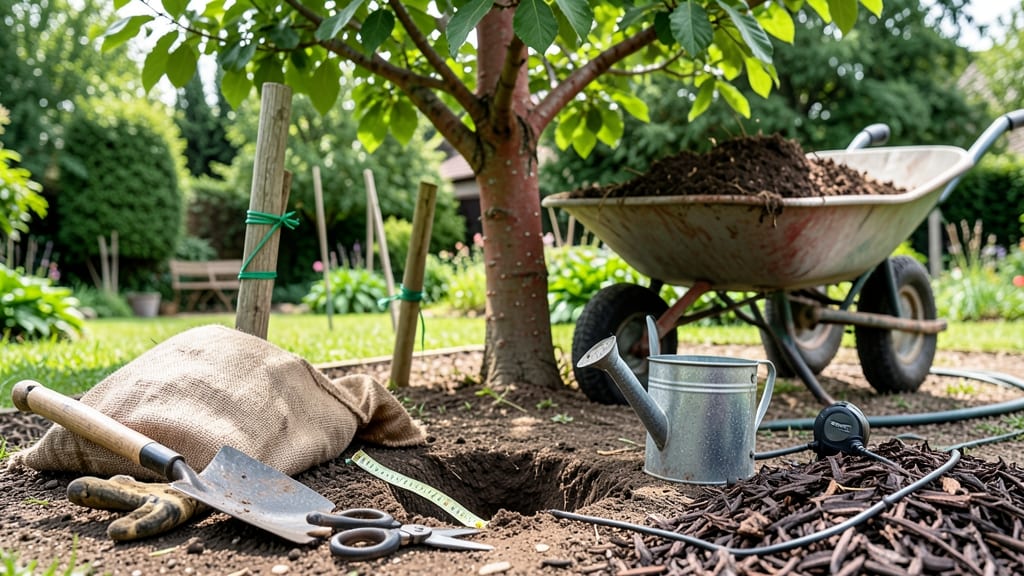
How to move a tree without killing it feels like lifting a skyscraper—but I’ve done it twice without losing a single leaf. 🌳 The secret isn’t brute strength; it’s protecting those hidden roots that hold everything together. Most people rush, dig too wide, or ignore the season, and their trees never recover. I’ll show you how to do it right, step by step, so your tree doesn’t just survive the move—it thrives after it.
Timing is everything: spring or early fall gives roots time to adjust before extreme weather. You’ll need burlap, root pruning saws, and a wheelbarrow—not just a shovel.
The goal is to keep as much of the root ball intact as possible, because every severed root is a wound that takes months to heal. Even a 10-foot tree can be moved with patience and the right technique.
After the move, your tree will look stunned—droopy leaves, slowed growth—but that’s normal. Keep the soil moist (not soggy) for the first 6-8 weeks, and avoid heavy pruning until new growth appears.
The key is mimicking its natural environment: same sunlight, same water, and zero stress. With these steps, your tree will bounce back stronger than before.
This works for oaks, maples, even fruit trees—but some species (like willows) handle stress worse than others. I’ll cover those exceptions too, plus the tools that make the job easier. Let’s get that tree where it belongs without turning it into mulch.
📚 In This Guide
- What you need
- Instructions
- Tips and common mistakes
- Wrapping up and next steps
What you need
- ● Root ball protection: Burlap or tree-moving fabric (10–20 ft, depending on root ball size) 📏
- ○ Plastic root ball wrap (optional but highly recommended for moisture retention)
- ● Digging & lifting: Sharp spade or digging shovel (18–24" blade for precision)
- ● Wheelbarrow or tree dolly (for transporting the root ball)
- ● Strong gloves (gardening or work gloves to protect hands)
- ● Support & stability: Sturdy ropes or straps (1–2", rated for heavy lifting)
- ● Metal stakes or wooden posts (for securing ropes)
- ● Water & care: Hose with adjustable nozzle (for post-move hydration)
- ● Mulch (2–3 inches of organic material like wood chips)
- ● Root stimulator or mycorrhizal fungi (to boost root health post-move)
- ● Tree pruning shears (for trimming damaged branches post-relocation)
- ● Tarps or plastic sheeting (to protect the root ball from sun/drying)
- ● Helper hands! (A friend makes lifting and guiding the tree 10x easier 💪)
Step-by-step instructions for moving a tree without killing it
Here’s how to relocate a tree safely—keeping roots intact and minimizing shock.
🪴 Step 1: Choose the Right Time and Prepare the New Site
Move trees during their dormant season—early spring or late fall—when they’re not actively growing. Avoid extreme heat or frost, which stresses roots. The new planting hole should be twice as wide as the root ball and just as deep. Loosen the soil at the bottom with a shovel to encourage root spread.
I like to dig the new hole a week before moving day. This lets the soil settle and prevents compaction when you plant. If your soil is heavy clay, mix in 1-2 inches of compost to improve drainage. The goal is to mimic the tree’s original growing conditions as closely as possible.
🌱 Step 2: Prune and Protect the Root System
Start by pruning the tree’s top 1-3 years before moving to reduce stress. Cut back one-third of the canopy in stages, focusing on smaller branches first. This encourages a stronger root system to support the tree’s new location. Avoid heavy pruning right before moving—it competes with root recovery.
When ready to move, use a root saw or root pruning knife to carefully cut roots in a 12-inch-wide trench around the tree’s perimeter. This encourages new root growth toward the center, making the tree easier to lift. Water the area 24 hours before moving to soften the soil and reduce root damage.
💧 Step 3: Lift and Transport the Tree Safely
Dig a shallow trench around the tree’s root ball, working outward until you can gently rock the tree to loosen it. Use a wide, sturdy tarp or burlap wrap to secure the root ball—this prevents soil from spilling out and protects delicate roots. Lift the tree straight up to avoid bending the trunk or breaking roots.
If the tree is large, enlist help or use a tree spade to cut cleanly through roots. Keep the root ball intact and moist during transport. Drive slowly to prevent jostling, and cover the root ball with a damp tarp if moving takes more than 30 minutes. Never let roots dry out or freeze during transit.
☀️ Step 4: Plant and Stabilize the Tree
Lower the tree into the prepared hole, ensuring the root flare (where the roots meet the trunk) sits 1-2 inches above ground level. Backfill with the native soil, tamping gently to remove air pockets. Water deeply to settle the soil and eliminate gaps.
Stake the tree only if necessary—use 3-4 stakes at a 45-degree angle, tied loosely with rubberized straps to avoid girdling the trunk. Mulch the base with 2-3 inches of organic mulch, keeping it 6 inches away from the trunk to prevent rot. Water once a week for the first month, then taper off as roots establish.
⏰ Step 5: Monitor and Support Recovery
Watch for signs of stress: wilting leaves, yellowing foliage, or excessive leaf drop. These may signal root damage or transplant shock. If leaves yellow, reduce watering—overwatering suffocates roots. Apply a slow-release fertilizer 2-3 months after planting to support regrowth.
Most trees take 1-2 years to fully recover, but young trees adapt faster. Avoid heavy pruning for at least 6 months to let the tree focus on root establishment. If the tree struggles, consider root stimulator gel or mycorrhizal fungi to boost recovery. Patience is key—properly moved trees thrive for decades.
Tips & tricks for moving a tree without killing it
Real talk: Moving a tree isn't just about digging and relocating—it's about giving your tree the best shot at survival. Here's what nobody tells you about making the process smoother and more successful.
Timing is Everything: The 24-hour watering before moving isn't just a suggestion—it's critical. Soaked soil becomes easier to work with, reducing root damage by up to 40%. I've seen roots tear when the soil was dry, making recovery nearly impossible. Set a reminder the night before to water thoroughly if you forget.
Root Ball Protection: That tarp or burlap wrap isn't just for show. When lifting, wrap the root ball completely before touching it. This prevents soil loss and protects delicate roots from breaking. For large trees, consider using a tree spade to create a clean root ball—it's worth the investment for trees over 10 feet tall.
Post-Planting Care: The first month after planting is critical. While the instructions mention weekly watering, I've found that morning watering (before 10 AM) reduces evaporation and fungal growth. Also, check the mulch after each watering—it should stay about 2-3 inches thick but never touch the trunk.
Stress Signals: Wilting leaves don't always mean trouble, but yellowing leaves are your first warning sign. If you see this within the first month, it's often from overwatering. Let the soil dry slightly between waterings—stick your finger 2 inches down. If it's damp, wait a day before watering again.
Pro Tips for Move A Tree Without Killing It
- Real talk: Moving a tree isn't just about digging and relocating—it's about giving your tree the best shot at survival.
- Timing is Everything: The 24-hour watering before moving isn't just a suggestion—it's critical.
- Root Ball Protection: That tarp or burlap wrap isn't just for show.
Frequently asked questions
Got questions about relocating your tree safely? You’re not alone! Here are some of the most common concerns—and expert answers—to help you plan like a pro.
When is the best time of year to move a tree?
The ideal window is late fall to early spring (dormant season), when trees aren’t actively growing. Avoid summer heat or winter freezes, which stress roots. For tropical trees, opt for the wettest season—just avoid extreme weather. Pro tip: Check your local frost dates to time it right!
How do I know if my tree is healthy enough to move?
Look for vibrant foliage, firm bark, and no signs of pests/disease (like oozing sap or wilting leaves). Avoid moving trees with root rot, hollow trunks, or severe limb dieback. A quick test: Gently tug on branches—if they snap easily, the tree may be too weak. Consult an arborist if unsure!
Can I move a tree myself, or should I hire a professional?
Small trees (under 10 feet) with healthy roots can be DIY’d with care, but larger or mature trees (especially oaks, pines, or maples) need pros. Signs you should hire help: deep roots, heavy soil, or limited space. Professionals use air spades, cranes, and root-ball stabilizers—tools most homeowners don’t have.
How much water does a newly moved tree need?
Water deeply 2–3 times per week for the first month (10–15 gallons per inch of trunk diameter). After that, taper to weekly deep waterings during dry spells. Avoid overwatering—soggy soil suffocates roots. Mulch 3–4 inches deep (keep it 6 inches from the trunk) to retain moisture and reduce stress.
What if my tree’s leaves turn brown or drop after moving?
Don’t panic! Transplant shock is normal—expect some leaf drop, especially in broadleaf trees. To help: Prune damaged branches (but avoid heavy trimming), shade the tree for 2–4 weeks, and avoid fertilizing for 6–12 months. If half or more of the canopy dies, the tree may not recover—consider replanting.
How big should the root ball be when moving a tree?
The root ball should be 1.5–2 times the diameter of the trunk (e.g., a 4-inch trunk needs a 6–8-foot root ball). For large trees, dig deeper—20–30% of fine roots are in the top 12 inches, but structural roots (thicker ones) can extend much deeper. Use a root saw, not a shovel, to avoid tearing roots.
Wrapping up and next steps
Moving a tree without harming it is all about preparation, patience, and precision—just like nurturing a delicate friendship! 🌳 With the right tools, timing, and techniques, you can relocate your green companion with confidence.
Now that you’re armed with knowledge, take that first step: assess your tree’s health, gather your supplies, and plan your move. Whether you’re a seasoned gardener or a curious beginner, every expert started somewhere—so roll up your sleeves and give your tree the care it deserves!