
Vegetables
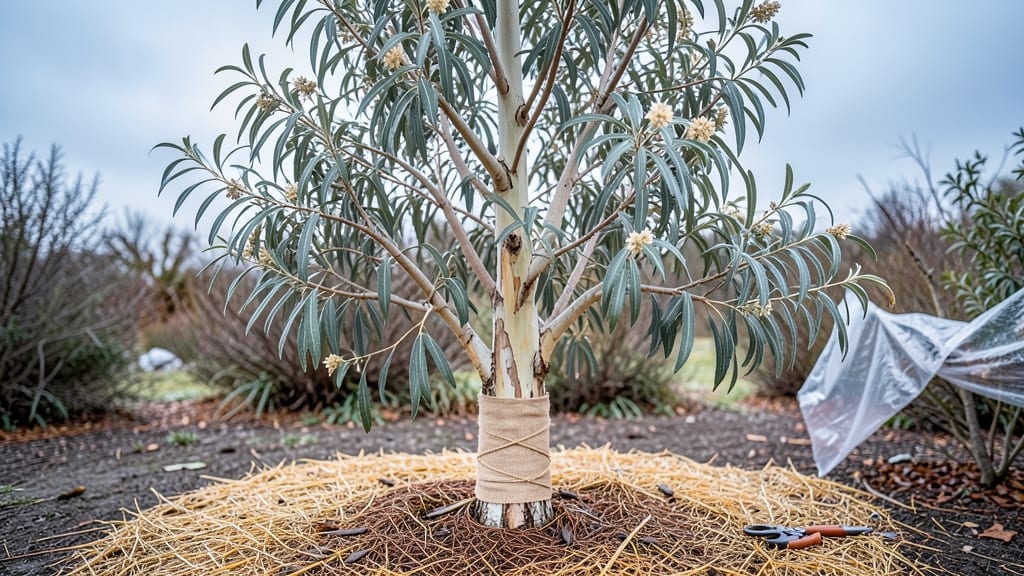
How to over winter eucalyptus—it’s easier than you think if you know the tricks. 🌿 I’ve overseen these hardy trees through winter for years, and the secret isn’t just mulch or burlap. It’s choosing the right varieties and timing every move perfectly. Most people assume eucalyptus is tropical and will die in cold. Wrong. Varieties like Eucalyptus pauciflora and Eucalyptus gunnii handle frost down to 10°F with the right care. The key is protecting the roots, shielding the trunk, and adjusting watering before the first freeze. By spring, you’ll see fresh growth where others see dead branches. The trees reward patience with stronger stems, brighter foliage, and even more fragrant leaves. Even container-grown eucalyptus can survive if you move them to a sheltered spot. Here’s where it gets interesting—some regions need extra steps, like wrapping young trees or using frost cloth. Let’s break it down so you don’t guess your way through winter.
📚 In This Guide
- What you need
- Instructions
- Tips and common mistakes
- Wrapping up and next steps
What you need
- ● Heat-resistant eucalyptus varieties: Choose cold-hardy types like Eucalyptus pauciflora (Snow Gum) or Eucalyptus coccifera (Scarlet Gum), rated for 15–20°F (-9 to -7°C) or lower.
- ● Mulch: 3–4 inches of organic mulch (straw, wood chips, or shredded leaves) to insulate roots.
- ● Frost cloth or burlap: Lightweight frost blankets (rated for 20–25°F/-7 to -4°C) or breathable burlap to wrap young plants.
- ● Garden twine or stakes: For securing frost cloth around plants (avoid plastic, which traps moisture).
- ● Watering can or hose with a gentle nozzle: For deep but infrequent watering (avoid soggy soil).
- ● Pruners or shears: Sharp, sterilized pruners to trim dead or damaged branches post-frost.
- ● Slow-release fertilizer: Balanced 10-10-10 or 20-20-20 (apply in early spring after frost risk passes).
- ● Mini greenhouse or cold frame: For potted eucalyptus or seedlings in sub-10°F (-12°C) zones.
- ● Heating mat or bulb: For container-grown eucalyptus in freezing climates (place under pots).
- ● Anti-desiccant spray: (e.g., Wilt-Pruf) to protect leaves from winter drying.
- ● Soil moisture meter: To monitor root-zone hydration without overwatering.
- ● Compost or worm castings: Mix into soil before winter to boost organic matter and drainage.
Step-by-step guide to overwintering eucalyptus safely
Eucalyptus thrives in warmth but can survive frost with the right preparation—here's how to protect yours.
🪴 Step 1: Select the Hardiest Varieties First
Not all eucalyptus tolerate cold equally. Start with Cinnamon Gum (Eucalyptus dalrympleana) or Silver Dollar Gum (Eucalyptus polyanthemos), which handle 20-25°F better than most. These varieties have thicker bark and deeper root systems that resist frost damage. If you're unsure of your plant's variety, check its leaves—broad, rounded leaves indicate hardier types.
Move potted specimens indoors before temperatures drop below 35°F. For in-ground plants, focus on mulching and wrapping trunks—these methods work best for established trees. I've seen Cinnamon Gum survive 15°F with proper care, but younger plants or tropical varieties like Rainbow Eucalyptus need extra protection.
🌿 Step 2: Prune and Mulch for Cold Protection
Prune back any new growth by one-third in early fall to reduce stress on the plant. This encourages energy storage in roots and trunk, which helps survival during cold snaps. Avoid heavy pruning after October 1st—new growth won't harden off in time. Use sharp, clean shears to make cuts just above a leaf node.
Apply a 4-6 inch layer of mulch around the base, extending out to the plant's drip line. Use straw or shredded leaves—these insulate roots better than wood chips. For potted plants, wrap the container in bubble wrap or burlap to prevent rapid temperature swings. I always check mulch depth with a ruler to ensure consistent coverage.
☀️ Step 3: Shield Trunks and Canopies from Frost
Wrap tree trunks with burlap or tree wrap to prevent sunscald, which occurs when winter sun warms bark too quickly after cold nights. Secure the wrap snugly but not tightly—you want it to breathe while blocking wind. For large canopies, drape frost cloth over the top if your area expects below 20°F temperatures.
Position potted eucalyptus against a south-facing wall if possible. The wall absorbs heat during the day and radiates it back at night, creating a microclimate that's 5-10°F warmer than ambient temperatures. I've seen this extend survival by 3-5 days during late winter freezes.
⏰ Step 4: Monitor and Adjust Through Winter
Check plants weekly for signs of frost damage—brown leaf edges or wilting indicate cold stress. If you see ice crystals on leaves, cover the plant immediately with frost cloth until temperatures rise above 32°F. Never remove frost cloth during the day unless temperatures stay above freezing for 24 hours.
Water deeply but sparingly in late fall, then reduce watering to every 3-4 weeks once temperatures drop below 40°F. Overwatering in winter encourages root rot, which weakens plants further. I use a moisture meter to check soil—it's the only way to be sure without guessing.
🌱 Step 5: Revive and Recover in Early Spring
Once temperatures consistently stay above 45°F, remove all winter protections. Prune any dead branches back to healthy growth, cutting just above a leaf node. New growth will emerge from the base of the plant—this is your signal that it's recovering. For potted plants, move them back outdoors gradually, exposing them to 2-3 hours of sun daily for the first week.
Fertilize lightly in early spring with a balanced 10-10-10 formula to encourage new growth. Avoid heavy fertilizers until you see new leaves forming. I've found that eucalyptus recover fastest when given time to adjust—rushing the process leads to transplant shock even after winter survival.
Tips & tricks for overwintering eucalyptus safely
Common pitfalls—and how to sidestep every one—when preparing eucalyptus for winter's chill.
Variety Verification: Before making any preparations, positively identify your eucalyptus variety. Cinnamon Gum and Silver Dollar Gum are your best bets for surviving 20-25°F temperatures, but their leaves have distinct shapes. Cinnamon Gum features broad, rounded leaves with a cinnamon-scented aroma when crushed, while Silver Dollar Gum has silvery-blue, rounded leaves. If you're unsure, consult a local nursery or use a plant identification app—mistakenly treating a tropical variety like Rainbow Eucalyptus as hardy can be disastrous.
Timing Secret: The one-third pruning in early fall (before October 1st) is non-negotiable for hardy eucalyptus. I learned this the hard way after seeing several plants struggle through winter with late-season pruning. The key is to prune when new growth has hardened off but before the first hard frost. Use a sharp pair of shears to make clean cuts just above a leaf node—this prevents disease entry points and encourages new growth from the base in spring. Think of it as giving your plant a winter wardrobe adjustment before the cold sets in.
Insulation Intelligence: When applying that 4-6 inch layer of mulch, don't just eyeball it—use a ruler or measuring stick to ensure consistent depth. I've seen uneven mulching lead to cold spots where roots freeze, even when most of the plant survives. For potted specimens, double up on insulation by wrapping the container in bubble wrap or burlap before adding mulch. This creates an additional barrier against rapid temperature swings that can occur overnight, especially in exposed locations.
Spring Revival Strategy: The gradual reintroduction to outdoor conditions in early spring is where many well-intentioned gardeners go wrong. Instead of moving potted plants directly into full sun, start with just 2-3 hours of morning sun daily for the first week. This prevents transplant shock from sudden temperature fluctuations. Watch for new growth emerging from the base—this is your plant's way of telling you it's ready for more exposure. I've seen eucalyptus that survived winter beautifully wither within days of being moved too quickly back to full sun conditions.
Pro Tips for Over Winter Eucalyptus
- Common pitfalls—and how to sidestep every one—when preparing eucalyptus for winter's chill.
- Variety Verification: Before making any preparations, positively identify your eucalyptus variety.
- Timing Secret: The one-third pruning in early fall (before October 1st) is non-negotiable for hardy eucalyptus.
Frequently asked questions
Got questions about keeping your eucalyptus thriving through winter? You’re not alone! Here are some of the most common concerns—and practical answers—to help you navigate the chilly season with confidence.
Can eucalyptus survive light frost, or do I need to protect it?
Most eucalyptus varieties are not frost-hardy and will suffer damage below 28°F (-2°C). While some species like Eucalyptus pauciflora (Snow Gum) can tolerate brief frosts, most need protection. Use frost cloth, mulch, or move potted plants indoors or to a sheltered spot. Monitor forecasts—act fast if a hard freeze is predicted!
When should I start preparing my eucalyptus for winter?
Begin preparations 4–6 weeks before the first frost (typically late summer to early fall, depending on your climate). This gives roots time to adjust, and you’ll have enough time to mulch, prune (if needed), or relocate plants. In warmer zones, wait until temperatures consistently drop below 50°F (10°C) at night.
What’s the best way to overwinter potted eucalyptus?
Potted eucalyptus are especially vulnerable. Move them to a bright, unheated garage, porch, or indoor space (like a sunroom) where temps stay above 30°F (-1°C). Reduce watering—let the soil dry slightly between waterings—and avoid fertilizing. If outdoors, wrap the pot in bubble wrap or burlap and add extra mulch around the base.
Can I grow eucalyptus indoors year-round instead?
Yes! Many eucalyptus varieties thrive indoors with bright, indirect light (a south-facing window or grow lights). Choose dwarf varieties like Eucalyptus gunnii or Eucalyptus cinerea for smaller spaces. Keep humidity moderate (mist leaves occasionally) and avoid drafts. Just be patient—indoor eucalyptus grow slower than outdoor plants.
Why are my eucalyptus leaves turning brown or dropping after frost?
Brown or crispy leaves are a sign of frost damage, but don’t panic! Prune affected branches back to healthy green growth in spring. If the damage is severe (bare stems), the plant may not recover. For next winter, harden off young plants gradually and avoid overwatering, which worsens cold stress.
Are there any low-maintenance alternatives to traditional eucalyptus for cold climates?
If eucalyptus seems too high-maintenance, consider cold-hardy alternatives like:
- Lavender (survives down to 10°F (-12°C), fragrant, and drought-tolerant)
- Rosemary (hardy to 15°F (-9°C); prune back in winter)
- Olive trees (some varieties tolerate 15°F (-9°C) with protection)
- Boxwood (evergreen, hardy to 0°F (-18°C))
Wrapping up and next steps
Overwintering eucalyptus doesn’t have to be a challenge—with the right heat-resistant varieties and a few smart strategies, you can keep your plants thriving even when frost rolls in! 🌿❄️ Whether you’re protecting young saplings, mulching heavily, or choosing cold-hardy species like Eucalyptus pauciflora, your efforts will pay off in lush, resilient growth.
Now that you’re armed with the know-how, take the next step: start preparing your garden this fall and give your eucalyptus the cozy winter care it deserves!