
Picking
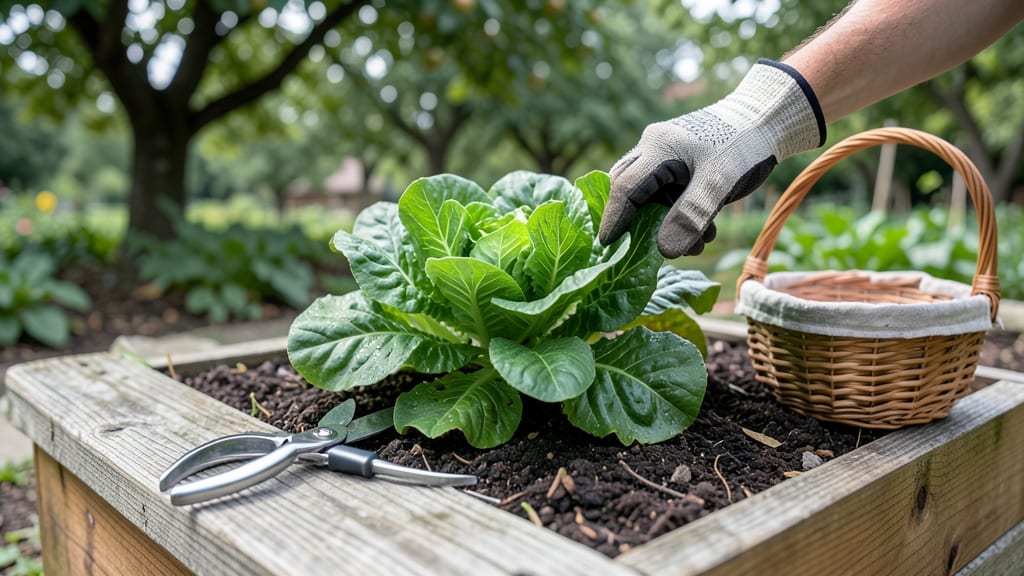
Your lettuce isn’t just food—it’s how to pick lettuce so it keeps growing, a self-replenishing green machine waiting to be mastered. ✂️ The "cut-and-come-again" method turns one harvest into a season-long supply, but most people either yank the whole plant or pick too aggressively.
I've been using this technique for five years, and my butterhead lettuce now produces three harvests where others get one.
The secret lies in precision: always snip the outer leaves first, leaving the inner heart intact. You're not harvesting the plant—you're giving it a haircut. Use clean scissors or shears, cut just above a leaf node, and leave at least half the plant standing.
Romaine and loose-leaf varieties bounce back fastest, but even head lettuce will regrow if you're gentle.
By mid-summer, you'll be harvesting every 7-10 days without sacrificing growth. The key is consistency: water deeply after each pick, mulch to keep roots cool, and fertilize lightly with compost tea. Your lettuce becomes a renewable resource instead of a one-time crop.
This works for any leafy green—spinach, kale, even Swiss chard. The only rule? Never take more than one-third of the plant at once. Here's how to do it right the first time.
📚 In This Guide
- What you need
- Instructions
- Tips and common mistakes
- Wrapping up and next steps
What you need
- ● Lettuce plants: 3–6 mature heads (or a single large head for experimentation), preferably loose-leaf or butterhead varieties (they regrow best!).
- ● Sharp scissors or pruning shears: 1 pair (clean, sterilized blades to prevent disease—think dull knives are the enemy!).
- ○ Gloves (optional but recommended): 1 pair (nitrile or gardening gloves to protect from dirt and thorns).
- ● Watering can or hose with a gentle nozzle: 1 (for post-harvest hydration—no soggy roots!).
- ● Fertilizer (balanced or high-nitrogen): 1 small bag or liquid concentrate (e.g., 10-10-10 or fish emulsion).
- ● Mulch (straw or shredded leaves): 1–2 inches (to retain moisture and protect regrowing leaves).
- ● Harvest basket or container: 1 (to collect cut leaves without crushing them).
- ● pH test kit: 1 (to check soil pH—lettuce loves 6.0–7.0).
- ● Shade cloth (30–50% coverage): 1 roll (if harvesting in hot climates to prevent bolting).
- ● Compost or worm castings: Small bag (for a nutrient boost after harvesting).
- ● Label markers: 1–2 (to track harvest dates and varieties if experimenting).
Step-by-Step instructions for cut-and-come-again lettuce harvesting
Here's the exact method I use to harvest lettuce repeatedly without sacrificing future growth.
🌿 Step 1: Identify the Right Lettuce Varieties
Not all lettuce responds to cut-and-come-again harvesting. Leaf lettuces like butterhead, romaine, and looseleaf varieties regrow best after cutting. Avoid head lettuces like iceberg or crisphead—they bolt after any disturbance. Look for seed packets labeled "cut-and-come-again" or "baby leaf" for guaranteed success.
I always plant 4-6 varieties in my garden to ensure continuous harvests. The key is selecting types with fast regrowth cycles (3-4 weeks). Check the seed packet for "days to maturity"—you want varieties that reach 30-50 days for full-size leaves but regrow quickly after cutting.
✂️ Step 2: Harvest Outer Leaves First
Wait until the plant has 4-6 mature outer leaves before your first harvest. These leaves should be 4-6 inches long and fully developed. Using clean, sharp scissors or pruning shears, cut just above a leaf node (the point where leaves attach to the stem). This encourages new growth from the remaining base.
Never remove more than 1/3 of the plant at once. You'll see the remaining leaves continue growing, and new leaves will begin emerging from the center within 7-10 days. If you harvest too aggressively, the plant will bolt (send up a flower stalk) and stop producing leaves.
🌱 Step 3: Maintain Consistent Harvesting Schedule
After your first harvest, wait until the plant produces another 4-6 new leaves before cutting again. This typically takes 2-3 weeks depending on temperature and sunlight. Consistency is key—harvesting at the same time each week trains the plant to regrow predictably.
I set a reminder for every 10-14 days to check my lettuce. If you notice the plant getting leggy (stems stretching toward light), it's time to harvest. Leaving too many old leaves shades the new growth and slows regrowth. Always cut from the outside inward to protect the tender center leaves.
💧 Step 4: Optimize Growing Conditions for Regrowth
Lettuce regrows best in cool weather (50-75°F). If temperatures rise above 80°F, the plant will bolt quickly. Provide afternoon shade during hot spells using a 30-50% shade cloth. Keep the soil consistently moist but never soggy—lettuce roots need steady water to support regrowth.
Fertilize lightly after each harvest with a balanced liquid fertilizer (10-10-10) diluted to half strength. Over-fertilizing causes bitter leaves and rapid bolting. I mix a teaspoon of fertilizer in a gallon of water and apply it directly to the soil surface, avoiding the leaves. Follow up with a light watering to help nutrients absorb.
☀️ Step 5: Extend the Harvest Season Strategically
To keep harvesting through summer, plant succession crops every 2-3 weeks. Use shade cloth to protect new seedlings from intense sun. In fall, remove shade cloth as days shorten. Lettuce thrives in cool-season conditions, so late summer and early fall plantings often produce the most consistent regrowth.
I mark my calendar for two key planting windows: early spring (4-6 weeks before last frost) and late summer (8-10 weeks before first frost). This double planting ensures a continuous supply of fresh lettuce. When harvesting slows in late fall, I transition to cold-hardy varieties like winter density or arctic king that tolerate light frosts.
Tips & tricks for perfect cut-and-come-again lettuce harvesting
Real talk: The difference between a lettuce plant that keeps producing and one that bolts prematurely often comes down to these small but critical details.
The Right Time is Everything: In Step 1, when you're checking for those 4-6 inch leaves with 3-4 mature leaves, focus on the bottom leaves first. These are your best indicators of readiness—they should be fully formed and crisp, not still tender. I’ve learned the hard way that harvesting too early starves the core, and you’ll end up with a plant that refuses to regrow. If the center looks hollow or yellowing, it’s not ready yet—wait another day.
Precision Cutting Prevents Stress: When you’re making that first cut in Step 2, use clean, sharp scissors or a knife to avoid tearing the plant. Cutting just above the lowest set of leaves leaves the growing point intact, which is where all future growth happens. I’ve seen gardeners accidentally sever the core, and that’s a one-way ticket to bolting. Think of it like trimming your hair—you want to leave the roots healthy so new growth can happen.
Sunlight and Water Balance: The 4-6 hours of sunlight daily mentioned in Step 3 is non-negotiable, but protecting your lettuce from intense afternoon heat (above 85°F) is just as important. If your lettuce starts bolting, it’s often a sign of too much sun or not enough water. Try providing afternoon shade with a simple cloth or moving potted lettuce to a more sheltered spot. And when watering, always check the soil ½ inch below the surface—consistently moist but not soggy is the golden rule.
Fertilizer Timing Matters: After your first harvest, applying a balanced liquid fertilizer (like 10-10-10) at half strength in Step 4 is a game-changer. But here’s what nobody tells you—too much fertilizer can cause bitter taste and rapid bolting. I’ve ruined batches by overdoing it, so always apply it directly to the soil, avoiding the leaves. And if growth stalls after fertilizing, check your soil pH—lettuce thrives in 6.0-7.0. A simple soil test kit is worth the investment for this alone.
Pro Tips for Pick Lettuce So It Keeps Growing
- Real talk: The difference between a lettuce plant that keeps producing and one that bolts prematurely often comes down to these small but critical details.
- The Right Time is Everything: In Step 1, when you're checking for those 4-6 inch leaves with 3-4 mature leaves, focus on the bottom leaves first.
- Precision Cutting Prevents Stress: When you’re making that first cut in Step 2, use clean, sharp scissors or a knife to avoid tearing the plant.
Frequently asked questions
Got questions about keeping your lettuce thriving after harvest? You’re not alone! Here are answers to the most common queries—so you can enjoy fresh, homegrown greens all season long.
How do I know when my lettuce is ready to harvest?
Lettuce is ready when it reaches about 4–6 inches tall and the leaves are firm but still tender. For loose-leaf varieties, pick outer leaves when they’re 4–5 inches long. For head lettuce, harvest when the head feels full but still soft—never wait until it bolts!
Can I harvest lettuce in the morning or evening?
Yes! Harvesting in the early morning (when leaves are crisp) or late evening (when temps are cooler) helps lettuce stay fresher longer. Avoid midday heat, which can wilt leaves faster. Pro tip: Use sharp scissors or a knife to minimize damage to the plant.
What if my lettuce bolts after harvesting?
Bolting (sending up flower stalks) happens when lettuce gets stressed—often from heat, drought, or age. To prevent it:
- Harvest early and often (cut-and-come-again method).
- Keep soil consistently moist (not soggy!).
- Use shade cloth in hot climates.
- Choose heat-tolerant varieties like ‘Black Seeded Simpson’ or ‘Jericho.’
Can I regrow lettuce from store-bought heads?
Rinse a store-bought head, trim the base, and place it in 1 inch of water in a shallow dish. Keep it in bright, indirect light and change the water every 2–3 days. New leaves should sprout in 1–2 weeks—just avoid bolting by harvesting outer leaves first!
Why does my lettuce taste bitter after harvesting?
Bitter flavor often means your lettuce is stressed or overmature. To fix it:
- Harvest young leaves before they get tough.
- Avoid drought or extreme heat—lettuce prefers cool weather.
- Try shade cloth if your climate gets too hot.
- Pick in the morning for the sweetest taste!
Wrapping up and next steps
Picking lettuce the right way isn’t just about getting a fresh salad—it’s about encouraging your plants to thrive! By mastering the cut-and-come-again technique, you’ll enjoy a steady harvest while keeping your greens happy and productive.
Start small, stay consistent, and watch your garden reward you with bountiful, crisp lettuce all season long.
Ready to put your new skills to work? Grab your shears and head to the garden today! 🌱 With a little practice, you’ll be a lettuce-picking pro in no time.