
Picking
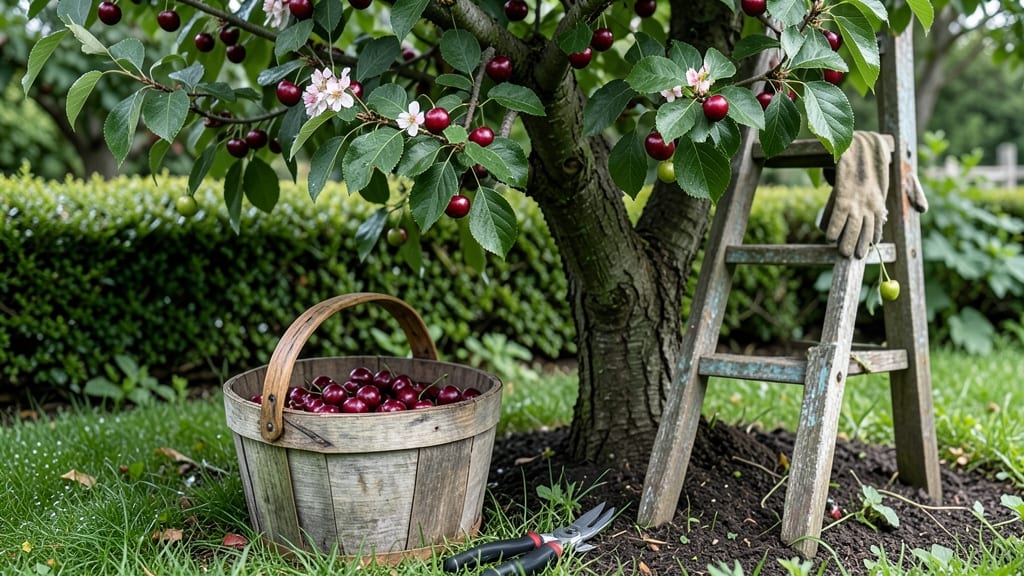
Sweet cherries taste like summer magic—how to pick them when you nail the timing, every bite is pure reward. 🌿 The difference between mealy disappointment and juicy perfection comes down to three simple checks: color, stem, and a gentle squeeze.
I’ve spent years picking cherries, and these tests cut my waste by half while guaranteeing flavor that makes the harvest worth the effort.
First, time it right: mid-morning after the dew dries is ideal, when temperatures hover around 70°F. The cherries should roll off the tree with a slight tug—no force needed.
Bright red or deep purple (depending on variety) is a good start, but the real test is the stem: it should separate cleanly from the branch, leaving a tiny stem cap on the fruit. If it resists or snaps, wait another day.
Here’s the secret move: pick into a soft cloth or shallow bin—never toss them directly into buckets. A single drop can bruise cherries faster than you can eat them. Store them in the fridge, unwashed, for up to a week, or eat them within 24 hours for peak sweetness.
The first handful you taste will either make you grin or send you back to the tree for round two.
Troubleshooting is easy: underripe cherries taste tart and hard; overripe ones leak juice when squeezed. If you’re harvesting for pies, you can pick slightly underripe and let them ripen indoors—but for fresh eating, precision pays off.
A good harvest means fewer trips to the store and more time enjoying the fruit of your labor.
📚 In This Guide
- What you need
- Instructions
- Tips and common mistakes
- Wrapping up and next steps
What you need
- ● Basket or Harvest Bag (1-2) – Lightweight, breathable, and with a handle for easy carrying. Look for mesh or perforated bags to prevent bruising.
- ○ Gloves (Optional but Recommended) – Thin, flexible gardening gloves to protect your hands from thorns and stains.
- ● Small Knife or Pruners (1) – A sharp, small-handled knife or pruning shears (with a 4-6" blade) for cutting stems cleanly. Avoid dull tools—cherries bruise easily!
- ● Water Bottle (1) – Staying hydrated is a must, especially on sunny days.
- ● Sunscreen & Hat (Non-Negotiable!) – SPF 30+ and a wide-brimmed hat to shield from UV rays while you’re out in the orchard.
- ● Portable Scale (1) – If you’re selling or tracking yield, a lightweight digital scale (0.1 oz precision) comes in handy.
- ● Cherry Picking Pole (1-2) – Extendable poles (6-8 ft) with a basket or hook for high branches (great for tall trees!).
- ● Cooling Container (1) – A small insulated cooler with ice packs to preserve cherries if you’re transporting them home.
- ● Camera or Phone with Macro Mode – Snap pics of the best-looking cherries for later reference (or bragging rights!).
Step-by-step guide to harvesting perfectly ripe sweet cherries
Here's how to tell when cherries are truly sweet and ready for picking—no guesswork involved.
🍒 Step 1: Observe the Color Change
Sweet cherries ripen from green to a deep, vibrant color—usually dark red, purple, or black depending on the variety. Look for uniform color across the entire fruit, not just patches. Some varieties like Bing or Rainier develop a yellowish tint when fully ripe, so check your specific type's mature color first.
Don't rely solely on color though—some cherries stay greenish even when ripe. Instead, use color as your first clue and combine it with other tests. I always pick a few early to taste, then use that as my benchmark for the rest of the tree.
🌿 Step 2: Check Stem Separation
The classic "stem pull test" is your best indicator. Gently grasp the cherry between your thumb and forefinger and give it a firm but gentle upward tug. A ripe cherry will separate cleanly from the stem with just slight resistance—almost like it's begging to be picked.
If the cherry stays attached while the stem pulls out of the tree, it's not ready yet. This happens because the fruit hasn't fully developed its pectin and sugars. Wait another day or two and test again. Overripe cherries will squish easily between your fingers, so time your harvest carefully.
💧 Step 3: Perform the Squeeze Test
Take a ripe-looking cherry and give it a light squeeze between your fingers. It should yield slightly but not feel mushy. Think of it like pressing a ripe peach—just enough give to know it's ready, but still firm enough to handle. Underripe cherries will feel hard and unyielding, while overripe ones will crush between your fingers.
This test works best when the cherries are warm from the sun. Early morning harvests might feel slightly firmer because they haven't reached peak ripeness yet. If you're picking in the heat of the day, the cherries will naturally be softer—just use this as a relative comparison between fruits.
☀️ Step 4: Time Your Harvest for Peak Flavor
Sweet cherries are most flavorful when picked in the morning after a warm day. The sun's warmth during the day helps develop sugars, while cooler night temperatures preserve them. Avoid picking after heavy rain—wet cherries bruise easily and develop mold.
Most sweet cherry varieties ripen over 2-3 weeks, so plan to check your tree every 2-3 days once they start changing color. I set a reminder on my phone for the first few pickings to avoid missing the window. Cherries won't ripen further after picking, so timing is everything.
Tips & tricks for perfectly ripe cherry picking
Real talk: Picking cherries isn't just about grabbing fruit off a tree—it's about knowing exactly when they're at their peak. Here's what nobody tells you about getting the sweetest harvest.
Variety Matters: Different cherry types ripen at different rates, even on the same tree. Bing cherries, for example, develop that signature yellowish tint when fully ripe, while Rainier cherries turn a deep red. I always pick a few samples from each variety first to establish my personal benchmark for sweetness. This prevents you from ending up with a mixed bag of underripe and overripe cherries in the same bucket.
Harvest Timing Secret: The morning after a warm day is your golden window for picking. The sun's daytime warmth helps develop those natural sugars, while cooler night temperatures lock them in. I've learned this the hard way—picking after a rainy day once left me with cherries that were more waterlogged than sweet. If you must pick in the heat of the day, focus on the shadier side of the tree where fruits stay cooler and firmer.
Tool Upgrade: Don't just use your hands! A small pruning shears or cherry picking tool gives you better leverage and prevents bruising. I keep a pair of sharp scissors in my pocket when I'm harvesting—it's worth the investment for large trees. For small trees or bushes, you can still use your fingers, but be extra gentle to avoid crushing the delicate fruit. And always bring a couple of large containers with you—you'll be surprised how quickly those cherries add up!
Storage Wisdom: Once you've harvested, handle cherries with care. Place them in a single layer in shallow containers to prevent bruising, and store them in the refrigerator for up to 5 days. For longer storage, you can freeze them whole (unwashed) on a baking sheet before transferring to a freezer bag. I always wash cherries right before using them to preserve that fresh-picked flavor. And here's a pro move: leave the stems on until you're ready to eat or cook—they help maintain freshness longer.
Pro Tips for Pick Sweet Cherries
- Real talk: Picking cherries isn't just about grabbing fruit off a tree—it's about knowing exactly when they're at their peak.
- Variety Matters: Different cherry types ripen at different rates, even on the same tree.
- Harvest Timing Secret: The morning after a warm day is your golden window for picking.
Frequently asked questions
about picking sweet cherries—because even experts have doubts! Here are answers to the most common queries to help you snag the juiciest, ripest cherries every time.How do I know if cherries are ripe enough to pick?
Ripe cherries should be fully colored (deep red, purple, or yellow, depending on the variety), with a slight give when gently squeezed. Avoid picking cherries that are still greenish or rock-hard—they won’t sweeten up, even if left on the tree! Pro tip: Taste one if possible—sweetness is the ultimate test.
What’s the best time of day to pick cherries?
Early morning is ideal because cherries are coolest and firmest, preserving their texture and flavor. Picking in the late morning or early afternoon works too, but avoid midday heat, which can make cherries softer and more prone to bruising. If you’re picking for a recipe, harvest just before using for peak freshness!
Can I pick cherries too early or too late?
Yes! Picking too early means tart, underripe cherries that won’t soften or sweeten. Picking too late risks overripe cherries—soggy, fermented, or attracting pests like birds and insects. Check the tree daily during peak season (usually June–July in most regions) for the perfect balance of color, firmness, and that irresistible aroma.
What should I do if my cherries are still hard after picking?
Hard cherries are often underripe and won’t soften much after picking. Try storing them in a paper bag with a banana or apple for 1–2 days—the ethylene gas will speed up ripening. If they stay firm, they’re best for baking (like pies or jams) where extra cooking time helps. Pro tip: Avoid refrigerating until fully ripe to prevent mold.
Are there any alternatives if I can’t find sweet cherries at the store?
If fresh sweet cherries are scarce, try frozen pitted cherries (thaw before using) or sour cherries (like Montmorency), which work well in sauces or baked goods. For a budget-friendly swap, red grapes or plums can mimic sweetness in some recipes. Just adjust cooking times—sour cherries need extra sugar!
Wrapping up and next steps
Picking the perfect sweet cherry is all about trusting your senses—color, stem, and the gentle squeeze are your best tools! With these simple tricks, you’ll always snag the juiciest, ripest fruit for snacks, desserts, or savory dishes. 🍒✨
Now that you’re a cherry-picking pro, grab a basket and head to your nearest orchard or farmers’ market. Share your newfound skills with friends or even start a cherry-picking adventure—because the sweetest rewards come from knowing exactly what you’re doing!