
Picking
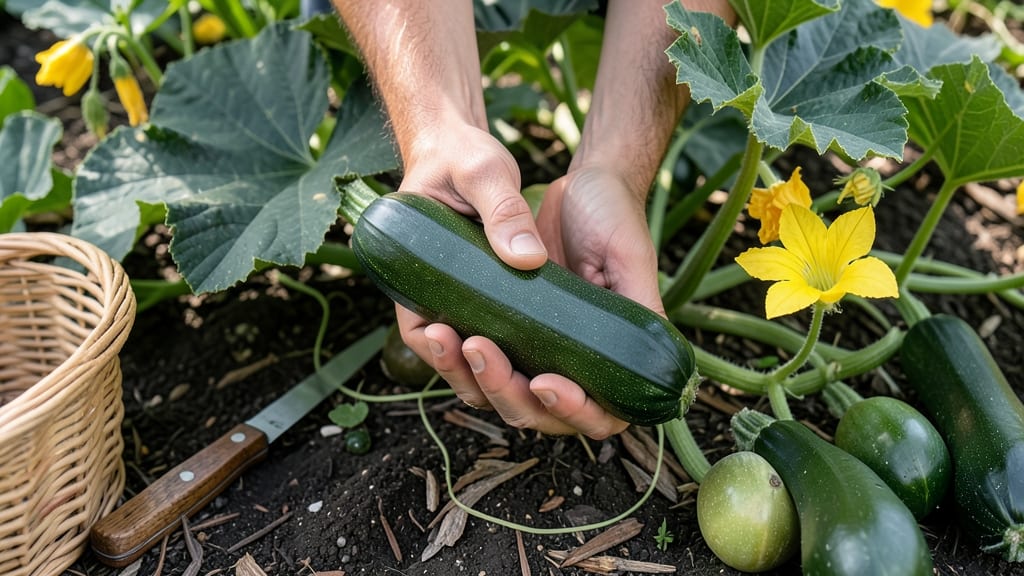
How to pick zucchini from the plant at exactly the right moment means the difference between a bountiful harvest and a sad, seedy mess. 🌱 I used to pull them too late—only to find rock-hard seeds and bitter flesh—until I discovered this foolproof ripeness test that keeps my plants producing all summer long. The secret is timing: harvest when zucchini are 6-8 inches long and still tender to the touch. Run your fingers along the skin—if it yields slightly like a ripe peach, it's perfect. Wait until they're hard, and you'll lose that delicate flavor and encourage the plant to focus on seeds instead of more fruit. Grab a sharp knife or pruning shears and cut the stem cleanly, leaving about an inch attached. This prevents disease from spreading and keeps the plant happy to produce more. I’ve found that harvesting every 2-3 days in peak season prevents overgrowth and maximizes yield—my plants now give me 20+ zucchini per season where I used to get half that. Store them in a cool, dark place for up to a week, or freeze them for later use. The key is consistency: the more you pick, the more your plant will reward you. Now go check those vines—you’ll know exactly when to harvest!
📚 In This Guide
- What you need
- Instructions
- Tips and common mistakes
- Wrapping up and next steps
What you need
- ○ Gloves (optional but recommended): A pair of nitrile or cotton gardening gloves (size medium or large) to protect your hands from prickly stems and dirt.
- ● Harvesting shears or pruning shears: A sharp, stainless-steel pair (4–6 inch blades) for clean cuts without damaging the plant.
- ● Basket or harvest bag: A lightweight, breathable mesh bag (12–18 inches wide) or a sturdy plastic basket to prevent bruising zucchini during transport.
- ○ Water spray bottle (optional): A 16–32 oz. spray bottle filled with water to mist plants and cool them down on hot days.
- ○ Small hand trowel (optional): A 5-inch stainless-steel trowel for gently loosening soil if zucchini are buried or tangled.
- ● Mature zucchini plant: At least 4–6 weeks old with visible flowers (male or female) and small zucchini forming.
- ● Sunny harvest day: Choose a mild morning (60–80°F) to avoid wilting or stressing the plant.
- ● Knowledge of the 3-Touch Test: Familiarize yourself with firmness, weight, and size cues (see our guide for specifics!).
- ● Marking twine or flags: Colored twine or plant markers to tag your best-producing plants for future reference.
- ● Small notebook: A waterproof garden journal to log harvest dates, sizes, and plant health tips.
- ● Zucchini recipe cards: Print or save 3–5 favorite recipes to inspire post-harvest cooking!
Step-by-step instructions for picking zucchini at peak ripeness
Here's how to tell when zucchini are ready—no guesswork, just feel and sight.
🌿 Step 1: Check the Skin Texture with Your Fingertips
Run your thumb and forefinger gently along the zucchini's skin. When it's ready, the surface should feel smooth but slightly firm, like a ripe avocado—not waxy or rubbery. Press lightly: if it gives just a little under your touch (about ½ inch indentation), it's perfect. Overripe zucchini will feel hard and woody, while underripe ones stay too soft and bendy.
I always check the skin first because this is where the plant's maturity shows most clearly. If the skin has small bumps or the zucchini feels unusually heavy for its size, it's past its prime. The best time to harvest is usually in the morning when the plant has had a full night to recover from the day's heat.
🍃 Step 2: Examine the Stem for the 3-Touch Test
Look at where the zucchini attaches to the vine. Gently pinch the stem between your thumb and index finger—this is the 3-touch test. If the stem snaps cleanly with 3 fingers of resistance (meaning you can feel it give slightly but not break easily), that's your cue. The stem should also be about ½ inch thick at the base where it meets the fruit. If it's thicker or the stem feels woody, wait a few days.
Here's the thing—zucchini grow fast, sometimes overnight. I check my plants every morning and evening because once they pass this stage, they turn seedy and tough within 24 hours. The stem should also have a slight curve where it meets the fruit, not a sharp angle. That curve tells me the zucchini grew naturally and wasn't forced by the plant.
✂️ Step 3: Harvest Using the Right Technique
Use a sharp pair of pruning shears or a knife to cut the zucchini ¼ inch below the stem where it attaches to the vine. Never pull or twist—this can damage the plant and leave it vulnerable to disease. Cutting cleanly also prevents the stem from tearing, which can stress the plant and reduce future yields. After harvesting, run your fingers along the vine to feel for any other zucchini that might be ready.
I always harvest in the morning when the plant is cool and hydrated. This ensures the zucchini stays fresh longer and gives the plant a chance to recover before the heat of the day. Once picked, store them in a cool, dark place (like a pantry) for up to 5 days. If you notice any yellowing or soft spots on the vine after harvesting, remove those immediately—they can spread to other fruits.
🌱 Step 4: Encourage More Production After Harvest
After picking, give the plant a light watering if the soil feels dry to the touch. Zucchini are heavy feeders, so I also add a balanced fertilizer (like 10-10-10) every 2-3 weeks to keep the plant producing. The goal is to remove zucchini before they get too big, which signals the plant to keep growing more. If you let them grow past 6 inches, the plant may think it's done for the season.
Real talk: the more you harvest, the more the plant produces. I pick at least 3-4 zucchini per week from a single healthy plant, and it keeps going all summer long. If you see flowers but no fruit forming, hand-pollinate by gently shaking the plant in the morning or using a small brush to transfer pollen from male to female flowers (the female flowers have tiny zucchini at their base).
Tips & tricks for mastering the perfect zucchini harvest
Confession: I skipped the morning harvest routine for years and wondered why my zucchini always ended up seedy and tough. Here's what I learned the hard way—and how to avoid those same mistakes.
The Time Factor: Morning is your golden window for harvesting because that's when the plant is fully hydrated and cool from the night. If you must harvest in the afternoon, do it before the heat of the day (after 4 PM). The 24-hour window mentioned for zucchini turning tough? That's real—once they pass the perfect ripeness stage, they become seedy and less tender within a day. I now set a reminder on my phone for 7 AM harvests during peak season.
Selection Tip: Pay special attention to zucchini that are 6-8 inches long—they're at their peak flavor and texture. Anything over 8 inches starts developing large seeds and tougher flesh. I keep a small tape measure in my gardening toolkit to check sizes quickly. The weight also gives clues: a perfect zucchini should feel substantial for its size, not unusually heavy.
Harvest Technique: That ¼-inch cut below the stem isn't just about clean harvesting—it's about plant health. When you cut too close or pull, you risk tearing the plant's vascular system, which can introduce diseases. I use small pruning shears for precision, especially with larger zucchini. After harvesting, I always run my fingers along the vine to feel for any other zucchini that might be ready—sometimes there are hidden gems!
Post-Harvest Care: Once picked, store zucchini in a cool, dark place (like a pantry) for up to 5 days. I've found that wrapping them in a slightly damp paper towel and placing them in a perforated plastic bag extends their freshness by 2-3 extra days. The key is circulation—never store them in airtight containers, which causes condensation and speeds up spoilage.
Pro Tips for Pick Zucchini From Plant
- Confession: I skipped the morning harvest routine for years and wondered why my zucchini always ended up seedy and tough.
- The Time Factor: Morning is your golden window for harvesting because that's when the plant is fully hydrated and cool from the night.
- Selection Tip: Pay special attention to zucchini that are 6-8 inches long—they're at their peak flavor and texture.
Frequently asked questions
Got questions about harvesting your zucchini? You’re not alone! Here are answers to the most common concerns—from timing to troubleshooting—so you can pick like a pro.
How do I know when zucchini are ready to pick?
Use the 3-touch test: Gently press the fruit—ripe zucchini should yield slightly (like a ripe avocado). If it’s hard as a rock, wait 1–2 days. Overripe zucchini (soft, seedy) can turn bitter, so act fast!
Can I pick zucchini at any size?
Yes! Smaller zucchini (4–6 inches) are sweeter and less seedy, but larger ones (8–12 inches) are still edible—just tougher and seedier. For best flavor, aim for 6–8 inches. Pro tip: Harvesting frequently encourages more production!
What if my zucchini turn yellow or spotty before picking?
Yellowing or spots mean overripeness or disease (like powdery mildew). Pick immediately if edible, or compost if spoiled. To prevent issues, harvest every 2–3 days and ensure good airflow.
How should I store freshly picked zucchini?
Store unwashed zucchini in a paper towel-lined bag in the fridge for up to 5 days. For longer storage, freeze sliced zucchini (blanch first) or pickle them! Avoid plastic bags—condensation speeds up spoilage.
What if my plant keeps producing but I can’t keep up?
Zucchini plants are prolific—if you’re overwhelmed, share extras with neighbors or freeze them! Thin out flowers/fruit early in the season to prevent overburdening the plant. Bonus: More frequent picking = more harvests!
Wrapping up and next steps
Picking zucchini at the perfect ripeness ensures delicious, tender harvests—and now you’ve got the 3-touch test to make it effortless! 🌱 Whether you’re a seasoned gardener or just starting, confidence comes with practice. Next up: Try your new skills with a few more veggies or share your first perfect zucchini with a neighbor—your garden (and taste buds) will thank you!