
Shrubs
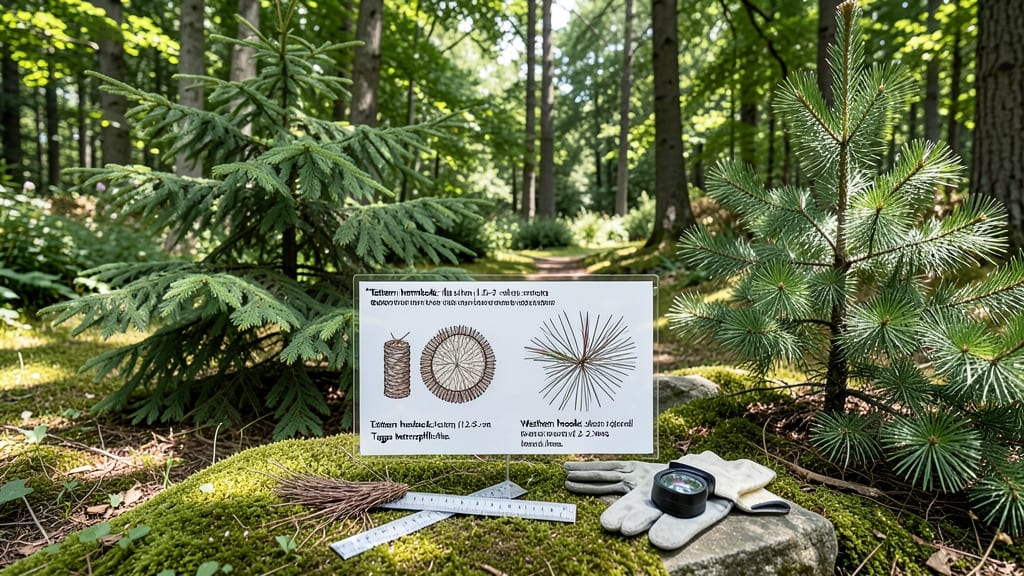
One look at how to identify hemlock (Conium maculatum) and you’ll know why gardeners call it "the deadliest plant in the yard." 🌿 This biennial weed looks eerily similar to Queen Anne’s lace or wild carrot, but its purple-spotted stems and fern-like leaves hide a deadly secret: just one leaf can poison a child or pet.
I’ve seen it pop up in my own garden beds, and I learned the hard way how easy it is to mistake it for something harmless.
The first clue is the stems—purplish with distinct white spots, almost like a warning label. Next, check the leaves: they’re deeply lobed and arranged in a fern-like pattern, but they lack the delicate, lacy texture of Queen Anne’s lace.
Finally, smell it: hemlock has a musty, unpleasant odor, while its look-alikes often have a sweet, carrot-like scent. If you’re unsure, don’t touch—the sap can cause skin irritation.
Hemlock thrives in disturbed soil, like garden edges or along fences, so keep an eye out there. If you suspect exposure—even from touching the plant—wash skin immediately and seek medical help if ingested.
Symptoms like dizziness or vomiting can appear within 20 minutes, so act fast. A little vigilance now prevents a trip to the emergency room later.
Pull it out root and all (wear gloves!) and dispose of it in sealed trash—never compost. The roots are just as toxic as the rest of the plant. Once you spot these three clues, hemlock won’t fool you again. Stay sharp, and your garden stays safe.
📚 In This Guide
- What you need
- Instructions
- Tips and common mistakes
- Wrapping up and next steps
What you need
- ● Gloves (nitrile or leather) – Protects your hands from sap, thorns, or skin irritation (1 pair).
- ● Handheld magnifying glass (10x magnification) – Helps examine leaf details, bark texture, and stem features closely.
- ○ Field guide or plant ID app (optional but helpful) – Apps like iNaturalist or PictureThis can cross-reference your findings.
- ● Small pruning shears or knife – For safely collecting leaf/bark samples (sterilized with rubbing alcohol).
- ● Notebook & pen – Jot down observations like leaf shape, height, and habitat.
- ● Camera or smartphone – Capture high-res photos of the plant’s entire structure, leaves, and bark from multiple angles.
- ○ Safety goggles (optional but recommended) – Protects eyes if pruning near your face or handling thorny plants.
- ● Ruler or measuring tape – Record plant height and stem diameter for precise identification.
- ● Plastic bags or ziplock bags – Store leaf/bark samples for later comparison with experts.
- ● GPS or mapping tool – Note the plant’s exact location if you’re exploring wild areas.
- ● First-aid kit – Include antihistamines (for allergic reactions) and a washcloth (to clean sap off skin).
How to identify hemlock: a gardener’s visual guide
This is the moment you’ll want to recognize hemlock instantly—because one look can save your garden (and your pets).
🌿 Step 1: Examine the Leaf Structure for the Classic Triple Pattern
Hemlock’s leaves grow in three distinct sections: the stem, the petiole, and the leaflets. The leaflets are what trip up gardeners—they’re oval-shaped, toothed edges, and arranged in a pinnate pattern (like fingers on a hand). Unlike ferns or parsley, hemlock’s leaflets never cluster in fern-like fronds.
Run your fingers along the stem—you’ll feel three distinct sections where each leaflet meets the central stem. This is your first clue. Hemlock’s leaflets also have a slightly waxy texture, unlike the softer feel of mint or the rougher edges of wild carrot.
🌱 Step 2: Check the Stem and Root for Purple Spots and Hollow Centers
Break off a small stem near the base—if it’s hollow or purple-speckled, you’ve found hemlock. This is a dead giveaway. The stems are smooth but brittle, snapping easily when bent. Unlike the fibrous stems of Queen Anne’s lace or the woody stems of wild parsnip, hemlock’s stems lack strength.
Dig carefully at the base (if safe) to check the root structure. Hemlock roots are taproots with a musty odor when crushed—think celery gone bad. This smell alone can confirm your suspicion before you even see the leaves.
✂️ Step 3: Look for the Tiny White Flowers and Seed Clusters
In late spring, hemlock produces small, flat-topped clusters of white flowers that resemble Queen Anne’s lace but are less dense. These flowers grow in umbrella-like shapes (umbels) but never reach the size of wild carrot’s. If you see these flowers, do not touch—hemlock’s toxins are most concentrated in the roots and seeds.
Later in the season, the flowers turn into spiky seed clusters that resemble tiny, dried-up dandelions. Unlike milkweed’s fluffy seed pods, hemlock’s seeds are hard and clustered tightly around the stem. If you spot these near your garden, mark the area and avoid disturbing it.
🚨 Step 4: Compare to Common Look-Alikes (And Why Mistakes Are Deadly)
Hemlock’s most dangerous doppelgängers are wild carrot (Queen Anne’s lace) and wild parsnip. Wild carrot has a single purple flower in its center (hemlock’s flowers are all white), and its leaves are lacy and finely divided. Wild parsnip’s leaves are yellow-green and deeply lobed, with thick, yellow stems—hemlock’s stems are green or purple-speckled.
Here’s the thing—one bite of hemlock can be fatal. If you’re unsure, take a photo and consult a local botanist or extension service. Never rely on memory—hemlock’s visual cues are subtle, and mistakes happen in the heat of weeding season.
💧 Step 5: Test for Toxicity (Safely)
If you’ve narrowed it down but still need confirmation, do not ingest or burn the plant. Instead, crush a small leaf between your fingers—hemlock releases a bitter, almond-like scent (though not all varieties smell strongly). The key is the combination of leaf structure, stem color, and flower shape—never one clue alone.
For peace of mind, dig up a small section (wearing gloves) and take it to a nursery or garden center. Staff there will confirm it for you—and you’ll sleep better knowing your garden is safe.
Tips & tricks for identifying hemlock with confidence
When it comes to spotting hemlock, the devil is in the details—and missing even one can have deadly consequences. Here’s how to sharpen your eye for the most dangerous plant in your garden.
Leaf Texture is Key: In Step 1, when examining the leaflets, pay extra attention to their arrangement and texture. Hemlock’s leaflets should feel slightly waxy—almost like a fresh parsley leaf—but never fuzzy or hairy. Run your thumb along the edge: hemlock’s leaflets have fine, serrated teeth, not smooth or lobed edges. This texture difference is subtle but critical when distinguishing from wild carrot or parsley.
Stem Strength Test: The stem check in Step 2 is your best defense against false positives. When you bend a hemlock stem, it should snap cleanly with minimal resistance. Unlike Queen Anne’s lace, which has fibrous stems, hemlock’s stems lack structural integrity. Pro tip: If you’re still unsure after the snap test, look for purple speckling along the stem—this is a hallmark of hemlock that’s often overlooked.
Seasonal Visual Cues: Timing matters when identifying hemlock. In late spring, focus on the white flower clusters mentioned in Step 3—these are your first warning sign. Later in the season, watch for the spiky seed heads that resemble dried-up dandelions. Unlike milkweed’s fluffy seed pods, hemlock’s seeds stay tightly clustered. Mark these areas immediately and avoid disturbing them until you’ve confirmed the plant’s identity with a professional.
Safety First: Never rely on a single clue—especially when dealing with a plant as toxic as hemlock. The combination of triple-patterned leaves, hollow stems, and musty odor from the roots is what makes identification foolproof. When in doubt, take photos from multiple angles and consult a local botanist. Your garden—and your pets—will thank you.
Pro Tips for Hemlock How To Identify
- When it comes to spotting hemlock, the devil is in the details—and missing even one can have deadly consequences.
- Leaf Texture is Key: In Step 1, when examining the leaflets, pay extra attention to their arrangement and texture.
- Stem Strength Test: The stem check in Step 2 is your best defense against false positives.
Frequently asked questions
Got questions about identifying hemlock? You’re not alone!
Here are some of the most common concerns gardeners and outdoor enthusiasts have when it comes to spotting this toxic plant—and how to stay safe.
How can I tell the difference between hemlock and other similar-looking plants like parsley or wild carrot?
Hemlock (both Conium maculatum and Tsuga species) has distinct features: water-hemlock has purple-spotted stems and fern-like leaves in threes, while eastern hemlock (a tree) has flat, needle-like leaves and a strong scent when crushed. Parsley and wild carrot have yellow flowers and lacy leaves in groups of 3—hemlock’s leaves are smooth, hairless, and lack the delicate frilly edges. When in doubt, don’t touch or taste it!
What should I do if I accidentally touch or ingest hemlock?
Hemlock is highly toxic—even brushing against it can cause skin irritation. If ingested, seek emergency medical help immediately. Symptoms include dizziness, nausea, seizures, or respiratory failure. Keep children and pets away from suspected hemlock patches. Never rely on "old wives' tales" like rubbing the plant on a cut to test toxicity—this is dangerous!
When is the best time of year to identify and remove hemlock?
The ideal time to spot and remove hemlock is early spring or fall when the plant is actively growing but before it spreads seeds. Look for new shoots or purple-stemmed growth in spring. In summer, the toxic sap is most concentrated, so wear gloves and long sleeves if you’re pulling it. Never burn hemlock—burning releases toxic fumes.
Are there any safe alternatives to hemlock for gardening or landscaping?
If you’re trying to replace hemlock in your yard, consider non-toxic, native alternatives like eastern white pine, dogwood, or serviceberry. For ground cover, wild ginger or foamflower are great options. Always check with local nurseries for region-specific, low-maintenance plants that won’t harm wildlife or pets.
What tools do I need to safely remove hemlock from my property?
For small patches, wear heavy gloves, long sleeves, and goggles. Use a shovel or garden fork to dig out roots (hemlock regrows from root fragments!). For larger infestations, consider vinegar-based herbicides (20% acetic acid) or professional removal. Bag and dispose of all plant material in sealed trash—never compost it.
Wrapping up and next steps
Identifying hemlock is a crucial skill for gardeners and outdoor enthusiasts—knowing the difference between this toxic plant and edible look-alikes can protect you and your loved ones. 🌿 By focusing on its serrated leaves, purple spots, and strong scent, you’ll confidently spot hemlock before it becomes a hazard.
Now that you’re equipped with these 3 key visual clues, take the next step: share this knowledge with fellow gardeners or explore local plant safety resources to keep your green spaces—and adventures—safe!