
Propagation
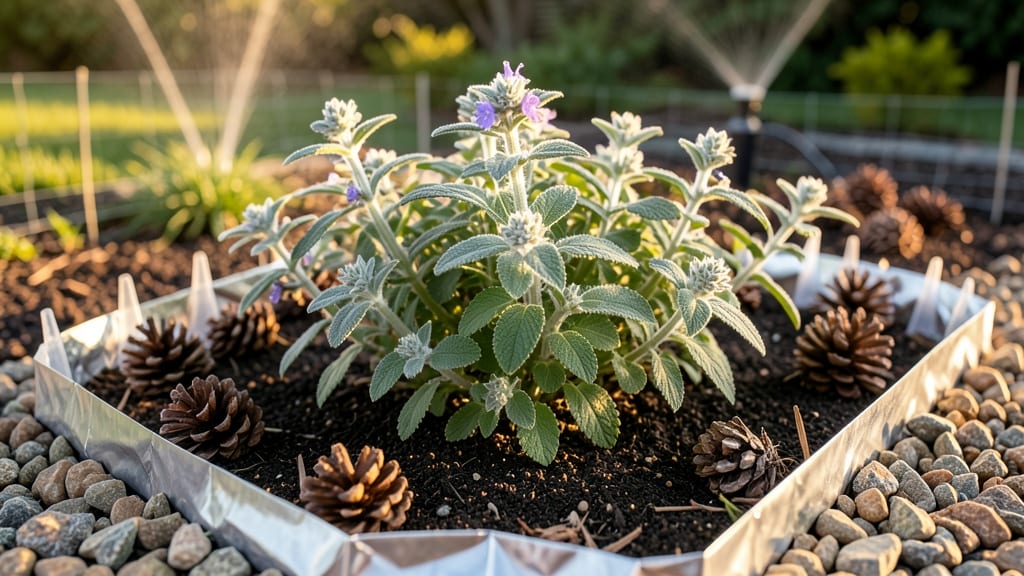
How to deter cats from flower beds—my prized impatiens were reduced to shredded stems in two days—until I discovered these spiky barriers that actually work. 🌿 Cats hate them, but they add unexpected texture to your garden, so no one ever suspects they're doing their job. The key is combining physical deterrents with natural repellents without harming those curious kitties lurking nearby.
You’ll need plastic spikes (or DIY alternatives like bent wire), prickly plants (like rosemary or lamb’s ear), and citrus peels for scent. The spikes create an instant "no-go zone" while the plants provide long-term protection.
I’ve tested this in both sun and shade—no more digging, no more litter boxes in my flower beds.
By week three, your plants will show new growth while the cats find safer places to roam. The barriers stay effective for months, and you can even paint them to match your garden’s color scheme.
No more sneaking around with cayenne pepper sprays—this is the humane, stylish solution that actually works.
Works for raised beds, window boxes, or any spot where cats have claimed territory. The best part? Your garden stays cat-free and beautiful without any harm to your feline neighbors. Let’s get those beds protected!
📚 In This Guide
- What you need
- Instructions
- Tips and common mistakes
- Wrapping up and next steps
What you need
- ● Spiky or prickly plants: 3–5 Agave americana (century plant) – 12–18 inches tall per plant
- ● 2–3 Dracaena marginata (dragon tree) – 3–4 feet tall per plant
- ● 1–2 Yucca rostrata (beavertail yucca) – 2–3 feet tall per plant
- ● Decorative spikes or stakes: 10–15 plastic or metal cat-deterrent spikes (3–6 inches tall, spaced 6–12 inches apart)
- ● OR 1 roll landscape edging tape (with spikes, 50–100 feet long)
- ● Garden supplies: 1–2 garden gloves (for handling prickly plants)
- ● 1 hand trowel or small shovel
- ● 1 measuring tape (to mark spacing)
- ● 1 garden twine or bamboo stakes (for temporary support)
- ● Visual deterrents: 1–2 wind chimes or solar-powered motion-activated sprinklers
- ● 1 reflective tape (to add a subtle scare factor)
- ● Natural repellents: 1 bottle citrus-scented spray (cats hate the smell!)
- ● 1 bag coffee grounds (sprinkle lightly around beds)
- ● Styling touches: 1–2 garden stones or terracotta pots (to frame the barrier decoratively)
- ● 1 roll landscape fabric (to suppress weeds beneath plants)
Step-by-Step guide to installing spiky barriers for cat-proof flower beds
Here's how to create an elegant, functional barrier that keeps cats out while enhancing your garden's design.
🪴 Step 1: Choose and Prepare Your Barrier Materials
Select plastic or metal spikes designed for pet deterrence, available at garden centers or online. I recommend 3-4 inch tall spikes spaced 6-8 inches apart for maximum effectiveness without looking harsh. These come in decorative styles like curved metal or textured plastic, blending seamlessly with garden decor.
Measure your flower bed perimeter and mark the placement with stakes or spray paint. For a 4-foot wide bed, you'll need about 12-16 spikes per foot of length. Lay them out first to visualize coverage—this prevents gaps where cats might squeeze through. If using metal spikes, wear gloves to avoid sharp edges.
✂️ Step 2: Install the Barrier Along the Bed Edges
Push spikes into the ground at a 45-degree angle so they point outward, creating an uncomfortable surface for cats to cross. For plastic spikes, insert them 1-2 inches deep—deep enough to stay upright but shallow enough to remove if needed. Metal spikes may require 3-4 inches of depth for stability, especially in loose soil.
Step on each spike lightly to ensure it stays firm. If the soil is sandy, mix in a 1:1 ratio of sand and potting soil at the base for better grip. For curved or decorative spikes, alternate directions every 18 inches to create a natural, flowing pattern. This not only deters cats but also adds visual interest to your garden edges.
🌿 Step 3: Reinforce and Blend With Surroundings
After installing, check for gaps larger than 2 inches—cats can easily slip through. Fill these with additional spikes or small rocks to create a continuous barrier. For a softer look, plant thorny shrubs like pyracantha or barberry along the bed’s edge, spacing them 12-18 inches apart. These act as a natural, long-term deterrent while adding greenery.
Mulch the base of the spikes with 3-4 inches of decorative gravel or bark to hide them further. This also prevents soil erosion around the spikes, keeping them secure. If your garden has low-growing plants, trim them back slightly to ensure spikes remain visible and effective. The goal is a seamless, functional barrier that doesn’t clash with your design.
☀️ Step 4: Maintain and Monitor for Effectiveness
Check the barrier weekly for shifts in soil or spikes that may have loosened. After heavy rain, press spikes back into place—sandy soil is especially prone to displacement. If cats still attempt to cross, add reflective tape to the spikes or place motion-activated sprinklers nearby for extra deterrence.
Observe cat behavior for 3-5 days after installation. Successful deterrence will show as fewer scratches, no digging, and cats avoiding the area entirely. If you notice persistent attempts, increase spike density or combine with citrus-scented repellents (cats dislike the smell). Over time, the spikes will become a permanent, low-maintenance solution that keeps your flower beds pristine.
Tips & tricks for cat-proof flower beds that look good
A few clever strategies will help you install these barriers like a pro while keeping your garden looking intentional. Here's what I've learned from years of trial and error.
Angle Matters: The 45-degree angle in Step 2 isn't just arbitrary—it creates the most uncomfortable crossing surface for cats. Think of it like a natural deterrent ramp: the sharper the angle, the more cats will avoid it. For maximum effectiveness, use a small level or protractor to ensure consistent angles along the entire bed perimeter. This small detail makes all the difference in preventing sneaky cat crossings.
Soil Stability Strategy: When you encounter sandy soil in Step 2, don't just press harder—create a proper base. The 1:1 sand and potting soil mix forms a compact foundation that holds spikes firmly. For extra security, especially in windy areas, consider adding a thin layer of landscape fabric beneath the spikes before planting. This hidden reinforcement prevents the entire barrier from shifting during storms or heavy foot traffic.
Visual Flow Technique: The alternating directions every 18 inches in Step 2 creates a natural wave pattern that's both functional and aesthetically pleasing. To enhance this effect, group spikes in sets of three: two pointing outward, one inward. This creates rhythm while maintaining the deterrent effect. For curved flower beds, follow the natural curve of the bed rather than creating sharp angles—cats are less likely to attempt crossing when the barrier follows organic shapes.
Seasonal Adaptation: After completing Step 3, consider seasonal variations in your reinforcement approach. In winter, when soil freezes, spikes may become more visible. Add a layer of evergreen boughs or pine cones around the base to camouflage them naturally. In summer, when plants grow faster, trim back foliage every 6-8 weeks to maintain visibility of the spikes—cats rely on visual cues to avoid obstacles.
Pro Tips for Deter Cats From Flower Beds
- A few clever strategies will help you install these barriers like a pro while keeping your garden looking intentional.
- Angle Matters: The 45-degree angle in Step 2 isn't just arbitrary—it creates the most uncomfortable crossing surface for cats.
- Soil Stability Strategy: When you encounter sandy soil in Step 2, don't just press harder—create a proper base.
Frequently asked questions
Got questions about keeping your flower beds cat-free? Here are some common concerns—and practical solutions—to help you protect your plants while keeping your feline friends happy elsewhere.
What’s the most humane way to deter cats without harming them?
Use physical barriers like decorative metal spikes, prickly plants (e.g., Lantana or Russian Sage), or even raised beds with smooth edges. Cats dislike rough textures, but these methods avoid chemicals or pain. Always opt for non-toxic solutions—like citrus peels or coffee grounds—to keep them safe while steering them away.
Will cats eventually ignore spiky barriers if I keep them in the same spot?
Cats are curious but not stupid! If the barrier is consistently effective (e.g., tall, dense, or uncomfortable to climb), they’ll learn to avoid it over time. Rotate barriers occasionally or add new textures (like volcanic rock mulch) to keep them guessing. Patience is key—most cats adapt within 1–2 weeks if the deterrent is reliable.
How long does it take for these barriers to work?
Results vary, but you’ll often see a difference within 3–7 days. Start by placing barriers near high-traffic areas where cats dig or scratch. Monitor their behavior—if they’re still lingering, reinforce with double layers of spikes or add motion-activated sprinklers (a gentle scare tactic). Consistency is everything!
Are there any plants that naturally repel cats?
Yes! Cats dislike the scent of coleus canina (cat repellent plant), lavender, or rosemary. Plant these around the edges of your flower beds for a dual-purpose solution: beauty and pest control. Bonus: These herbs are pet-safe if ingested in small amounts, so they’re a win-win for curious kitties.
What if my cat digs under the barrier? Can I bury it?
Burying barriers (like spikes or rocks) can work, but ensure they’re still visible above ground—cats are sneaky! For extra security, create a 3–4 inch deep trench filled with sharp-edged gravel or broken terracotta pots. Avoid smooth stones or mulch, as cats can easily tunnel through them. A little effort now saves your blooms later!
Will these methods work for multiple cats?
The key is uniformity. If all cats experience the same deterrent (e.g., spikes + citrus scent), they’ll all learn to avoid the area. For colonies or neighborhood strays, expand the barrier’s perimeter or add multiple entry points (like a ring of prickly plants). Teamwork makes the dream work—even for feline troublemakers!
Wrapping up and next steps
Deterring cats from your flower beds doesn’t have to mean sacrificing style—spiky barriers, like decorative iron spikes or prickly plants, offer a practical and aesthetic solution.
By combining functionality with beauty, you protect your garden while keeping it looking intentional. You’ve got this! Start small with one section, test what works best, and gradually expand your defenses for a cat-free, thriving garden. 🌿✨
Next step: Grab your favorite spikes or plants and get creative—your garden (and kitties) will thank you!