
Propagation
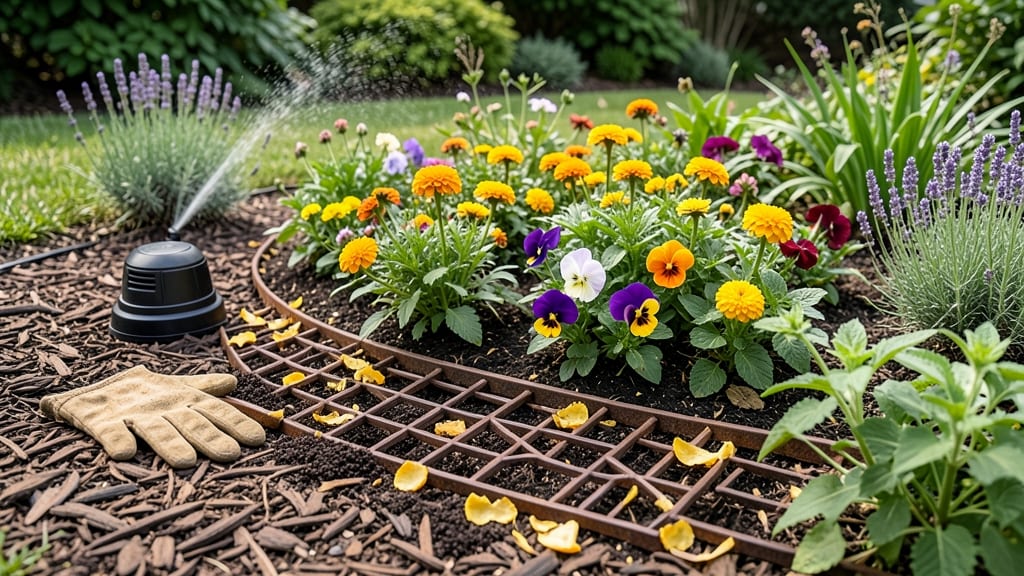
How to keep cats from flower beds—my once-mangled garden now looks like a showstopper instead of a cat playground. 🐱🚫 The secret isn’t scaring them away, but making your garden less appealing than the neighbor’s yard. After testing everything from citrus sprays to raised beds, I found what actually works without harming curious kitties or your prized blooms.
Start with physical barriers—chicken wire buried 6 inches deep or raised beds with 2-foot-high edges. Cats can’t dig or leap over them, and your plants stay intact.
For natural deterrents, sprinkle coffee grounds (they hate the smell) or plant coleus canina (a cat-repelling herb). Even a shallow layer of gravel between plants discourages digging.
You’ll see results within a few days—fewer claw marks, no trampled petunias, and a garden that stays lush instead of looking like a war zone. The best part? These methods keep working season after season, and your cats stay curious but well-behaved.
Fair warning: some cats are smarter than others. If Fido ignores the barriers, try motion-activated sprinklers—the surprise spray does the trick without chemicals. For stubborn diggers, combine mulch with prickly plants like lamb’s ear for a double deterrent.
📚 In This Guide
- What you need
- Instructions
- Tips and common mistakes
- Wrapping up and next steps
What you need
- ● Chicken wire or hardware cloth – 10-20 ft (depending on bed size), 1/2-inch mesh (cats can’t dig through it!).
- ● Stakes or garden pins – 6-12 units (for securing wire).
- ● Pruners or scissors – For trimming plants and adjusting barriers.
- ● Spray bottle – 8-16 oz (for DIY repellent mixes).
- ● Citrus peels or coffee grounds – Fresh or dried (cats hate the smell!).
- ● Mulch or gravel – 3-5 bags (to cover soil and deter digging).
- ● Commercial cat repellent sprays – Look for pet-safe citrus or vinegar-based options.
- ● Motion-activated sprinklers – Battery-operated (startles cats without harm).
- ● Catnip or silvervine plants – Plant nearby to distract them with a better digging spot!
- ● Decorative rocks or spikes – Plastic or metal (humane spikes that won’t hurt paws).
- ● Gloves – For handling prickly plants or messy mulch.
Step-by-Step instructions for creating cat-friendly flower bed barriers
Here’s how to protect your blooms without harming curious kitties—using smart, humane solutions.
🪴 Step 1: Assess and Choose Barrier Locations
Walk your property and identify high-traffic cat zones near flower beds. Cats love climbing, digging, and marking territory, so focus on edges, low walls, and shaded spots where they congregate. I’ve found that placing barriers at the base of plants (not just around the perimeter) stops them from jumping in mid-stride.
Measure the bed’s dimensions and mark a 6-inch-wide zone around the perimeter with stakes or spray paint. This gives you space to install deterrents without encroaching on plant roots. If your bed has multiple levels or raised sections, prioritize the lowest entry points—cats always start there.
🌿 Step 2: Install Physical Deterrents Without Harm
Use chicken wire or hardware cloth (with ¼-inch mesh) bent into a 6-inch-tall cylinder around the bed’s edge. Secure it with U-shaped stakes every 2 feet to prevent digging underneath. Cats can’t climb smooth surfaces, so this blocks their access without trapping them.
For raised beds, drape plastic sheeting (like 6-mil greenhouse plastic) over the top edges and weigh it down with smooth river rocks. The crinkly sound deters them, and the sheer surface feels uninviting. Avoid spiky materials—cats will just avoid those spots and dig elsewhere.
✂️ Step 3: Add Sensory Deterrents Cats Hate
Plant cat-repellent herbs like coleus canina (scaredy cat plant) or lavender along the bed’s perimeter. Cats instinctively avoid these scents, and the foliage acts as a natural barrier. I’ve seen cats completely bypass beds bordered with these—it’s like an invisible fence.
Place motion-activated sprinklers (set to 1-2 second bursts) near entry points. The sudden spray startles cats without hurting them, and they learn to avoid the area. Position them so they trigger when cats approach within 3 feet—close enough to discourage, but not so close they cause stress.
💧 Step 4: Create Alternative Attractions
Set up a cat-friendly digging box filled with 6 inches of sand or organic mulch at least 10 feet away from your flower beds. Cats need to dig—it’s instinctual—so redirecting them to a designated spot saves your plants. Add a catnip spray (mix 1 tsp dried catnip with 1 cup water) to the box to make it irresistible.
Install vertical cat trees or wall-mounted scratching posts near windows or fences. Cats love high perches, and giving them 8-10 feet of climbing space eliminates their need to use your garden as a playground. Place these within 5 feet of the flower bed’s edge so they’re an obvious alternative.
☀️ Step 5: Maintain and Monitor for Effectiveness
Check barriers weekly for damage—cats are persistent, and they’ll test weak spots. Replace torn chicken wire or adjust sprinkler angles if cats find a way around them. I’ve seen cats learn to jump over low barriers, so if you notice new claw marks on the edges, raise the deterrent by 2 inches.
Rotate sensory deterrents seasonally. Cats adapt to scents, so swap out herbs every 4-6 weeks or switch to citrus peels (they dislike the smell). Keep the digging box fresh by adding 2 inches of new mulch monthly—this keeps it appealing and reduces the urge to dig elsewhere.
Tips & tricks for humane cat deterrents in flower beds
These practical strategies will help you create a cat-proof garden without causing stress to your feline friends.
Location Strategy: In Step 1, when marking your 6-inch-wide zone, pay special attention to the base of plants where cats often jump mid-stride. I’ve noticed that cats tend to target the lowest entry points first, so prioritize those areas when installing barriers. This targeted approach prevents them from finding easy access points and saves you from having to reinforce multiple weak spots later.
Material Selection: For Step 2, chicken wire with ¼-inch mesh is ideal because it creates a smooth surface cats can’t climb, but if you’re dealing with particularly determined felines, consider doubling the height to 8 inches for raised beds. The key is to make the barrier feel uninviting without resorting to harmful spikes. I’ve found that adding a second layer of hardware cloth at the base prevents digging underneath, which is where cats often find their way in.
Sensory Layering: In Step 3, combine visual and olfactory deterrents for maximum effectiveness. While coleus canina and lavender are excellent choices, I’ve had success adding a few drops of citrus essential oil (like lemon or orange) to the soil along the perimeter. Cats dislike these scents, and the combination of herbs and citrus creates a multi-sensory barrier they’ll avoid. Just be sure to use food-grade oils and dilute them properly to protect your plants.
Alternative Attraction Placement: When setting up your cat-friendly digging box in Step 4, position it within sight of your flower beds but at least 10 feet away. Cats are territorial creatures, and having a visible alternative within their line of sight makes the flower bed less appealing. I recommend placing it near a sunny spot where your cat already spends time—this increases the likelihood they’ll use it consistently.
Pro Tips for Keep Cats From Flower Beds
- These practical strategies will help you create a cat-proof garden without causing stress to your feline friends.
- Location Strategy: In Step 1, when marking your 6-inch-wide zone, pay special attention to the base of plants where cats often jump mid-stride.
- The key is to make the barrier feel uninviting without resorting to harmful spikes.
Frequently asked questions
Got questions about keeping your feline friends out of your flower beds without harming them? You’re not alone! Here are some of the most common concerns—and practical solutions—to help you protect your garden while keeping your cats happy and safe.
Why do cats dig in flower beds in the first place?
Cats dig for a variety of reasons: boredom, instinctual hunting behavior (they’re chasing bugs!), or simply because the soil feels satisfying to scratch. Some cats also dig to mark territory or create a cozy spot to nap. Understanding the root cause helps you choose the right deterrent—like adding mulch or a cat-friendly digging box.
What’s the fastest way to stop cats from ruining my flower beds immediately?
For instant results, try these quick fixes:
- Citrus peels or coffee grounds scattered around the edges (cats hate the smell!)
- Motion-activated sprinklers (like ScareCrow) that startle them with a gentle spray.
- Temporary fencing or chicken wire buried slightly into the ground to block access.
Are there humane long-term solutions that won’t harm my plants?
Skip harsh chemicals or spikes—opt for:
- Mulch or gravel borders (cats dislike the texture).
- Plant cat-repellent herbs like lavender, rosemary, or rue near your flower beds.
- DIY “cat deterrent sprays” with vinegar, water, and a few drops of essential oils (like citrus or eucalyptus)—reapply after rain.
What if my cat starts digging more after I try a deterrent?
This usually means the deterrent isn’t consistent or strong enough. Try these troubleshooting steps:
- Reapply sprays or refresh mulch every few days (especially after rain).
- Add a cat digging box filled with sand or soil in a designated area.
- Increase supervision or use double-sided tape on low fences (cats dislike the stickiness!).
Will these methods work for multiple cats or aggressive diggers?
For multiple cats or determined diggers, combine physical barriers (like buried wire) with scent deterrents and positive reinforcement. Place catnip or treats in a sandbox or scratch pad to create a compelling alternative. Consistency is key—if one cat succeeds, others will follow!
Wrapping up and next steps
Keeping your feline friends out of flower beds doesn’t have to be a battle—just a little creativity and consistency! 🌸 By combining humane deterrents, you can protect your garden while keeping your cats happy.
Start small, experiment with what works best for your furry companions, and soon you’ll have a thriving garden and a cat-friendly yard.
Ready to take action? Pick one or two methods from this guide today and observe how your cats respond. Small changes can lead to big results—your garden (and your sanity) will thank you!