
How To
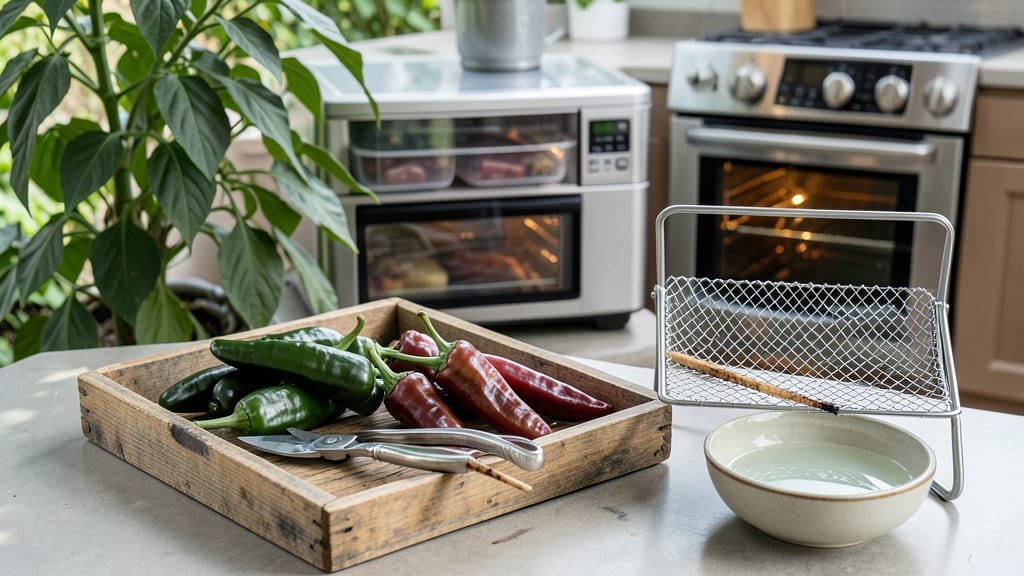
How to dry poblano peppers into ancho unlocks their deep, smoky-sweet potential—right from your garden. 🌱 I’ve turned my harvest into rich, versatile chiles that transform everything from marinades to mole, and the process is simpler than you’d think. The key? Harvesting when peppers are fully mature but still firm, then choosing the drying method that fits your kitchen. Start with fresh, unblemished poblanos—roast them first to soften skins and enhance flavor. Then, you’ve got three reliable routes: a low-and-slow oven bake, a dehydrator’s even heat, or classic air-drying in a warm, dry space. Each method yields the same rich, paper-thin chiles, but timing and airflow make all the difference. By the time you’re peeling and storing those dried beauties, you’ll have a pantry staple that’s 10x more flavorful than store-bought. The transformation is worth the wait—imagine the depth they’ll add to your next dish, straight from your garden to your plate. This method works year-round, whether you’re drying a small harvest or stocking up for winter. Let’s get those poblanos ready for their smoky-sweet makeover!
📚 In This Guide
- What you need
- Instructions
- Tips and common mistakes
- Wrapping up and next steps
What you need
- ● Fresh poblano peppers: 6–12 medium-sized peppers (about 1–2 lbs total). Choose firm, vibrant green peppers with no soft spots.
- ● Sharp knife or kitchen shears: For slicing stems and removing seeds.
- ● Cutting board: A clean, stable surface for prep.
- ● Paper towels or clean kitchen towel: To pat peppers dry before drying.
- ● Drying method of choice (pick one): Dehydrator: With adjustable temperature settings (135°F–145°F optimal).
- ● Oven: Set to the lowest temperature (170°F–180°F) with the door propped open slightly for airflow.
- ● Sun-drying: A warm, dry, and well-ventilated outdoor space (or a sunny windowsill). Requires 3–5 sunny days.
- ● Food dehydrator trays or oven-safe baking sheets: Line with parchment paper or silicone mats for easy cleanup.
- ● Air-tight storage containers: Glass jars or vacuum-sealed bags to preserve dried ancho peppers.
- ● Wooden skewers or drying racks for sun-drying or airflow.
- ● Plastic wrap or a damp towel to cover peppers if sun-drying at night.
- ● Spice rub (e.g., smoked paprika or salt) for added flavor before drying.
- ● Digital kitchen scale (for precise pepper measurements if scaling recipes).
Step-by-Step instructions for transforming poblanos into ancho peppers
Here’s the foolproof method I’ve used for years—no fancy equipment, just patience and heat.
🌱 Step 1: Select and Prep Your Poblanos
Pick firm, fully ripe poblanos (deep green, slightly waxy skin) from your garden or market. Avoid any with soft spots or cracks—they won’t dry evenly. I like to blanch them first: drop whole poblanos into boiling water for 2 minutes, then immediately plunge into ice water for 1 minute. This softens the skin slightly, making drying faster and more consistent.
Pat them dry with a clean kitchen towel—moisture slows drying. Leave the stems intact; they help hang the peppers later. If you’re short on time, skip blanching, but expect drying to take 24-48 hours longer. For best results, work with 4-6 peppers at a time—overcrowding traps humidity.
☀️ Step 2: Choose Your Drying Method
You’ve got three options: sun-drying, oven-drying, or dehydrator. For sun-drying, string peppers by their stems onto a clean, dry line (like a clothesline) or hang them in small bundles from a wooden rack in a well-ventilated, shaded spot (direct sun can scorch them). Keep them 6 inches apart so air circulates.
For oven-drying, preheat to 200°F and prop the peppers open with toothpicks (this speeds drying). Place them on a wire rack over a baking sheet to catch drips. Rotate the tray halfway through. Oven-drying takes 6-8 hours. If using a dehydrator, set it to 135°F—peppers are done in 4-6 hours. Watch for wrinkled skin and deep color change (from green to brownish-red).
⏰ Step 3: Monitor and Test for Doneness
Check peppers every 2-3 hours—they’re ready when the skin cracks slightly when bent and feels leathery to the touch. If you press a fingernail into the pepper and it leaves a deep indentation, they need more time. Under-dried peppers mold; over-dried ones turn brittle and lose flavor.
For a smoky flavor, finish drying near a wood fire (like a grill or campfire) for the last 1-2 hours. Keep peppers 6 inches from flames to avoid burning. If you’re indoors, place them near a pilot light or candle (safely!) for subtle smoke infusion. Store finished ancho in an airtight container away from light—they’ll keep for up to a year.
🌿 Step 4: Store and Use Your Ancho Peppers
Let dried peppers cool completely before storing. Remove stems and seeds if desired (though seeds add depth to sauces). Seal in glass jars or vacuum-sealed bags—humidity is the enemy. Label with the date; properly stored ancho deepens in flavor over time.
Use them whole in soups, moles, or stews, or grind into a powder for chili seasoning. A little goes a long way—1-2 peppers per dish is plenty. Freeze extras for up to 6 months if you won’t use them within a year. The transformation from fresh poblano to rich, smoky ancho is worth every hour.
Tips & tricks for perfectly dried ancho peppers
Here's what nobody tells you about transforming poblanos into ancho—these tricks save time and elevate flavor.
The Blanching Game-Changer: That 2-minute boil followed by 1-minute ice bath might seem excessive, but it's what makes all the difference. The blanching softens the skin just enough to speed drying by up to 24 hours. I've tried skipping it, and while it works, the peppers take forever to dry properly—especially in humid climates. Pro tip: Use a slotted spoon to transfer peppers between water baths for cleaner prep.
Drying Method Secrets: For oven-drying at 200°F, I prop peppers open with toothpicks to expose more surface area—this cuts drying time by nearly 2 hours. If using a dehydrator at 135°F, arrange peppers cut-side up for even drying. Sun-drying? Hang them stem-up in a breezy spot; the stems act as natural hangers. Remember: 6 inches apart is non-negotiable for proper airflow.
Doneness Test You Can't Miss: The fingernail test in Step 3 is foolproof—if your nail leaves a deep dent, they need more time. For extra smoky flavor, finish near a wood fire for that 1-2 hour infusion (just keep them 6 inches from flames!). I've ruined batches by getting impatient—wait until they're truly leathery, not just wrinkled.
Storage Wisdom: Once cooled, store ancho in glass jars with a sprinkle of salt inside the lid. This prevents mold and preserves that deep, smoky flavor for up to a year. For long-term storage, vacuum-sealed bags work too, but glass lets you see the beautiful color transformation over time.
Pro Tips for Dry Poblano Peppers Into Ancho
- Here's what nobody tells you about transforming poblanos into ancho—these tricks save time and elevate flavor.
- The Blanching Game-Changer: That 2-minute boil followed by 1-minute ice bath might seem excessive, but it's what makes all the difference.
- Drying Method Secrets: For oven-drying at 200°F, I prop peppers open with toothpicks to expose more surface area—this cuts drying time by nearly 2 hours.
Frequently asked questions
Got questions about transforming poblanos into ancho? You’re not alone—this process has a few quirks! Here are the most common queries (and their answers) to help you dry peppers like a pro.
How long does it take to dry poblanos into ancho?
Drying time varies, but most methods take 3–5 days for perfect ancho. Oven-drying (250°F/120°C) takes 24–48 hours, while air-drying or dehydrator methods can take 3–5 days. Check for readiness when peppers are leathery, shriveled, and dark brown—no moisture should remain.
Can I speed up the drying process?
Yes! Use a dehydrator (4–6 hours at 135°F/57°C) or an oven (2–3 hours at 250°F/120°C) for faster results. For air-drying, place peppers in a well-ventilated, warm spot (70°F+/21°C+) and rotate them daily. Just avoid rushing—over-drying makes ancho brittle and bitter.
What if my peppers mold or smell bad?
Mold or funky odors mean moisture or bacteria won’t leave. Toss affected peppers immediately! To prevent this:
- Use fully ripe, undamaged poblanos (no soft spots).
- Clean peppers with vinegar water (1:3 ratio) before drying.
- Ensure your drying surface (rack, mesh, or cloth) is sterilized and well-ventilated.
Can I use other peppers to make ancho?
While poblano is the classic choice, you can experiment with:
- Ancho’s cousin: Mulato (dried ancho with seeds removed).
- Mild options: Bell peppers (sweeter, less smoky) or pasilla (darker, fruitier).
- Avoid: Jalapeños or serranos—they’re too spicy and won’t develop ancho’s signature depth.
Just note: flavor and texture will differ!
How do I store dried ancho peppers?
Store ancho in an airtight container (glass jars or vacuum-sealed bags) in a cool, dark place for up to 1 year. For longer shelf life, freeze them! Rehydrate by soaking in warm water for 10–20 minutes before using.
Wrapping up and next steps
Transforming poblano peppers into smoky, sweet ancho chiles is a rewarding process that unlocks bold flavors for your kitchen! With just a few simple steps—roasting, drying, and storing—you’ll have a pantry staple ready to elevate tacos, sauces, and more.
Don’t let the 72-hour wait discourage you; the results are 100% worth it!
Now that you’re equipped with the know-how, give it a try and experiment with your own batches. Once you’ve mastered ancho chiles, why not explore other dried peppers like guajillo or mulato? Your culinary adventures are just heating up! 🌶️✨