
Vegetables
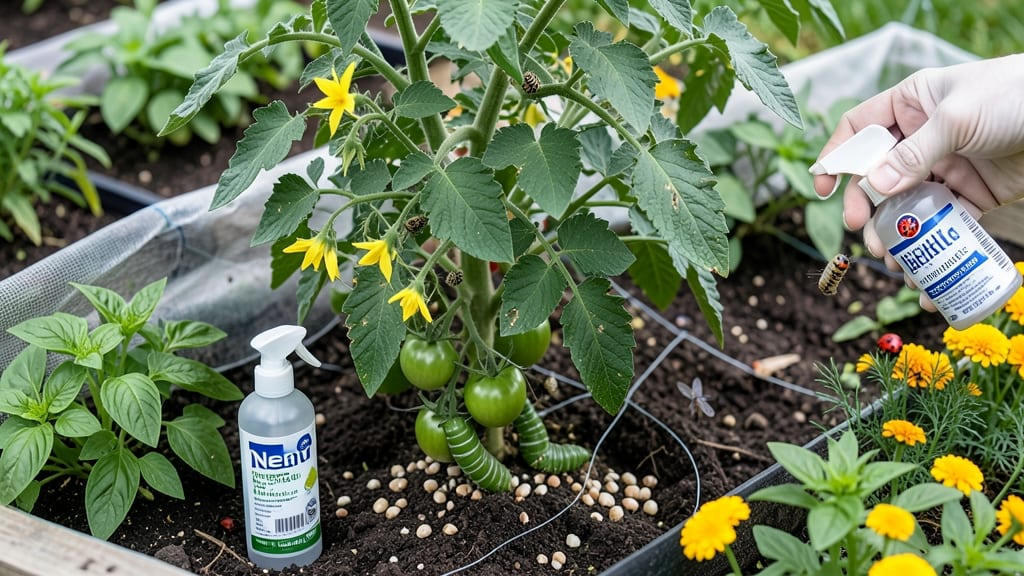
How to deter tomato hornworms can save your garden from devastation—these striped bandits can destroy entire vines in days. ✨ I’ve lost entire vines to these pests—until I discovered the hand-picking hack that works better than sprays or traps. The key? Timing, tools, and a little patience.
Most gardeners panic when they spot hornworms, but these caterpillars are actually easy to remove if you act fast. Grab a pair of gloves and a bucket of soapy water—no chemicals needed.
The trick is checking plants every morning before they grow too large to handle. One plant can hide 10+ hornworms, so inspect thoroughly.
By the end of the season, your tomatoes will thrive without damage. The plants recover faster than you’d expect, and you’ll avoid the heartbreak of watching your harvest disappear overnight. This method works for peppers, eggplants, and basil too—just stay vigilant.
Fair warning: It’s not glamorous work, but it’s the most effective way to protect your garden without harming pollinators or beneficial insects. Once you’ve done it once, you’ll never go back to chemical sprays again.
The real culprits behind hornworms
Tomato hornworms—those striped, voracious caterpillars—aren’t just a random nuisance; they’re the result of a perfect storm of biology, ecology, and garden conditions. Understanding why they show up in your tomato patch is the first step to stopping them in their tracks.
Let’s break down the key reasons these pests target your plants with surgical precision.
Tomato hornworms (Manduca sexta) are specialized feeders, meaning they’ve evolved to thrive on specific plants. Their top menu? Tomatoes, peppers, eggplants, and tobacco—all part of the Solanaceae (nightshade) family. Here’s why your garden is a five-star restaurant for them:
- Rich in nutrients: Solanaceous plants contain high levels of proteins and sugars, which hornworms need for rapid growth. A single caterpillar can devour up to 10 leaves per night—that’s a full meal for a creature the size of a hot dog!
- Soft, tender leaves: Young tomato plants have delicate foliage that’s easy for hornworms to chew through. Older leaves are tougher, but the pests still prefer them over other veggies.
- Volatile compounds: Tomatoes release chemical signals (like methyl salicylate) that hornworm moths detect from miles away. It’s like a neon “Eat Me” sign in the insect world.
💡 Pro Tip: If you’ve noticed hornworms only on your tomatoes and not your basil or beans, it’s because those plants lack the chemical and structural cues that attract them.
Hornworms don’t just appear out of nowhere—they’re the larval stage of the sphinx moth (Manduca sexta), and their parents are expert travelers. Here’s how they infiltrate your garden:
- Wind-assisted travel: Adult moths can fly up to 20 miles per night, carried by wind currents. If your neighbor’s garden is overrun, expect them to show up in yours within days.
- Seasonal peaks: Hornworms are most active from late spring to early fall, with two to three generations per year in warm climates. Their life cycle is fast—eggs hatch in 3–5 days, and caterpillars reach full size in just 2–3 weeks.
- Nocturnal egg-laying: Female moths lay 2,000–3,000 eggs on the undersides of leaves, often in clusters. By morning, you might not even notice them until the caterpillars emerge.
🌡️ Key Factor: Warm nights (70°F+) trigger moth activity. If your area has a sudden heatwave, brace for an invasion.
Hornworms aren’t picky—they’ll feast on your tomatoes regardless of how well you care for them. But certain garden conditions accelerate their population growth. Here’s what makes your yard a hornworm hotspot:
| Factor | Why It Helps Hornworms |
|---|---|
| Lack of natural predators | Birds, parasitic wasps (Cotesia congregata), and praying mantises love hornworms—but if your garden has no perches, water sources, or diverse plantings, these predators stay away. |
| Overwatered soil | Soft, moist soil makes it easier for hornworm pupae to burrow and overwinter. Drainage issues can turn your garden into a breeding ground. |
| Monoculture plantings | Planting only tomatoes (or other solanaceous crops) gives hornworms a non-stop food source. Diversity confuses them and dilutes their numbers. |
| Nighttime lighting | Outdoor lights attract adult moths, increasing the chance they’ll lay eggs near your plants. If your garden is well-lit at night, it’s like rolling out the red carpet for them. |
✨ Science Note: Studies show that gardens with 3+ types of flowering plants (like marigolds, dill, or fennel) see 30% fewer hornworm infestations because they disrupt the moths’ navigation.
Now that you know why these pests target your tomatoes, the next step is turning your garden into a hornworm-free zone. The good news? With the right tactics, you can outsmart them before they even get started.
Beat Back Tomato Hornworms Naturally
Tomato hornworms may look intimidating, but with the right strategies, you can protect your plants without resorting to harsh chemicals. Below, we break down practical, effective solutions tailored to the root causes of infestations—from early prevention to hands-on fixes.
Stop hornworms in their tracks by making your garden less appealing to them.
🌱 Plant Smart: Use Companion Plants
Tomato hornworms love tomatoes, but they avoid certain plants.
Interplant these hornworm deterrents near your tomatoes: - Basil (masks tomato scent) - Marigolds (repel pests naturally) - Dill or Fennel (attracts parasitic wasps, which hunt hornworms) - Nasturtiums (confuses pests with their strong aroma)
Pro Tip: 💡 Rotate crops yearly to disrupt hornworm life cycles. These caterpillars thrive in the same soil, so shifting plant locations keeps them off guard.
🕷️ Encourage Natural Predators Mother Nature has her own pest control squad.
Invite these hornworm hunters to your garden: - Parasitic wasps (lay eggs inside hornworms—gross but effective!) - Ladybugs (devour eggs and young larvae) - Praying mantises (voracious eaters of hornworms) - Lizards and birds (snatch them up mid-feast)
How to attract them:
- Leave some leaf litter near plants (wasps love hiding there).
- Install birdhouses or bat boxes (bats eat hornworms at night).
- Avoid pesticides—even "safe" ones can harm these helpers.
If you’ve already spotted hornworms, manual removal is your best bet—it’s free, chemical-free, and satisfying.
👨🍳 Step-by-Step Hand-Picking Guide
- 🔍 Scout Early & Often
- Check undersides of leaves, stems, and fruit daily (they’re sneaky!).
- Look for green droppings (frass)—a sure sign of hornworms.
- 🕵️♂️ Spot the Culprit
- Hornworms are 5-inch green monsters with white stripes and a "horn" at the tail.
- Eggs are tiny, pale yellow, laid in clusters on leaves.
- 💪 Grab & Dispose
- Morning or evening (they’re sluggish then).
- Wear gloves (they can be slimy!).
- Drop them into soapy water (instant death) or far from your garden (let birds have a snack).
- 🌿 Check for Eggs Too
- Scrape off egg clusters with a fingernail or soft brush.
- Crush them or dunk in soapy water.
Pro Tip: ✨ Use a flashlight at night—hornworms are less active and easier to spot!
When hand-picking feels like a losing battle, block their access with these DIY tricks.
🧶 Row Covers & Netting
- Floating row covers (lightweight fabric) smother eggs and block adults from laying.
- Fine mesh netting (1/4-inch or smaller) over young plants stops larvae from reaching leaves.
- Best for: Seedlings and early growth stages.
🍅 Fruit Cages & Collars
- Cage ripe tomatoes with wire mesh to prevent hornworms from munching.
- Wrap stems with cardboard collars (cut open toilet paper rolls) to block crawling larvae.
🪲 Beer Traps (Yes, Really!)
- Fill a shallow dish with beer or apple cider vinegar.
- Hornworms (and other pests) are attracted to the smell and drown.
- Bury the dish slightly so it’s less visible to predators.
For larger infestations, natural sprays can help—just reapply after rain.
💦 Homemade Sprays
| Ingredient | How to Use | Why It Works |
|---|---|---|
| Neem Oil | Mix 1 tbsp neem oil + 1 tsp mild soap + 1 quart water. Spray evening/night. | Disrupts feeding and growth. |
| Garlic Spray | Blend 5 garlic cloves + 1 quart water. Strain, add 1 tsp soap. Spray leaves. | Repels pests with strong odor. |
| Cayenne Pepper | 2 tbsp cayenne + 1 quart water + 1 tsp soap. Spray directly on hornworms. | Burns their skin (they’ll leave!). |
Pro Tip: 🌡️ Spray undersides of leaves—that’s where hornworms hide!
🍃 Diatomaceous Earth (DE)
- Sprinkle food-grade DE around plant bases and on leaves.
- It dries out their exoskeletons, killing them slowly.
- Best for: Dry, calm weather (rain washes it away).
Prevention is the #1 weapon against hornworms. Keep your garden clean and uninviting:
- 🪴 Prune regularly—remove damaged leaves where eggs hide.
- 🧹 Clear debris (old plant matter attracts pests).
- 🌱 Rotate crops—don’t plant tomatoes in the same spot yearly.
- 🌿 Mulch with straw—deters egg-laying moths.
Final Thought: Combining prevention, hand-picking, and natural deterrents will keep your tomato plants thriving. Stay vigilant, and those hornworms won’t stand a chance! 🚫🐛
Frequently asked questions
How do I know if my tomato plants have hornworms?
Look for large green caterpillars (5 inches long) with white stripes and a horn-like projection at the tail. Check the undersides of leaves for their green droppings (frass) or eggs (tiny yellow clusters). They often hide near stems or flowers during the day.
What's the best time of day to hand-pick hornworms?
Early morning or late evening when they're sluggish. They're easier to spot and remove before they become too active. Wear gloves—they can be slimy! Drop them into soapy water or far from your garden to prevent them from returning.
Will neem oil or garlic spray actually work against hornworms?
Yes, but they're most effective on young larvae. Neem oil disrupts their feeding and growth, while garlic spray repels them with its strong odor. Spray undersides of leaves where they hide, and reapply after rain. For large caterpillars, hand-picking is still the fastest solution.
Can I use row covers to prevent hornworms? Lightweight floating row covers work well for seedlings and young plants. They block adult moths from laying eggs and prevent larvae from reaching leaves. Just
How do I attract natural predators to my garden?
Plant dill, fennel, or marigolds to attract parasitic wasps that lay eggs in hornworms. Leave some leaf litter for wasp habitats, and install birdhouses or bat boxes. Avoid pesticides—even "safe" ones can harm these beneficial insects.