
How To
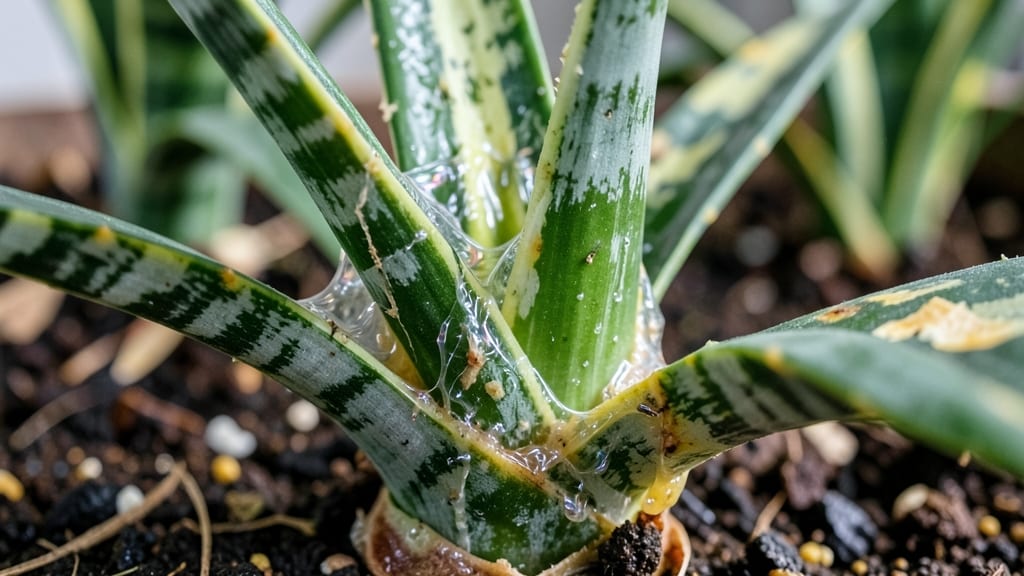
How to fix an overwatered snake plant—your droopy leaves don’t mean it’s too late. ✨ I’ve nursed back more overwatered snake plants than I can count—here’s how to revive yours before the roots give up completely. The key? Acting fast to stop the rot and giving it the dry conditions it secretly craves.
Start by checking the soil—if it’s soggy or smells funky, that’s your first warning sign. Gently remove the plant from its pot and trim any mushy roots or blackened stems with clean scissors. The goal is to save healthy tissue, so don’t panic if it looks rough now.
Then, repot it in fresh, fast-draining soil (think cactus mix) and let it dry out completely before watering again.
What you’ll end up with is a plant that’s back on track—new growth within weeks, sturdy stems, and those signature upright leaves making a comeback.
The trick is adjusting your watering: snake plants thrive on neglect, so wait until the top 2-3 inches of soil are bone-dry before touching it again.
This works for both potted plants and those in the ground—just dig up the plant, assess the roots, and replant in well-draining soil. Trust me, your snake plant can bounce back, even if it’s looking worse for wear right now. Let’s get it back to its usual tough, low-maintenance self.
📚 In This Guide
- What you need
- Instructions
- Tips and common mistakes
- Wrapping up and next steps
What you need
- ● Well-draining potting mix: 1 bag (1-2 gallons) of a cactus or succulent mix (or a blend of 50% potting soil + 50% perlite/pumice). Avoid regular garden soil—it holds too much moisture!
- ● Clean, breathable pot: 1 container with drainage holes (slightly larger than the current pot, if repotting). Terracotta or ceramic works best.
- ○ Gloves (optional but helpful): A pair of gardening gloves to protect your hands from soil and potential root rot.
- ● Pruning shears or clean scissors: 1 pair (sterilized with rubbing alcohol to prevent contamination).
- ● Hydrogen peroxide (3%) or cinnamon powder: A small bottle or jar (for treating roots and preventing fungal/bacterial growth).
- ● Spray bottle: 1 (for lightly misting roots if needed).
- ● Paper towels or clean cloth: A roll or stack (to pat dry roots and clean tools).
- ● Rooting hormone: 1 small tube (speeds up recovery if you’re propagating damaged leaves).
- ● Moisture meter: 1 (to check soil moisture levels accurately—snake plants hate soggy roots!).
- ● Peat moss or orchid bark: A small bag (for improving aeration in the mix).
- ● Fungicide (like neem oil or copper fungicide): 1 bottle (if you notice mold or foul smells).
Tips & tricks for reviving your snake plant
Here's what nobody tells you about bringing a soggy snake plant back to life—these tricks make all the difference.
Root Inspection: When examining the roots in Step 1, focus on the texture more than the color. Healthy roots should spring back slightly when pressed, while rotted roots will collapse like wet paper towels. I've seen plants with only a few white roots at the base still bounce back completely—don't be fooled by surface appearance alone.
Drainage Layer: For Step 2, don't skimp on the perlite or pebbles at the bottom. Aim for at least 1 inch of this layer—this creates crucial air space that prevents future waterlogging. I've had to repot plants twice because I used too little, so trust me on this.
Light Transition: In Step 3, when moving your plant to bright indirect light, start with morning sun exposure if possible. Morning light is gentler than afternoon sun, giving your plant time to adjust gradually. If you notice leaves curling or turning yellow, move it back a few inches from the window.
Patience Pays Off: The 6-8 week recovery timeline in Step 4 is non-negotiable. I've seen people give up at 3 weeks when they didn't see immediate results. Set a reminder to check for those tiny new leaves emerging from the base—they're the first sign your plant is healing.
Pro Tips for Fix An Overwatered Snake Plant
- Here's what nobody tells you about bringing a soggy snake plant back to life—these tricks make all the difference.
- Root Inspection: When examining the roots in Step 1, focus on the texture more than the color.
- Drainage Layer: For Step 2, don't skimp on the perlite or pebbles at the bottom.
Frequently asked questions
Got questions about saving your soggy snake plant? You’re not alone! Here are some of the most common concerns—and straightforward solutions—to help you revive your leafy friend without stress.
How do I know if my snake plant is really overwatered?
Check for these red flags: yellow, mushy leaves (especially at the base), a rotten or foul smell from the soil, and soft, squishy stems. If the leaves feel heavy or droop dramatically, it’s a clear sign of overwatering. Pro tip: Gently tug on a leaf—if it pulls out easily, roots may be rotting!
How long does it take for an overwatered snake plant to recover?
Recovery time varies, but with proper care, you’ll see improvement in 2–4 weeks. Trim dead leaves immediately, and avoid watering until the soil is completely dry (2–3 inches deep). Patience is key—snake plants are tough but need time to bounce back!
Can I save a snake plant with black, mushy roots?
Yes! Trim all black, mushy roots with clean scissors, leaving only firm, white/cream roots. Repot in fresh, well-draining soil and hold off on watering for at least 10 days. Healthy roots will regrow in a few weeks—just keep the environment bright and dry!
What if my snake plant keeps getting overwatered after fixing it?
Adjust your watering habits! Snake plants thrive on infrequent, deep watering. Let the top 3–4 inches of soil dry out between waterings, and use pots with drainage holes. A moisture meter or the "finger test" (stick your finger in the soil) can help you avoid overdoing it.
Are there any quick fixes to speed up recovery?
While no "magic cure" exists, you can boost recovery by:
- Moving the plant to bright, indirect light (no direct sun yet!).
- Using a fungicide spray (like neem oil) to prevent mold/fungal growth.
- Repotting in a mix with perlite or orchid bark for better drainage.
Wrapping up and next steps
Your snake plant can bounce back—you’ve got this! 🌱 By adjusting watering habits, improving drainage, and giving it time to recover, you’re already on the right track. Remember, even the toughest plants need patience and care, and snake plants are no exception.
Now that you’re equipped with the know-how, take action today! Start by assessing your plant’s needs and implementing the steps above.
Watch it thrive—and soon, you’ll be the proud owner of a lush, happy snake plant that’s ready to purify your air and add life to your space. Happy planting! 🌿