
Watering
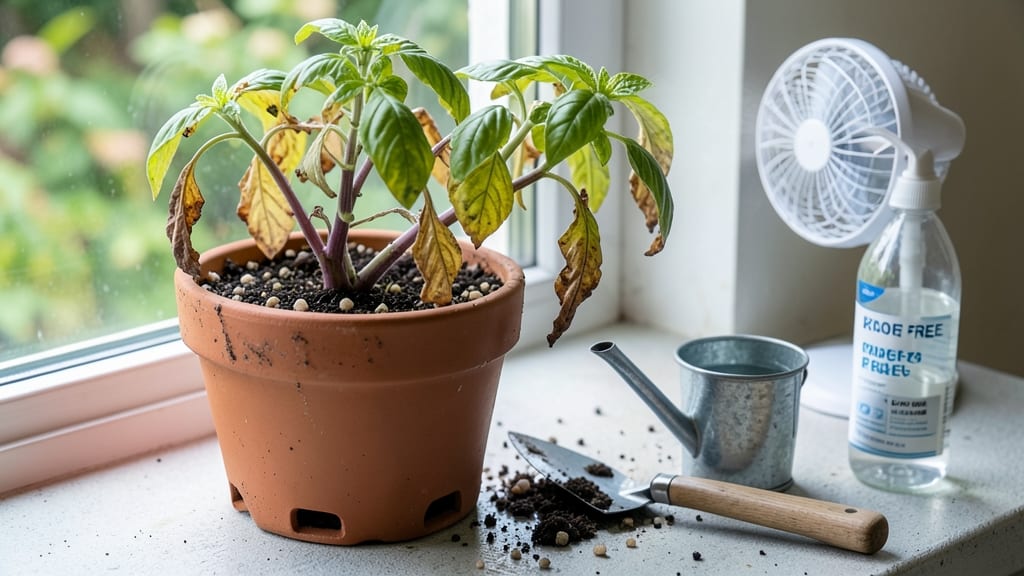
Your basil’s sad, droopy state isn’t a death sentence—it’s just begging for a little TLC. 🌱 I’ve nursed back more overwatered basil plants than I’d like to admit, and the fix is simpler than you’d think. The key? Stopping the water torture and giving those roots room to breathe again.
First, yank the plant from its soggy pot and inspect the roots—if they’re mushy or smell funky, trim the damage with clean scissors. Then, repot into fresh, well-draining soil (mix in perlite or sand if yours is heavy) and choose a container with drainage holes.
No holes? Drill them—your basil’s life depends on it.
After replanting, hold off on watering for 3-5 days to let the roots recover. Once you resume, stick your finger in the soil first—only water when the top inch feels dry. Within 7-10 days, you’ll see new growth pushing through, and those wilted leaves will start to perk up.
Prevent future drama by watering only when the soil is 60% dry and never letting basil sit in saucers of water. Trust me, your future self will thank you when harvest time rolls around—and there’s no more sad, slimy stems to toss.
The real culprits behind soggy basil
Overwatering basil isn’t just a gardening mistake—it’s a silent killer that stunts growth, invites pests, and turns your kitchen herb into a sad, mushy mess. But why does this happen? The truth lies in a mix of environmental factors, human habits, and the plant’s own biology.
Let’s break down the core reasons your basil is drowning in its own pot—and how to avoid repeating them.
Basil roots need oxygen, not a permanent waterlogged spa. If your pot lacks drainage holes or uses compacted soil, excess water pools at the bottom, suffocating roots and blocking nutrient uptake. Here’s the science:
- Root asphyxiation: Without oxygen, roots switch from aerobic respiration (which fuels growth) to anaerobic fermentation (which produces toxic alcohol and acids). This burns the roots from the inside out.
- Fungal feasts: Stagnant water creates the perfect breeding ground for Pythium and Phytophthora—fungi that rot roots faster than a wet paper towel left in your lunchbox.
- Nutrient lockout: Overwatered soil becomes a dense, anaerobic sludge. Essential minerals like nitrogen and potassium get trapped in the water column, making them unavailable to the plant.
Actionable fix: Always use pots with drainage holes and a coarse growing medium (like a 60/40 mix of potting soil and perlite). If repotting, choose containers with at least 3–4 drainage holes.
Sticking to a rigid watering schedule (e.g., “every Tuesday”) is a recipe for disaster. Basil thrives on consistency in moisture, not frequency. Here’s why blind watering backfires:
- Overhydrated soil: Basil prefers soil that’s 60–70% moisture at the top inch but dries slightly between waterings. If you water before the topsoil dries, you’re just adding to the soggy pile.
- Temperature swings: Hot days evaporate moisture faster, while cool nights slow drainage. A 10°F drop can reduce soil aeration by 30%, making roots more susceptible to rot.
- Pot size mismatch: A 6-inch basil plant in a 12-inch pot stays wet far longer than one in a 4-inch container. Larger pots = slower drying = more time for roots to suffocate.
Actionable fix: Use the finger test: Stick your index finger 1–2 inches into the soil. If it’s damp, wait. If it’s dry, water thoroughly until water runs out the drainage holes. Adjust frequency based on:
- 🌡️ Weather: Water 2x/day in 90°F+ heat; reduce to every other day in 60°F+.
- 🏺 Pot material: Terracotta dries faster than plastic.
- 🌱 Plant size: Seedlings need less water than mature plants.
Not all soil is created equal—and neither are its drainage properties. Heavy, clay-based soils or garden soil from your yard can turn your basil’s pot into a water trap. Here’s how:
| Problem Soil Type | Why It’s Dangerous | Fix It With |
|---|---|---|
| Garden soil | Compacts easily, blocks airflow, and holds 90% more water than potting mix. | Amend with 30% perlite or vermiculite. |
| Peat-heavy mixes | Retains water like a sponge but doesn’t dry evenly, creating anaerobic pockets. | Switch to a coco coir-based mix with added sand. |
| Pure compost | Breaks down into a dense, water-logged mat that smothers roots. | Use only 20% compost in your potting mix. |
Pro tip: 💡 For the fastest drainage, blend 50% potting soil + 30% perlite + 20% coarse sand. This mimics the airy, well-draining conditions basil loves in the Mediterranean wild.
Basil roots are not built for tight spaces. When roots fill a pot completely, they:
- Compete aggressively for limited oxygen in wet soil.
- Tangle into a root-bound knot, slowing water absorption and increasing rot risk.
- Secrete ethylene gas (a stress hormone) when suffocated, which stunts leaf growth and makes the plant more vulnerable to disease.
Signs your basil is root-bound:
- Roots circling the pot’s bottom like a spiral prison.
- New leaves are smaller than old ones (a sign of stress).
- Water runs straight out the drainage holes without soaking in (roots are blocking absorption).
Actionable fix: Repot into a container 2–3 inches larger in diameter and trim 20–30% of the roots before transplanting. This encourages outward growth and better oxygen flow.
Now that you know the real villains behind overwatered basil, you’re armed to stop the soggy saga. The good news? Most of these fixes are quick and cheap—just swap out the soil, adjust your watering, and give those roots some breathing room.
Next up: how to revive your basil before it’s too late.
Revive Your Basil Now
Overwatered basil can feel like a lost cause, but with the right steps, you can bring your plants back to life—even if they’re looking sad and soggy. The key is acting fast and addressing the root of the problem (literally!).
Below are practical, step-by-step solutions tailored to the most common causes of overwatering, plus tips to keep your basil thriving long-term.
If your basil’s soil is drenched and roots are suffocating, stop watering immediately and focus on drying it out.
🔥 Drain Excess Water
- Gently remove the plant from its pot and wrap the root ball in a dry towel to absorb moisture.
- Place the pot in a shady, well-ventilated spot (like a windowsill or balcony) for 12–24 hours to let excess water evaporate.
- If repotting, choose a container with drainage holes—no exceptions!
🍳 Repot in Fresh, Dry Soil - Remove the plant and loosen the root ball to check for rot.
If roots are mushy or black, trim them with sterilized scissors (🔪). - Fill the pot with a well-draining potting mix (like a 50/50 blend of potting soil and perlite or coconut coir). - Plant at the same depth as before and water lightly—just enough to settle the soil.
⏰ Wait Before Watering Again
- Hold off on watering for 3–5 days to let the soil dry out completely. Stick your finger 1–2 inches deep—if it’s damp, wait longer.
Yellowing leaves or a white, fuzzy mold? That’s root rot or powdery mildew—both thrive in soggy, stagnant conditions.
👨🍳 Prune Damaged Foliage
- Snip off yellow, brown, or mushy leaves with clean scissors to redirect energy to healthy growth.
- Avoid pruning more than ⅓ of the plant at once to prevent shock.
🥘 Boost Air Circulation
- Move your basil to a sunny spot with indirect light (6+ hours/day) but no direct midday sun for now.
- Use a small fan on low speed (2–3 hours/day) to dry leaves faster and deter mold.
- If growing indoors, open windows or use an air purifier to improve airflow.
🌡️ Adjust Humidity Levels
- Overwatered basil often suffers in high humidity. Use a dehumidifier or place a silica gel packet near the plant.
- If outdoors, avoid watering in the evening—wet leaves overnight invite fungal growth.
Prevention is your best friend. Once your basil recovers, adjust your watering routine to avoid repeat mistakes.
🎯 Check Soil Moisture Like a Pro
- Stick your finger 1–2 inches into the soil—if it’s dry, water; if damp, wait.
- Morning watering is ideal—soil has all day to dry out.
- Avoid schedules: Water based on soil conditions, not a calendar.
✨ Upgrade Your Pot & Soil
- Terracotta pots dry faster than plastic—great for basil.
- Add perlite or vermiculite (10–20%) to your potting mix for better drainage.
- Mulch lightly with orchid bark or straw to retain just enough moisture without suffocating roots.
📊 Monitor for Recovery Signs
- Healthy growth: New leaves should be green, firm, and upright within 1–2 weeks.
- Slow progress? Your basil may need fertilizer (use a balanced liquid fertilizer like 10-10-10, diluted to half strength).
If your basil is beyond saving (roots are completely rotten, leaves are black and slimy), don’t toss it—propagate from cuttings! 1. Take 3–4-inch cuttings from healthy stems.
- Remove lower leaves and place in clean water or moist perlite.
- Roots should appear in 1–2 weeks—then transplant into fresh soil.
- Overwatering red flags: Drooping leaves, yellowing, foul-smelling soil, or roots that pull away easily when touched.
- Underwatering vs. overwatering: Underwatered basil has crispy, brown edges; overwatered basil is soggy, mushy, and smells bad.
- Herb companion tip: Plant basil with tomatoes or peppers—they share water needs and repel pests!
With these steps, your basil should bounce back in no time—and you’ll be harvesting fresh leaves for pesto, salads, and sandwiches before you know it! 🍅🍅
Frequently asked questions
How can I tell if my basil is overwatered vs. underwatered?
Check the leaves and roots: overwatered basil has soggy, yellowing leaves that feel mushy when touched, while underwatered basil shows crispy, brown edges. Pull the plant gently—if roots smell foul or pull away easily, it's overwatered. Healthy roots should be firm and white.
Can I save basil with black, mushy stems?
If only the stems are affected, trim them back to healthy green growth and repot in fresh, dry soil. For severe rot, take 3–4 inch cuttings from healthy stems and root them in water—new plants often grow within 1–2 weeks. Avoid using the original soil.
What's the best soil mix to prevent future overwatering?
Use a 50/50 blend of potting soil and perlite or coarse sand. This creates air pockets that prevent compaction. For containers, add orchid bark mulch on top—it helps retain just enough moisture while improving drainage.
How often should I water basil in hot vs. cool weather?
In hot weather (90°F+), water when the top inch feels dry (often daily). In cool weather (60°F+), water every 2–3 days. Always check soil moisture first—never follow a schedule blindly. Morning watering works best.
Will my basil recover if I've been overwatering for weeks?
Yes, but act fast! Trim all damaged leaves, repot in fresh soil, and withhold water for 3–5 days. Most basil recovers within 1–2 weeks if roots aren't completely rotten. For stubborn cases, propagate from healthy cuttings—new growth often appears within days.