
Pests
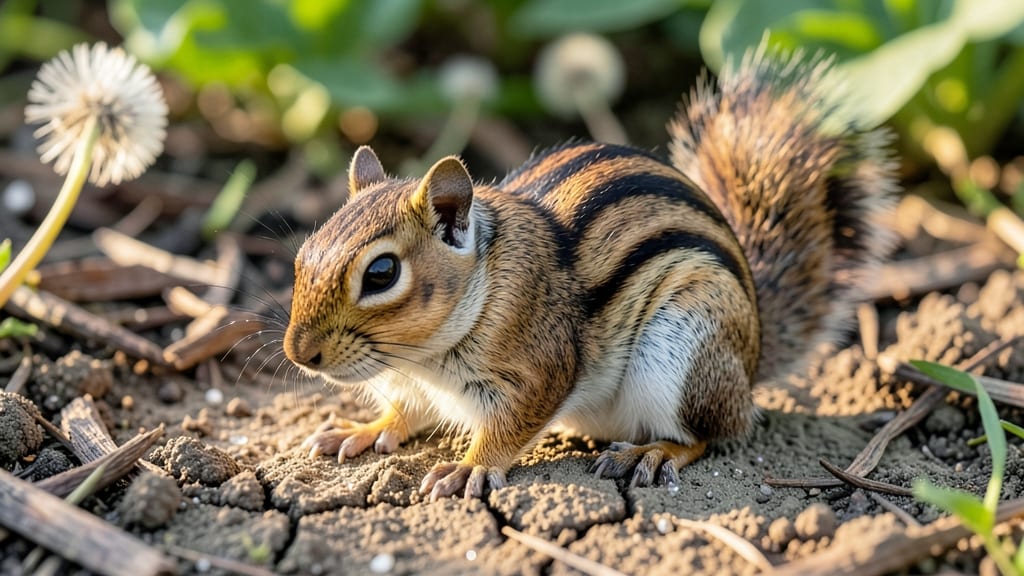
How to get ground squirrels out of your yard faster than you can say "lost harvest"? 🌱 I've spent three frustrating seasons chasing them away—here's what finally worked to reclaim my garden without cruelty. The key is combining fast-acting humane traps with habitat tweaks that make your yard less appealing.
Most people focus only on repellents, but squirrels learn to ignore them. Instead, start by blocking their entry points with hardware cloth buried 12 inches deep around vulnerable areas. Within 48 hours, you'll see fewer tunnels and fewer chewed seedlings.
The traps (like the Havahart model) are simple to set—just bait with sunflower seeds and check them twice daily. For long-term peace, remove food sources like birdseed and adjust irrigation to keep grass thick. This method works for both small backyards and larger plots.
Let's get those squirrels out for good!
Root Causes of Squirrel Invasion
Ground squirrels don’t just wander into your yard by accident—they’re drawn by specific conditions that make your space an appealing home or food source. Understanding these triggers is the first step to reclaiming your outdoor space. Here’s why these furry intruders show up uninvited:
Ground squirrels are opportunistic foragers, and if your yard offers an all-you-can-eat buffet, they’ll stay.
Their diet includes: - Seeds and nuts (especially from bird feeders, fallen acorns, or unharvested crops). - Vegetable gardens (they love young shoots, roots, and tender greens like lettuce or beans). - Pet food (left-out kibble or unsecured bowls are a magnet). - Compost piles (rich in scraps and organic matter).
Why it matters: A single uneaten apple core or a cracked bird feeder can signal to squirrels that your yard is a reliable meal source. Without intervention, they’ll keep returning, digging burrows, and even expanding their territory.
Ground squirrels need safe, undisturbed spaces to raise their young and escape predators.
Your yard might unknowingly provide: - Open burrow systems (loose soil, erosion-prone areas, or gaps in fences). - Dense ground cover (tall grass, leaf litter, or untrimmed shrubs that hide their tunnels). - Structures with gaps (woodpiles, sheds, or decks with crawl spaces where they can nest). - Rocky or uneven terrain (natural crevices or human-made gaps in sidewalks).
Why it matters: A single burrow can connect to a network, making removal difficult. Squirrels prefer areas with minimal human activity, so if they’ve already claimed a spot, they’ll defend it aggressively.
In urban or suburban areas, ground squirrels face fewer threats than in the wild.
Common predators like hawks, foxes, and snakes may be absent, giving squirrels free rein to: - Explore without fear (they’ll dig, forage, and even chew on wiring or insulation). - Reproduce unchecked (a single female can have 8–12 young per year!). - Expand their territory (without predators, they’ll take over more of your yard).
Why it matters: Without natural balance, populations grow rapidly. This is why you might see more squirrels in spring and summer—ideal breeding conditions with fewer predators to curb their numbers.
Ground squirrels are highly sensitive to environmental cues.
Changes in weather, water availability, or landscape can prompt them to relocate: - Drought or flooding (forces them to seek better soil for burrowing). - Fire risk (they dig deeper or move to safer areas with less dry vegetation). - Human activity (lawn mowing, construction, or loud noises can drive them out—but only temporarily if no better options exist). - Mild winters (they may stay active longer, increasing visibility and conflicts).
Why it matters: If your yard becomes less hospitable (e.g., after a freeze or pesticide use), squirrels will scramble for alternatives—often your neighbor’s yard or yours again once conditions improve.
Key Takeaway: Ground squirrels invade because your yard offers food, shelter, and safety. The good news? By addressing these three core needs, you can make your space less appealing—and encourage them to move on for good. 🚫🐿️
Quick Fixes for Ground Squirrel Problems
Ground squirrels are resourceful pests, and their presence in your yard often stems from specific triggers—like food, shelter, or nesting sites. The good news? Each cause has a targeted solution.
Below, we’ll map common reasons ground squirrels invade your space to humane, effective fixes, plus long-term prevention tips to keep them away for good.
Ground squirrels are opportunistic eaters, and even small food sources can lure them in. If you’ve spotted them digging near bird feeders, pet food bowls, or fallen fruit, they’re likely drawn by easy meals.
How to Fix It:
- 🔥 Remove Food Sources Immediately
- Store pet food indoors or use tamper-proof feeders for pets.
- Keep bird feeders at least 5 feet from trees or structures—squirrels will jump from branches to reach them.
- Clean up fallen fruit, nuts, or seeds from trees and gardens daily (yes, daily!).
- 🍳 Use Natural Repellents
- Sprinkle cayenne pepper, garlic powder, or hot sauce near entry points (squirrels hate the smell and spiciness).
- Plant daffodils, marigolds, or alliums—their strong scents deter squirrels naturally.
- 🗑️ Secure Trash and Compost
- Use metal trash cans with locking lids and take them out before dawn (when squirrels are most active).
- If composting, avoid meat/dairy scraps—stick to plant-based waste and keep the bin sealed.
Ground squirrels burrow underground or nest in dense vegetation, sheds, or even under decks. If you’ve seen fresh mounds of dirt or heard scratching noises, they’re likely using your yard as a cozy home.
How to Fix It:
- 👨🍳 Block Burrow Entrances
- Fill active burrows with rocks, hardware cloth, or sand (avoid using soil—it just invites them back).
- Install 1/4-inch hardware cloth around garden beds or under decks to prevent digging.
- 🌿 Trim Dense Vegetation
- Squirrels love tall grass, shrubs, and overgrown areas. Mow regularly and trim bushes to reduce hiding spots.
- Remove woodpiles, leaf litter, or debris near your home—these create perfect nesting spots.
- 🏗️ Seal Entry Points
- Check for gaps in sheds, garages, or porches (even small holes can fit a squirrel!). Use steel wool and caulk to seal cracks.
- Install door sweeps to block access to crawl spaces.
Lush gardens, flower beds, and young plants are like an all-you-can-eat buffet for ground squirrels. They’ll dig up bulbs, chew leaves, and even eat vegetables straight from the ground.
How to Fix It:
- 🥘 Protect Plants with Physical Barriers
- Wrap tree trunks or young plants in chicken wire or hardware cloth (bury it 12 inches deep to stop digging).
- Use row covers over vegetable gardens to block access while allowing sunlight.
- 🌡️ Try Squirrel-Repellent Plants
- Plant lavender, rosemary, or mint—their strong scents confuse squirrels’ sense of smell.
- Avoid planting sunflowers, corn, or beans near your home (they’re squirrel magnets!).
- ⏰ Set Humane Traps Strategically
- Use live traps (like the Havahart brand) baited with peanut butter, seeds, or apples.
- Place traps near burrows or along their travel paths (check them twice daily and relocate squirrels at least 5 miles away).
Once you’ve removed the attraction, prevent reinvasion with these pro tips:
- 🔥 Maintain a "Squirrel-Free Zone"
- Keep your yard tidy, well-lit, and free of standing water (squirrels avoid open spaces).
- 🎯 Use Motion-Activated Deterrents
- Install sprinklers (like the ScareCrow) or ultrasonic repellents—sudden movements scare them off.
- 🌡️ Regularly Inspect Your Yard
- Check for new burrows or chewed plants every 2 weeks—early action prevents big problems.
Remember: Ground squirrels are clever but not invincible. By eliminating food, shelter, and easy access, you’ll send them packing—for good! 🚫🐿️
Frequently asked questions
How long does it take to see results with humane traps?
With consistent trapping, you’ll typically see a noticeable reduction in squirrel activity within 3-5 days. For best results, place traps near active burrows or along their travel paths, and check them twice daily. Relocating captured squirrels at least 5 miles away prevents them from returning.
Are motion-activated sprinklers safe for pets?
Most motion-activated sprinklers (like ScareCrow) are pet-safe when used correctly. Choose models with adjustable sensitivity to avoid startling dogs or cats. Always test the range in your yard first—keep pets indoors during initial setups to prevent accidental scares.
Can I use peppermint oil to repel ground squirrels?
Yes! Soak cotton balls in peppermint oil and place them near burrows or entry points. The strong scent disrupts their sense of smell. Refresh every 3-4 days or after rain, as the oil loses potency. Avoid spraying directly on plants—it can harm foliage.
What’s the best time of day to set traps?
Set traps early morning (6-8 AM) or late afternoon (4-6 PM) when squirrels are most active foraging. Check traps every 4-6 hours to avoid leaving them trapped too long. Dawn and dusk are their peak activity times for food searches.
Will removing one burrow make others disappear?
No—ground squirrels often have interconnected tunnel systems. To fully deter them, fill all visible burrows with rocks or sand, then install 12-inch deep hardware cloth barriers around vulnerable areas. This prevents them from digging new tunnels nearby.