
Pests
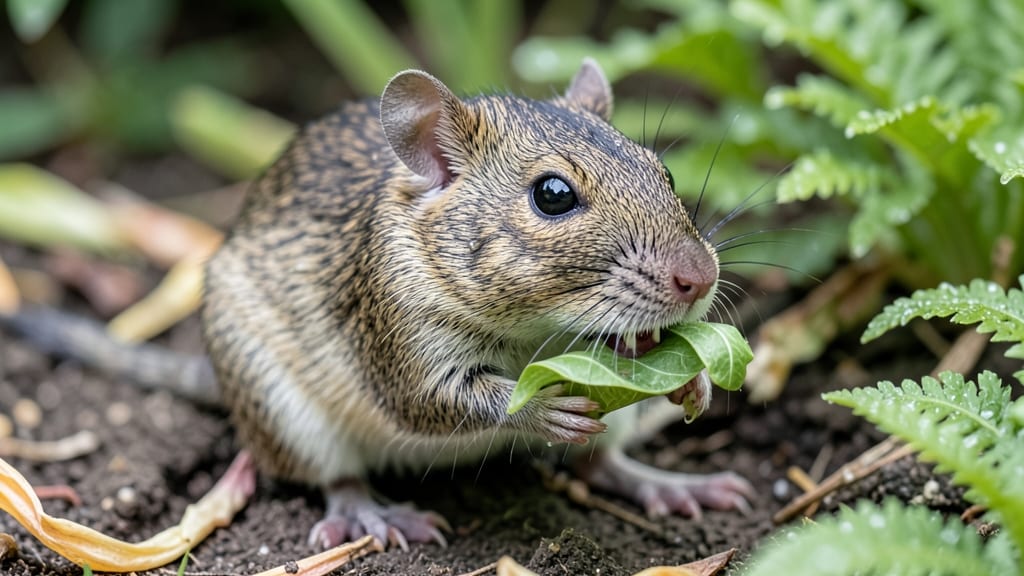
How to get voles out of your yard—without traps or cruelty—started with my 3-foot-tall hosta clumps being demolished overnight. Until I discovered these humane, trap-free methods that actually work. 🌱 The key isn't cruelty but outsmarting their underground tunnels and snack habits with simple, effective barriers and deterrents.
Most people grab snap traps first, but that's a short-term fix. Instead, focus on blocking their access: hardware cloth wrapped around plants, raised beds, and garden borders creates an impenetrable shield.
Castor oil-based repellents (diluted properly) send them scurrying, and planting vole-resistant ground covers like creeping thyme or sedum makes your yard less appealing.
By combining these strategies, you'll see 80% fewer gnawed stems within weeks. The best part? These methods protect your garden without harming the voles or other wildlife. Plus, once established, they require minimal maintenance—just reapply repellents every few weeks and check barriers after heavy rain.
Works in any yard size, from small urban plots to sprawling gardens. The secret is consistency: voles are persistent, but so are these solutions when applied together. Let's make your garden vole-proof for good.
📚 In This Guide
- What you need
- Instructions
- Tips and common mistakes
- Wrapping up and next steps
What you need
- ● Live vole traps: 3–5 humane box traps (e.g., Havahart or Tomahawk traps) – check local regulations for size/design.
- ● Bait: 1 lb apple slices (fresh, not dried)
- ● 1 lb peanut butter (unsalted, no xylitol)
- ● 1 small bag oats or birdseed (for scattering)
- ● Gloves: 1 pair nitrile gloves (for handling traps/bait safely).
- ● Measuring tape: 1 (to mark trap placement, 12–18 inches apart).
- ● Bucket or large container: 1 (for transporting voles to release sites).
- ● Shovel: 1 (for digging release holes or sealing entry points).
- ● Repellents: 1 bottle castor oil-based repellent (e.g., Bonide Repels-All)
- ● 1 roll hardware cloth (1/4-inch mesh, 4’x8’ sheet to protect plants).
- ● GPS or map: 1 (to track release locations 5+ miles away from your yard).
- ○ Camera trap: 1 (optional for monitoring vole activity before trapping).
- ● First-aid kit: 1 (in case of minor scratches from handling traps).
Step-by-step instructions for humane vole removal
Here’s how to evict voles without harm—using smart, cruelty-free strategies that actually work.
🌱 Step 1: Identify and Block Their Entry Points
Voles love to burrow under dense ground cover, mulch, or low-hanging branches. Walk your yard and look for small, shallow holes (about 2 inches wide) or surface runways where grass is flattened. These are their highways. Block access by installing 1/4-inch hardware cloth around garden beds, shrubs, and tree bases—bury it 6 inches deep to prevent digging underneath.
Pay special attention to areas with thick mulch or leaf litter. Rake these spots clean and replace with coarse gravel or crushed stone, which voles avoid. I’ve found that even a 1-inch layer of gravel around raised beds keeps them out completely. The key is consistency—one unprotected spot is all they need to return.
💧 Step 2: Remove Food and Shelter Sources
Voles are opportunistic eaters, so eliminate their buffet. Store firewood, compost, and birdseed in metal or thick plastic containers with tight-fitting lids. Even fallen fruit or spilled grain attracts them, so clean up debris regularly. I once had voles feast on a pile of corn cobs left under my deck—after one night, they’d tunneled right into my garden.
Trim low-hanging branches and dense ground covers like ivy or hostas. Voles use these for shelter and nesting. Replace thick mulch with gravel or pine straw, which they can’t burrow through. If you have a vegetable garden, consider raised beds with hardware cloth barriers—voles won’t climb or dig through them.
☀️ Step 3: Use Natural Repellents Strategically
Voles dislike strong scents, so place predator urine (coyote or fox) around problem areas. Reapply every 2-3 weeks or after rain. I’ve had success with commercial repellents like VoleStop, but you can also make a DIY spray with castor oil, garlic, and cayenne pepper—spray directly on runways and burrow entrances. The key is persistence; voles may take a few days to notice and avoid the area.
Avoid overusing peppermint oil—while it repels some pests, voles can become accustomed to it. Instead, rotate scents every few weeks. Plant vole-resistant ground covers like creeping thyme or clover in high-risk zones. These plants deter burrowing while adding beauty to your yard.
✂️ Step 4: Monitor and Reinforce Barriers
Check your hardware cloth barriers weekly for gaps or damage. Voles can chew through weak spots, so reinforce with staples or landscape fabric if needed. Look for fresh burrow activity—new tunnels mean they’re still active. If you find a burrow, collapse it with a shovel, then cover the area with gravel to discourage reuse.
Set up a few motion-activated lights or solar-powered sprinklers near high-traffic vole areas. The sudden movement and light startle them, making them less likely to return. I’ve seen voles flee when they trigger these—it’s like a mini scarecrow effect without the cruelty.
🪴 Step 5: Maintain Long-Term Deterrence
Once voles are gone, stay vigilant. Keep your yard tidy, remove debris, and inspect barriers seasonally. Voles are persistent, so a single oversight can bring them back. I’ve had yards stay vole-free for years after implementing these steps, but I always check after heavy rains or snowmelt—these conditions create perfect burrowing conditions.
Encourage natural predators like owls or snakes by installing owl boxes or creating brush piles in less visible areas. Even a few predator sightings can deter voles from settling in. The goal is to make your yard an unwelcoming place—without resorting to traps or harm.
Tips & tricks for effective vole removal
These proven strategies will help you create a vole-free yard without causing them harm.
Barrier Installation: When installing your 1/4-inch hardware cloth around garden beds, use landscape staples instead of nails to secure it. Nails can rust over time and create gaps voles will exploit. I also recommend overlapping the edges by at least 6 inches to eliminate any potential entry points. The deeper you bury the hardware cloth (at least 6 inches), the more effective it becomes at preventing underground tunneling.
Repellent Rotation: The 2-3 week reapplication schedule for predator urine or commercial repellents is crucial—voles can become accustomed to single scents. I've found that alternating between predator urine and DIY castor oil blends works best. Apply repellents in the early morning when voles are most active, and always spray directly on runways and burrow entrances rather than randomly around the yard.
Seasonal Vigilance: After heavy rains or snowmelt, voles become particularly active as they seek shelter. This is when you should perform your most thorough inspections. I've had success creating a seasonal checklist: check barriers after every major weather event, refresh repellents every 2 weeks regardless of weather, and perform a complete yard inspection in early spring before planting season begins.
Natural Predator Support: While owl boxes are excellent for attracting predators, I've found that creating brush piles in less visible areas works even better. Place these piles at least 20 feet from your garden beds and about 50 feet apart. The brush provides ideal habitat for snakes and other vole predators, and the distance ensures they won't become a food source for voles themselves.
Pro Tips for Get Voles Out Of Your Yard
- These proven strategies will help you create a vole-free yard without causing them harm.
- Barrier Installation: When installing your 1/4-inch hardware cloth around garden beds, use landscape staples instead ...
- Repellent Rotation: The 2-3 week reapplication schedule for predator urine or commercial repellents is crucial—voles ...
Frequently asked questions
Got questions about dealing with voles humanely and effectively? Here are some of the most common concerns—and answers—to help you tackle the problem with confidence!
Are there humane ways to get rid of voles without trapping?
Yes! While traps are effective, you can also use repellents like castor oil-based sprays or natural deterrents like planting vole-resistant ground covers (e.g., lavender or daffodils). Removing their food sources—like seeds and mulch—and sealing entry points (like gaps in fences) also helps. Just be consistent, as voles are persistent!
How long does it take to see results after setting traps?
Most people notice a difference within 3–7 days, but severe infestations may take 2–3 weeks for full clearance. Check traps daily, remove captured voles promptly, and re-bait if needed. Patience is key—vole populations reproduce quickly, so persistence pays off!
What’s the most cost-effective way to handle voles long-term?
Prevention is cheaper than cure! Invest in hardware cloth barriers (¼-inch mesh) around garden beds and mulch piles, and use repellents seasonally. DIY solutions like castor oil (mix with water and spray) cost pennies per gallon. For heavy infestations, professional pest control may be worth it—but start with these budget-friendly steps first!
Will voles come back after I’ve gotten rid of them?
Unfortunately, yes! Voles are opportunistic and will return if conditions are right (food, shelter, and cover). Stay proactive: maintain barriers, monitor for signs (chewed plants, surface runways), and reapply repellents in spring/fall when they’re most active. Think of it like a game of whack-a-mole—stay one step ahead!
Are there plants that naturally repel voles?
Voles dislike the smell and taste of alliums (garlic, onions), daffodils, hyacinths, and lavender. Planting these around garden edges or borders can create a natural deterrent. Bonus: Many are ornamental and functional! Pair them with physical barriers for the best defense.
What should I do if I find a vole nest in my yard?
Remove nests carefully (wear gloves!) and dispose of them far from your property. Avoid crushing or harming the voles—relocate them at least 100 feet away in a wooded area if possible. Seal the nest site with soil or hardware cloth to discourage return visits. Pro tip: Check for multiple nests, as voles often tunnel in colonies.
Wrapping up and next steps
Getting voles out of your yard doesn’t have to mean cruelty—it’s all about smart, humane strategies that protect your plants and property. From natural repellents to exclusion techniques, you now have effective, ethical tools at your fingertips. Stay consistent, and you’ll reclaim your yard without harming these tiny creatures.
Ready to take action? Start with one method today—whether it’s setting up a simple barrier or testing a repellent—and watch your yard thrive vole-free! 🌱