
Aphids
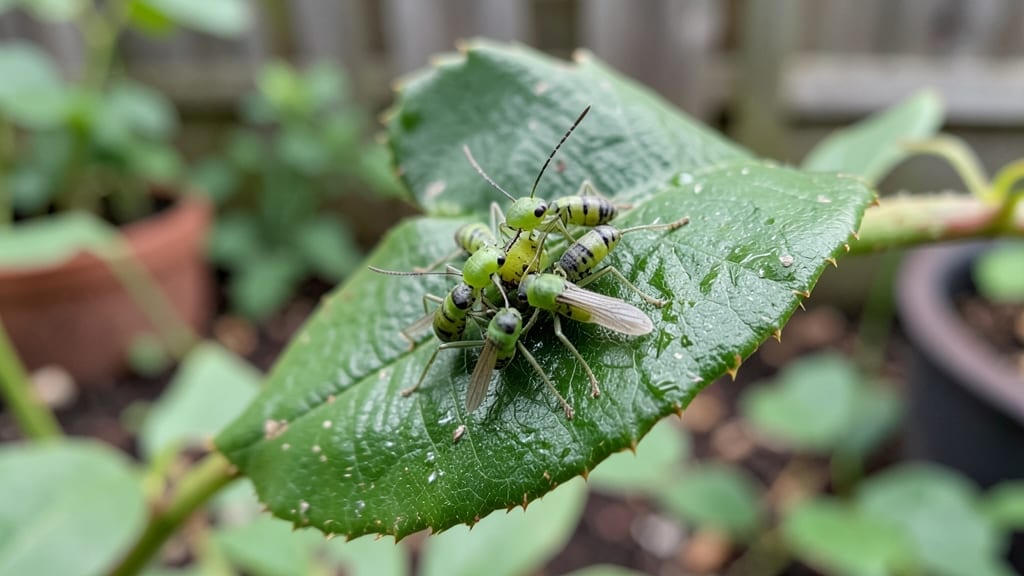
How to get rid of aphids on outdoor plants—those tiny green invaders can wipe out a plant in days. 🌿 I’ve watched aphids turn vibrant leaves into sticky, curled messes—until I discovered the boiling water trick that sends entire colonies flying in seconds. It’s not just about killing what you see; it’s about stopping the next generation before it starts.
The secret isn’t fancy sprays or expensive tools—just a 1-gallon kettle, a 5-second blast, and timing it right. Most people spray too late or too gently, letting survivors rebuild.
My method targets the eggs and nymphs hiding on undersides of leaves, not just the adults. You’ll see results in under 24 hours if you hit them at the right stage.
What you’ll end up with is plants that bounce back faster, fewer sticky residues, and no need for harsh chemicals. The boiling water kills on contact but won’t harm your soil or beneficial insects if used correctly. Plus, it’s cheaper than store-bought sprays and works even on delicate flowers.
Works for roses, veggies, fruit trees—anything aphids love. The key is consistency: repeat every 3–4 days until you stop seeing new clusters. Here’s how to do it without scorching your plants (yes, I’ve made that mistake too).
Root Causes of Aphid Infestations
Aphids may seem like tiny, harmless pests, but their rapid multiplication and plant-sucking habits make them a persistent nuisance. Understanding why they invade your outdoor plants is the first step to preventing—and eliminating—them.
These sap-feeding insects don’t just appear out of nowhere; they’re drawn by specific conditions that turn your garden into an all-you-can-eat buffet. Let’s break down the science behind their behavior and the factors that invite them in.
Aphids are opportunistic feeders—they target plants that are already struggling. When plants are weak, their defenses drop, making them easier prey. Here’s why this happens:
- Nutrient Deficiencies: Plants low in nitrogen, phosphorus, or potassium produce softer, more nutrient-rich sap—a aphid’s favorite meal. A quick soil test can reveal if your plants are malnourished.
- Overwatering or Drought: Both extremes stress plants. Overwatering leads to root rot and weak stems, while drought causes wilting, making plants less resilient. Aphids thrive in these conditions because stressed plants can’t fight back as effectively.
- Pests or Diseases: If your plants are already battling other insects (like spider mites) or fungal infections, their energy is diverted from defense mechanisms. Aphids exploit this vulnerability, often moving in after another infestation has weakened the plant.
Pro Tip: 💡 Strengthen your plants with balanced fertilization, proper watering (water at the base, not the leaves), and regular pruning to remove damaged areas. Healthy plants are far less appealing to aphids!
Not all plants are equally tempting to aphids. These pests have a preference for certain types of foliage, particularly those that:
- Grow Rapidly: Fast-growing plants, like young seedlings or tender shoots, have high sap flow, which aphids love. Think of them as the fast-food joints of the plant world.
- Have Soft, Delicate Leaves: Plants with thin, fuzzy, or waxy leaves (e.g., roses, lilacs, or basil) are prime targets. The softer the leaf, the easier it is for aphids to pierce and feed.
- Produce Honeydew: Some plants naturally produce sticky honeydew—a byproduct of aphid feeding. This sweet substance attracts more aphids (and ants, which “farm” them). If you notice ants trailing up your plants, aphids are likely nearby.
Pro Tip: 🌡️ If you’re growing aphid magnets (like roses or fruit trees), monitor them closely. Introduce companion plants like marigolds or garlic, which repel aphids naturally.
Here’s a shocking fact: ants and aphids have a symbiotic relationship. Ants protect aphids in exchange for honeydew, creating a mutualistic nightmare for gardeners. Here’s how it works:
- Ants Herd Aphids: Some ant species actively move aphid colonies to new plants, ensuring a steady food supply. They’ll even “milk” aphids by stroking their bodies to induce honeydew production.
- They Guard the Colony: Ants will aggressively defend aphids from predators (like ladybugs or lacewings), making it harder for natural enemies to control the infestation.
- They Spread Infestations: By transporting aphids to different parts of your garden—or even neighboring yards—ants accelerate the problem exponentially.
Pro Tip: ✨ Disrupt this duo by targeting ants first. Use diatomaceous earth around plant bases or set out borax bait stations to reduce ant populations. Without their protectors, aphids become vulnerable.
Aphids are cold-hardy but thrive in specific weather conditions. Their life cycles are directly tied to temperature and humidity:
- Mild Winters: Aphids often survive winter in egg form on plant stems or bark. If your region has mild winters, these eggs hatch earlier in spring, leading to earlier infestations.
- Warm, Dry Springs: Aphids reproduce asexually in warm conditions (above 50°F/10°C), leading to rapid population explosions. Dry air also makes plants more susceptible to stress.
- High Humidity: While aphids dislike soggy conditions, they love moderate humidity. It slows down natural predators (like lacewings) and keeps their bodies hydrated for feeding.
Pro Tip: 🎯 Time your interventions right. Early spring is critical—inspect plants before new growth appears and treat potential egg sites with horticultural oil or neem spray.
Sometimes, we inadvertently create the perfect aphid paradise. Common gardening habits that invite these pests include:
- Overcrowded Plants: Poor airflow between plants creates damp, shaded conditions that aphids adore. It also makes it harder to spot infestations early.
- Using Synthetic Fertilizers: While they boost growth, synthetic fertilizers can lead to soft, sappy plants that aphids find irresistible. Organic, slow-release fertilizers promote stronger defenses.
- Bringing Infested Plants Home: New plants (especially from nurseries or garden centers) can carry aphid eggs or nymphs. Always quarantine new additions for a few weeks.
- Ignoring Garden Hygiene: Debris, fallen leaves, and old plant matter provide hiding spots for aphids and their eggs. Regular cleanup disrupts their life cycle.
Pro Tip: 🔥 Practice “aphid-proof” gardening: space plants for airflow, use organic mulch to deter pests, and inspect every new plant before adding it to your garden.
Quick Fixes for Aphid Infestations
Now that you know why aphids are crashing your garden party, let’s tackle the real question: how to kick them out for good. The good news? You don’t need toxic chemicals to win this battle—just a few targeted strategies tailored to the root cause of your aphid problem.
Below, we’ll match common triggers with the most effective solutions, plus pro tips to keep those tiny pests from returning.
Aphids love weak, crowded plants because they’re easy pickings. If your garden is packed with struggling foliage, it’s time to shock and awe them into submission.
💦 Boiling Water Blast (Instant Kill)
Why it works: Aphids can’t survive sudden heat—this method kills adults, nymphs, and eggs on contact. How to do it: 1. 🔥 Boil 1–2 gallons of water in a kettle or large pot.
- 👨🍳 Carefully pour the water directly onto heavily infested leaves and stems (avoid flowers if possible).
- ⏰ Repeat every 3–5 days until no aphids remain. Pro tip: 💡 Do this on a cool, cloudy day—aphids are less active, and your plants won’t suffer heat shock.
🌿 Prune & Space Out Plants
- 🔪 Trim back overgrown branches to improve airflow.
- 🌱 Replant crowded areas with spacing to reduce aphid hiding spots.
- 🌡️ Water deeply at the base (not overhead) to avoid wetting leaves, which attracts aphids.
If you’ve spotted ants marching up your plants, they’re farming aphids for their honeydew. Break their symbiotic relationship with these tricks:
🐜 Ant Barriers (Keep Them Out)
- 🔪 Wrap tree trunks or plant stems with Tanglefoot or petroleum jelly—ants can’t cross it.
- 🌿 Sprinkle diatomaceous earth around the base of plants (safe for plants, deadly for ants).
- 🍯 Place ant bait stations (like Terro Liquid Ant Baits) far from your garden—ants will carry poison back to the colony.
💦 Soapy Water Spray (Double Whammy)
Mix 1 tbsp mild dish soap + 1 quart water and spray both aphids and ants. The soap weakens aphids’ protective coating while disrupting ant trails. ✨ Pro tip: 🌡️ Reapply after rain—soap washes off!
If you’ve recently added new plants and aphids followed, they hitched a ride. Stop the spread with these steps:
🔍 Pre-Plant Inspection Routine
- 👀 Check every leaf, stem, and underside of new plants before bringing them home.
- 🚿 Give them a 24-hour bath in soapy water before planting.
- 🏡 Keep new plants isolated for a week to monitor for pests.
🌱 Choose Resistant Varieties
Some plants naturally repel aphids. Swap susceptible favorites (like roses or basil) for:
- 🌼 Marigolds (deter aphids with strong scent)
- 🌿 Garlic & chives (aphids hate the smell)
- 🍃 Lavender (natural insect repellent)
If aphids have overrun your plants, you’ll need a combo attack for fast results:
| Method | How to Use | Best For |
|---|---|---|
| 🌿 Neem Oil Spray | Mix 1 tbsp neem oil + 1 tsp soap + 1 qt water. Spray evenly (including undersides). | Long-term control, organic gardens |
| 🐞 Ladybug Release | Buy ladybugs online (they eat 5,000 aphids/day!). Release at dusk. | Small to medium infestations |
| 💦 Horticultural Oil | Apply when aphids are dormant (cool evenings). Covers them like plastic. | Stubborn infestations on woody plants |
⚠️ Warning: Avoid insecticidal soap if temps are above 90°F—it can burn plants!
Once you’ve evicted the aphids, lock the door with these habits:
- 💡 Weekly inspections (check undersides of leaves—aphids love hiding there).
- 🌿 Companion planting (e.g., nasturtiums near veggies to distract aphids).
- 🍃 Encourage natural predators (ladybugs, lacewings, birds) by planting dill, fennel, or yarrow.
- 🚫 Avoid over-fertilizing (soft, new growth = aphid buffet).
Final thought: Aphids may be tiny, but they’re no match for a well-armed gardener. Start with one or two methods that fit your garden’s needs, then ramp up if they return.
With consistency, your plants will be aphid-free in no time—and you’ll enjoy a thriving, pest-free oasis all season long!
Frequently asked questions
Can I use vinegar to kill aphids on my outdoor plants?
Yes, but with caution! A mix of 1 part white vinegar + 1 part water + a drop of dish soap works as a contact killer. Spray directly on aphids, but avoid flowers and tender new growth since vinegar can damage them. For best results, apply in the early morning on calm days to prevent drift.
How often should I repeat aphid treatments?
For most methods (like boiling water or soapy sprays), repeat every 3-5 days until no new aphids appear. New eggs hatch daily, so consistency is key. If using neem oil or ladybugs, weekly applications work better for prevention.
Will aphids come back after I've gotten rid of them?
Yes, they often do—but you can prevent recurrence! Focus on plant health (proper spacing, balanced fertilization) and natural predators (ladybugs, lacewings). Regular inspections (especially leaf undersides) catch early reinfestations before they spread.
Are there any plants that aphids completely avoid?
While no plant is 100% aphid-proof, some are highly resistant. Marigolds, lavender, rosemary, and chives naturally repel aphids with their strong scents. Plant these as borders or companions to create natural barriers in your garden.
Is it safe to use boiling water on delicate flowers?
No, boiling water can scorch delicate blooms and damage tender stems. For flowers, use soapy water spray or neem oil instead. Always test treatments on a small area first, especially for prized or heirloom varieties.