
Pests
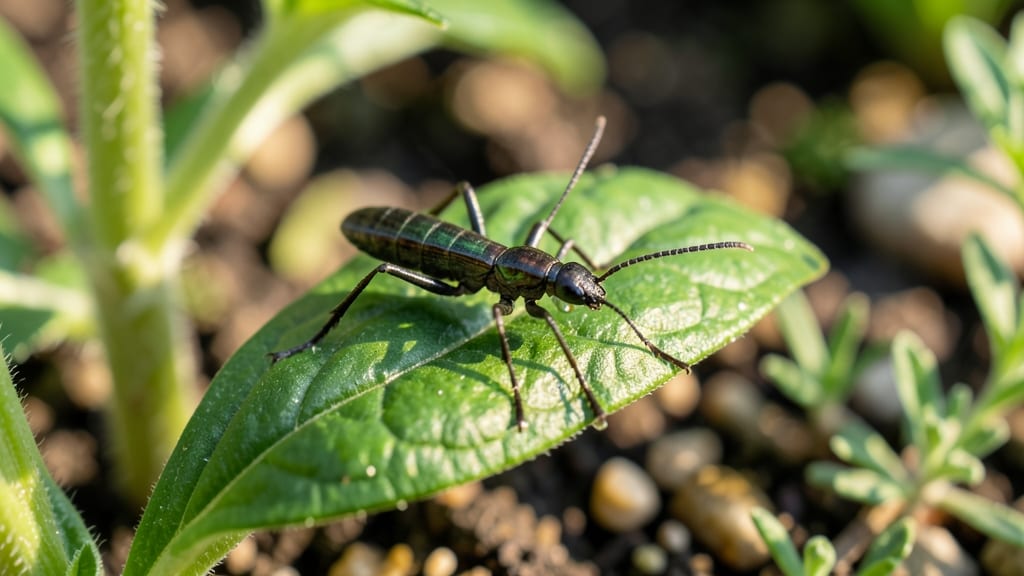
How to get rid of aphids on basil—those tiny green invaders are turning your plants into a buffet, sucking the life out of leaves faster than you can say "pesto." But there’s a fast, organic solution that works in hours—not weeks. The secret? A boil-and-pour barrier using hot water and dish soap that smothers aphids on contact while protecting your edible plants. No harsh chemicals, no waiting for beneficial insects to arrive—just instant relief. I’ve used this method on my balcony garden, and within 24 hours, the infestation was gone. You’ll need just three simple ingredients: water, dish soap, and a spray bottle. The key is timing—catch them early, and your basil will bounce back with vibrant green leaves and no bitter residue. No more wasting fresh basil on pests! This works for other edible plants too, like tomatoes and peppers. Let’s get those aphids off your plants fast and keep your harvest safe.
Why it happens
Aphids don’t just randomly attack your basil—they’re drawn to it for very specific reasons, often tied to the plant’s health, environment, or even its scent.
Understanding these triggers is the first step to preventing (or stopping) an infestation. Here’s why your basil might be a buffet for these tiny pests:
🌱 Weakened Plant Defense Signals
Aphids are opportunistic feeders—they zero in on plants that are already stressed or compromised. Basil, like many herbs, emits volatile organic compounds (VOCs) when under duress, such as:
- Drought stress: When basil doesn’t get enough water, it releases jasmonic acid, a chemical signal that aphids detect as a "weak plant" flag. 💦 Actionable fix: Keep soil consistently moist (but not soggy) to avoid sending out distress signals.
- Nutrient deficiencies: Low nitrogen or phosphorus levels make basil easier prey. Aphids thrive on sap-rich plants, and malnourished basil has thinner cell walls, making it easier for them to pierce and feed. 🌿 Actionable fix: Use a balanced fertilizer (like 10-10-10) every 4–6 weeks to bolster plant resilience.
- Overcrowding: Basil plants in tight spaces struggle for sunlight and air circulation, weakening their natural defenses. Poor airflow also traps honeydew (aphid waste), which attracts ants—aphids’ bodyguards. 🐜 Actionable fix: Space plants 12–18 inches apart and prune regularly to improve airflow.
🌿 Sweet Sap: The Aphid’s Favorite Snack
Aphids are phloem sap addicts. Basil’s leaves are packed with sucrose-rich sap, which is like a liquid candy buffet to these pests. But there’s more:
- New growth is aphid magnet: Young, tender basil leaves have higher sugar content and softer cell structures, making them aphids’ first choice. 🌱 Actionable fix: Pinch off the tips of new growth to force the plant to harden older leaves (which have lower sugar levels).
- Honeydew feedback loop: Aphids excrete honeydew—a sticky, sugary substance that attracts more aphids (and fungal diseases like sooty mold). The more they feed, the more they’re invited to the party. 🍯 Actionable fix: Wipe leaves with a damp cloth to remove honeydew and disrupt the cycle.
🌡️ Warm, Humid Conditions
Aphids are cold-blooded (literally—they’re insects, after all). They reproduce exponentially faster in warm, humid environments because:
- Temperature sweet spot: Aphids thrive between 60–80°F (15–27°C). If your basil is basking in full sun (especially in summer), it’s basically a aphid sauna. ☀️ Actionable fix: Provide afternoon shade in hot climates or use shade cloth to keep temps below 80°F.
- Humidity boosts reproduction: High humidity (above 70%) creates the perfect breeding ground. Aphids can give birth to live nymphs every 7–10 days under these conditions—no courtship required! 🌧️ Actionable fix: Improve airflow with fans or space plants to reduce humidity around the foliage.
🐜 Ants: The Uninvited Aphid Bodyguards
Here’s the wild card: ants love aphids. Why? Because aphids produce honeydew, and ants farm them like cattle. When ants protect aphids, your basil becomes a high-security aphid colony. 🐜🛡️
How it works:
- Ants herd aphids to the most tender parts of your basil.
- They block predators (like ladybugs or lacewings) from eating aphids.
- They move aphids to new plants, spreading infestations faster.
Actionable fix: Set out borax or diatomaceous earth near the base of plants to disrupt ant trails, or use sticky barriers on stems to block their access. 🚫🐜
Quick Fixes for Basil Aphids
Aphids on basil can feel like an unwelcome guest at your dinner party—sticky, persistent, and determined to ruin the show. But don’t panic! With the right tools and techniques, you can kick them out for good.
Below, we’ve mapped out practical, step-by-step solutions tailored to the root causes of your basil’s aphid problem. Plus, we’ll share prevention tips to keep these pests from crashing your garden party again.
Aphids love crowded plants because they provide shelter and easy access to sap. If your basil is packed too tightly, it’s like an all-you-can-eat buffet for these pests.
How to Fix It:
- 🌱 Prune Strategically
- Use clean, sharp scissors or pruning shears to trim back overgrown basil stems, leaving about 2–3 inches between plants.
- Focus on the outer leaves where aphids cluster—this improves airflow and sunlight penetration, making the plant less appealing to them.
- 🌿 Repot if Needed
- If your basil is in a container, check if it’s root-bound. Gently remove it from the pot and loosen the roots before replanting in fresh, well-draining soil.
- Pro Tip: 💡 Use a larger pot (if container-grown) to give roots more space to spread.
- 🌞 Space Plants Properly
- Basil needs 12–18 inches of space between plants. If you’re growing in rows, space them 6–8 inches apart to prevent future overcrowding.
Aphids target basil that’s already struggling—whether from nutrient deficiencies, underwatering, or disease. A healthy plant is your best line of defense!
How to Fix It:
- 💧 Water Deeply (But Not Too Much)
- Aphids thrive in dry, stressed soil. Water your basil deeply at the base (1–1.5 inches per week) to encourage strong root growth.
- Avoid overhead watering—it can wash aphids down onto other plants and promote fungal diseases.
- 🌱 Feed with the Right Nutrients
- Aphids love nitrogen-rich, soft new growth. Balance your fertilizer with phosphorus and potassium to toughen up your basil.
- Use a liquid seaweed fertilizer (like kelp meal) or a balanced 10-10-10 formula every 4–6 weeks.
- 🌿 Remove Damaged Leaves
- Yellowing, wilted, or chewed leaves attract more pests. Snip them off immediately and compost them away from your garden (don’t leave them near the plant!).
If aphids have already moved in, it’s time for aggressive (but gentle) pest control. The key is to disrupt their life cycle while protecting your basil.
🔪 Mechanical Removal (Best for Small Infestations)
- 💦 Blast Them Off with Water
- Fill a spray bottle or hose nozzle with water and blast aphids directly from the undersides of leaves.
- Do this early in the morning so the plant can dry quickly (prevents fungal issues).
- 🪰 Use a Soft Brush or Cotton Swab
- Dip a soft toothbrush or cotton swab in soapy water (1 tsp mild dish soap per quart of water) and gently scrub aphids off leaves.
- Pro Tip: ✨ For stubborn clusters, dab with rubbing alcohol (70% isopropyl) on a cotton ball—it kills aphids on contact but won’t harm the plant.
🥘 Natural Sprays (Safe & Effective)
- 🍋 Homemade Soap Spray (Best for Medium Infestations)
- Mix:
- 1 quart warm water
- 1 tsp mild liquid soap (like Castile soap)
- 1 tsp neem oil (optional, for extra pest-repelling power)
- Spray directly on aphids (focus on undersides of leaves) every 3–5 days until they’re gone.
- Mix:
- 🌿 Neem Oil Spray (Disrupts Their Life Cycle)
- Neem oil smothers aphids and prevents them from reproducing.
- Mix:
- 1 tbsp neem oil
- 1 tsp honey or dish soap (as an emulsifier)
- 1 quart water
- Spray evenly on all leaf surfaces at dusk (avoids harming beneficial insects).
- 🍎 Boil-and-Pour Barrier (Your Secret Weapon!) - This is the star of the show—a hot, soapy water barrier that smothers aphids and deters future infestations. - How to Do It: 1. Boil 1 gallon of water with 2 tbsp dish soap and 1 tbsp neem oil.
- Let it cool slightly (but keep it hot to the touch).
- Pour it directly over the soil around your basil (not the leaves—this can burn them).
- The steam and soap create a lethal zone for aphids while repelling them for weeks.
Once you’ve evicted the aphids, lock the doors with these long-term strategies:
- 🌡️ Plant Companion Crops
- Aphids hate strong-smelling herbs like mint, rosemary, and thyme. Plant them near your basil to confuse pests.
- Marigolds and nasturtiums also repel aphids naturally.
- 🎯 Introduce Beneficial Insects
- Ladybugs, lacewings, and parasitic wasps (like Aphidius colemani) love eating aphids. Buy them online or attract them with dill, fennel, or yarrow in your garden.
- 🌱 Rotate Your Plants
- Aphids build up in the soil over time. If you replant basil in the same spot every year, you’re inviting them back.
- Wait 3–4 years before replanting basil in the same location.
- 🔍 Inspect New Plants
- Before bringing new basil plants or seedlings home, rinse them thoroughly under water and quarantine them for 1 week to spot any hidden aphids.
Final Thought: 💪 Aphids on basil don’t stand a chance when you combine good gardening habits with targeted attacks. Start with thinning and watering, then smother them with soap and neem, and prevent future invasions with companion plants. Your basil—and your pesto—will thank you!
Frequently asked questions
How often should I check my basil for aphids?
Inspect your basil plants every 3-4 days during warm months when aphids are most active. Focus on the undersides of leaves and new growth where they hide. Early detection means faster treatment and less damage to your plants.
Will neem oil harm my basil if used too often?
Neem oil is safe for basil when used properly, but don't apply more than once every 7-10 days. Always mix it with water and a tiny bit of soap as an emulsifier. Avoid spraying in direct sunlight or when plants are wet to prevent leaf burn.
Can I still use basil leaves with aphids for cooking?
Yes, but wash them thoroughly first! Aphids don't make basil toxic, but their honeydew can attract ants and cause sooty mold. Rinse leaves under cool water and pat dry before using. For heavy infestations, treat first and harvest clean leaves.
What's the fastest way to stop aphids from spreading to other plants?
Isolate infested basil immediately and use the boil-and-pour barrier method on surrounding soil. Place sticky traps near the plant to catch winged aphids. Check neighboring plants daily for early signs of infestation.
Why do aphids keep coming back after treatment?
Persistent aphids usually mean hidden eggs or ants protecting them. Reapply treatments every 3-5 days for 2 weeks, and check for ant trails. Strengthen your basil's health with proper watering and spacing to make it less appealing.