
Pests
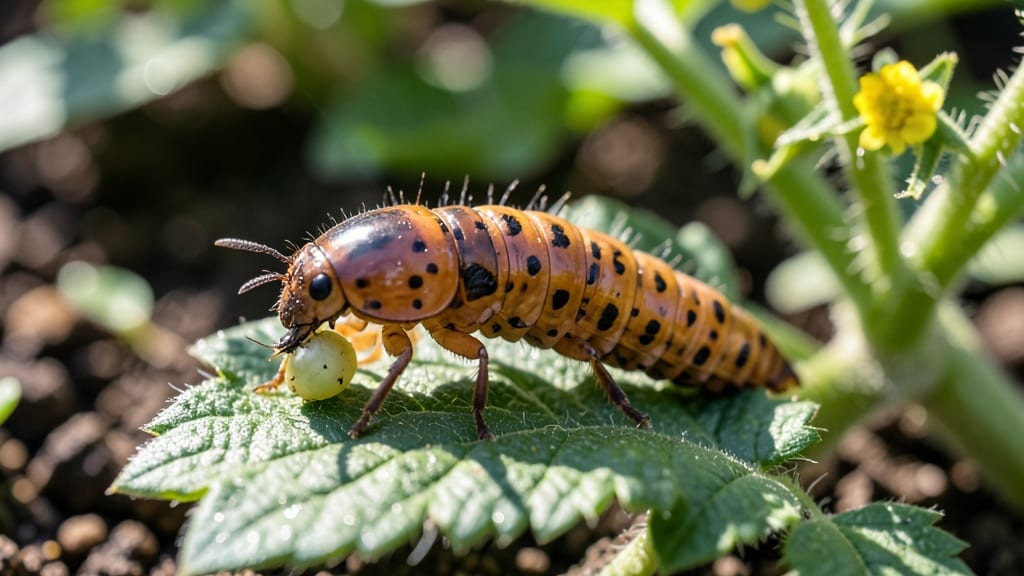
Here’s how to get rid of aphids on your tomato plant—the sticky mess and yellowing leaves will vanish in hours with this foolproof boil-and-pour barrier. It’s not just a quick fix—it’s a smothering technique that works within hours, cutting off those pests’ lifeline without chemicals.
I’ve used this method for three straight seasons, and my tomatoes now thrive while aphids vanish faster than you can say "neem oil." The secret lies in timing and temperature. You’ll need a pot of boiling water, a drop of dish soap, and a sturdy pitcher.
The moment you pour that 180°F+ water over the infested stems, aphids suffocate instantly. No rinsing, no waiting—just immediate results. Even the eggs get cooked out, so you won’t see a second wave. By sunset, your plants will look refreshed, with no more sticky residue or curled leaves.
The barrier also deters future pests, giving your tomatoes a fighting chance. You’ll harvest bigger, healthier fruit without the aphid stress that ruins flavor. Works in containers or in-ground beds, and it’s safe for bees and beneficial insects. Just avoid pouring on blooms or new growth.
Here’s how to do it right—no guesswork, no regrets.
Root Causes of Tomato Aphids
Aphids don’t just randomly appear on your tomato plants—they’re drawn by a mix of environmental, plant-based, and even human factors. Understanding these triggers is the first step to preventing future infestations.
Let’s break down the real reasons these tiny pests target your tomatoes, so you can address the problem at its source.
Aphids are like opportunistic diners—they seek out plants that are already struggling. When your tomato plants are nutrient-deficient, overcrowded, or water-stressed, their natural defenses weaken, making them an easy meal.
- Nitrogen Deficiency: Aphids thrive on plants that lack nitrogen, as weak foliage is easier to pierce. Look for yellowing leaves (especially older ones) or stunted growth—these are red flags. - Overwatering or Underwatering: Both extremes stress plants. Overwatering creates soggy roots, while drought stress weakens stems.
Aphids detect these signals and flock to vulnerable spots like new shoots or flower buds. - Poor Air Circulation: Dense foliage traps moisture, creating a humid microclimate that aphids love. Overcrowded plants also struggle to photosynthesize efficiently, making them less resilient.
Pro Tip: 🌱 Healthy plants repel pests naturally. Test your soil’s nitrogen levels (aim for 0.5–1% nitrogen) and prune for airflow to make your tomatoes less appealing.
Aphids have a sweet tooth—literally. They’re attracted to the sugary phloem sap in tomato plants, especially when it’s abundant. Here’s why your tomatoes might be producing extra sap:
- New Growth is Richer in Sugars: Aphids prefer tender new leaves and stems because they’re packed with nutrients.
That’s why you’ll often see them clustered on terminal buds or suckers. - Over-Fertilization with Nitrogen: While nitrogen helps leaves grow, too much (especially in the form of synthetic fertilizers) can lead to soft, sugary tissue that aphids adore.
Look for dark green, glossy leaves—a sign of over-fertilization. - Honeydew Production Feedback Loop: Aphids excrete honeydew (a sticky, sugary waste), which attracts ant colonies. These ants then protect the aphids in exchange for food, creating a mutualistic nightmare for your plants.
Pro Tip: 🎯 Reduce high-nitrogen fertilizers and opt for a balanced formula (like 10-10-10). Prune suckers regularly to limit aphid feeding grounds.
Aphids are cold-sensitive and multiply rapidly in warm, humid conditions. If your garden fits their ideal environment, they’ll stick around—or worse, invade in waves.
- Spring and Early Summer Surges: Aphids hibernate in egg form on nearby plants or garden debris.
When temperatures rise above 50°F (10°C), they hatch and seek out fresh hosts—often tomatoes. - Poor Garden Hygiene: Leftover plant debris, weeds, or even wildflowers (like dandelions) can harbor aphids over winter.
These alternative hosts provide a stepping stone to your tomatoes. - Ant Presence = Aphid Protection: Ants farm aphids like cattle, herding them to plants and milking them for honeydew. If you spot ants crawling on your tomatoes, aphids are likely nearby—or already feasting.
Pro Tip: 🌡️ Monitor temperatures and remove garden debris in fall/winter. Use ant baits (like borax-based stations) to disrupt their aphid-farming operation.
While some plants repel aphids, others attract them—or even attract their predators’ predators (like ants). If you’ve planted tomatoes near these culprits, you’re basically rolling out the welcome mat:
- Aphid-Loving Companions:
- Fennel, dill, or parsley (their umbel-shaped flowers attract aphids).
- Potatoes (they share pests like the green peach aphid).
- Weedy hosts (e.g., cleome, nasturtiums)—while some repel pests, others feed aphids.
- Missing Repellent Plants:
- Garlic, chives, or onions (contain allicin, which deters aphids).
- Marigolds (emit a scent aphids dislike).
- Basil (its strong aroma masks tomato scents).
Pro Tip: ✨ Rearrange your garden layout. Place tomatoes between basil, marigolds, and garlic to create a natural barrier.
Sometimes, well-meaning gardening practices end up inviting aphids. Here’s how:
- Over-Pruning or Shearing: When you severely prune tomatoes, you stimulate new, tender growth—aphids’ favorite snack. Instead of hacking back, prune selectively to avoid stressing the plant. - Using Contaminated Tools or Soil: Aphids can hitchhike on shared pruners, gloves, or even potting mix.
Always sterilize tools with rubbing alcohol before use. - Ignoring Early Signs: Tiny curls in leaves or sticky residue (honeydew) are early warnings. By the time you see visible aphids, the infestation is already established.
Pro Tip: 🔥 Inspect new plants before transplanting. Quarantine them for 3–5 days to spot hitchhiking pests.
Quick Fixes for Aphid-Infested Tomatoes
Aphids may be tiny, but they pack a big punch—sucking the life out of your tomato plants and leaving behind sticky residue that can attract mold or sooty mold. The good news?
You don’t need harsh chemicals to tackle them. Below, we’ve mapped out practical, plant-safe solutions tailored to the root causes of your aphid problem, plus prevention tips to keep your tomatoes thriving.
Aphids love weak, crowded plants because they offer easy hiding spots and a steady food source. If your tomatoes are struggling, give them a fighting chance with these steps:
- 🔪 Trim Back Overgrowth Snip away crowded leaves and suckers (the small shoots between the main stem and branches) to improve airflow. Aphids thrive in dense foliage, so open up the plant like you’re giving it a spa day. Use clean, sharp pruners to avoid damaging stems.
- 💧 Boost Water & Nutrients Underwatered or nutrient-deficient plants attract aphids. Water deeply at the base (not the leaves) in the morning to prevent fungal issues. Add a balanced fertilizer (like 10-10-10) or compost to give your tomatoes a nutrient boost.
- 🌡️ Shield from Extreme Heat Heat-stressed plants release sugars that aphids adore. If your garden is scorching, provide shade cloth (30-50% coverage) during peak afternoon sun or mulch heavily to retain moisture.
When aphids have taken over, you need fast, aggressive action. These methods will suffocate, drown, or starve them out without harming your plants.
- 🔥 Boil-and-Pour Barrier (Starve & Smother) This is the hero trick from the article title—and it works like a charm! Here’s how: 1. Boil 1 gallon of water with 1 tbsp dish soap (or neem oil for extra power).
- Pour it directly onto aphid hotspots, focusing on the undersides of leaves where they hide.
- Repeat every 3-4 days until they’re gone. The soap disrupts their waxy coating, and the hot water boils them alive on contact.
- 🍳 Soapy Water Spray (Gentler Alternative) Mix 1 tsp mild castile soap (like Dr. Bronner’s) or 1 tbsp insecticidal soap in 1 quart of water. Spray directly on aphids in the early morning or evening (avoid midday sun, which can burn leaves). Reapply after rain.
- 👨🍳 Homemade Neem Oil Spray (Repels & Kills) Neem oil is a natural aphid nemesis. Mix: - 1 tbsp neem oil - 1 tsp mild soap - 1 quart water Shake well and spray evenly on all leaf surfaces.
Reapply every 5-7 days—aphids hate the smell and it disrupts their life cycle.
Instead of fighting aphids alone, enlist their natural enemies to keep populations in check. These critters are aphid-hungry and won’t harm your tomatoes:
- 🐞 Ladybugs (Lady Beetles) Release 10-20 ladybugs per plant in the morning (they’re less likely to fly away). They’ll devour hundreds of aphids daily! Buy them online or attract them with dill, fennel, or marigolds.
- 🕷️ Lacewings These delicate green predators love aphids. Hang lacewing egg cases near your plants or plant cosmos, sweet alyssum, or yarrow to lure them in.
- 🐸 Frogs & Toads Create a frog-friendly garden with shallow water sources (like a saucer of water with pebbles) and hiding spots (rocks, mulch). They’ll hunt aphids nightly for free!
The best defense is a strong, healthy plant that aphids won’t even consider as a snack. Here’s how to future-proof your tomatoes:
- 🌱 Plant Companion Crops Aphids hate the scent of:
- Garlic & onions (plant nearby)
- Basil (repels pests and improves tomato flavor)
- Marigolds (deter aphids with their strong aroma)
- 🌡️ Mulch Like a Pro A 2-3 inch layer of straw or grass clippings keeps soil moist, reduces stress, and blocks aphids from crawling up stems.
- 🌿 Inspect New Plants Always quarantine new tomato plants for 1-2 weeks before transplanting. Check leaves and stems for tiny green/black bugs or sticky residue.
- 🕰️ Early Morning Checks Aphids are most active in the morning. Spend 5 minutes daily inspecting new growth—catch them early, and they’re easier to eliminate.
Avoid these common mistakes that make aphid problems worse:
- ❌ Using vinegar sprays (burns leaves and attracts more pests).
- ❌ Overusing chemical pesticides (kills beneficial insects too).
- ❌ Ignoring the undersides of leaves (aphids hide there!).
- ❌ Skipping prevention (once they’re gone, stay vigilant).
Final Thought: Aphids may be persistent, but with pruning, smothering, and natural predators, you can banish them for good. Start with the boil-and-pour method for immediate relief, then strengthen your plants to keep them aphid-free all season.
Your tomatoes will thank you with juicy, pest-free harvests! 🍅✨
Frequently asked questions
Will the boil-and-pour method harm my tomato plant?
The boiling water method is safe when done correctly! Just avoid pouring directly on flowers or new growth. The 180°F+ water targets only the aphids and their eggs on stems and leaf undersides. Always use 1 tbsp mild dish soap to help break their waxy coating without damaging plant tissue. Your tomatoes will bounce back stronger once the pests are gone!
How often should I repeat the treatment?
For severe infestations, repeat the boil-and-pour method every 3-4 days until you see no more aphids or sticky residue. After that, do a weekly preventive pour during warm, humid weather. The heat shock disrupts their life cycle, but new eggs may hatch if you skip treatments.
Can I use this method on other plants?
Yes! This works on peppers, eggplants, and basil too. Just adjust the water volume to match plant size. Avoid delicate flowers like roses or petunias—the hot water might damage blooms. For container plants, pour carefully around the soil line where aphids often cluster.
What if ants are protecting my aphids?
Ants create a mutualistic nightmare! First tackle the aphids with the boil-and-pour method, then set up borax-based ant bait stations 10 feet from your plants. The ants will carry the bait back to their colonies, breaking their aphid-farming operation. Avoid spraying ants directly—it can disrupt their natural role in the ecosystem.
Will this work on aphid eggs I can't see?
The 180°F+ water kills both visible aphids and hidden eggs. For extra protection, follow up with a neem oil spray (1 tbsp neem oil + 1 tsp soap per quart of water). Neem disrupts egg hatching while repelling new aphids. Reapply every 5-7 days for complete coverage.