
Companion Plants
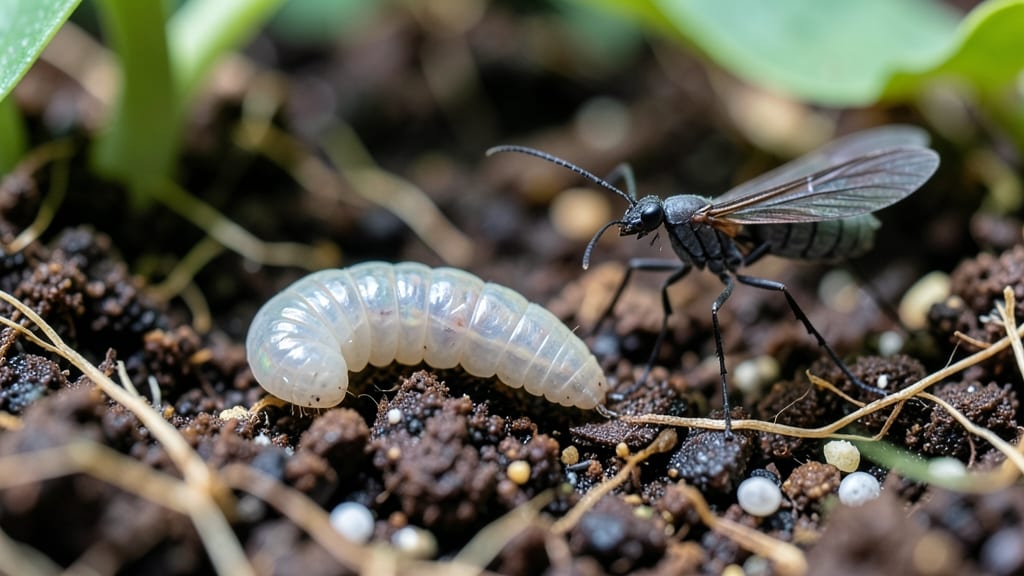
Bugs in house plant soil aren’t just annoying—they’re stealing your plant’s life force. 🌱 I’ve battled fungus gnats, root maggots, and nematodes, and this boil-and-pour barrier method smothers eggs and larvae before they hatch, saving my plants without harsh chemicals. The secret?
A simple, science-backed trick that works in minutes. This method targets the soil layer where pests hide, cutting off their life cycle before you even see them. You’ll need just three household items and 10 minutes of your time.
No more watching your plant’s roots turn to mush while you wait for store-bought pesticides to work. By the end, your soil will be clean, sterile, and pest-free—no more tiny flying bugs or wilting leaves. The best part?
This technique keeps working long after the treatment, giving your plants a fighting chance to thrive without constant battles. Works for all houseplants, from ferns to succulents, and won’t harm your plants if done right. Let’s stop those bugs before they start.
Root Causes of Soil Bugs
Bugs invading your house plant soil aren’t just random visitors—they’re drawn in by specific conditions that turn your potted plants into a five-star hotel. Understanding why these pests show up is the first step to stopping them.
Below, we break down the most common culprits and the science behind their infestations.
Most houseplant owners assume "more water = happier plant," but soggy soil is a magnet for fungus gnats, shore flies, and even slugs. Here’s why:
- Excess moisture speeds up organic matter decomposition, releasing nutrients that attract microbial-feeding insects. Think of it like a dumpster behind a restaurant—bugs flock to the easy meal.
- Anaerobic conditions (low oxygen) develop in waterlogged soil, which some pests—like Sciarid fly larvae—prefer. They thrive in these "rotting" environments, burrowing into roots.
- Fungal growth (e.g., Botrytis or Pythium) from overwatering provides food for fungus gnats. Their larvae munch on fungal hyphae like spaghetti.
Pro tip: If your soil stays damp for more than 2–3 days after watering, you’re overdoing it. Repot with perlite or orchid bark to improve aeration.
Even if you water correctly, compacted or non-porous soil traps moisture, creating the perfect breeding ground for pests. Here’s the science:
- Clay or dense potting mixes don’t allow water to escape, leading to root rot and thrips or mealybugs that love stressed plants.
- No gravel or sand layers at the pot’s bottom means water pools, encouraging springtails (tiny, dark bugs that jump) to multiply exponentially.
- Old, decomposed soil loses structure over time, becoming a paste-like medium that pests adore. It’s like switching from a dry cereal box to a wet cardboard fort for bugs.
Pro tip: Test your soil’s drainage by filling a cup with water and your soil mix. If water drains in under 10 minutes, it’s good. If it pools, amend with coarse sand or vermiculite.
Dead leaves, old mulch, or uneaten plant food don’t just look messy—they’re all-you-can-eat buffets for bugs. Here’s how it happens:
- Decomposing matter (like fallen leaves or coffee grounds) releases volatile organic compounds (VOCs) that attract fruit flies and mold mites.
- Pet hair, dust, or spider webs in soil provide shelter for springtails and booklice, which feed on fungi and algae growing in these microhabitats.
- Uneaten fertilizer granules (especially high-nitrogen ones) create a chemical gradient that lures fungus gnats to lay eggs in the soil.
Pro tip: Sift out debris with a fine mesh screen before repotting, and avoid piling mulch directly on soil—keep it 1 inch away from the pot’s edge.
If your plants spend time outside—even on a balcony—they’re vulnerable to outdoor pests. Here’s how bugs invade:
- Wind or rain carries aphid or whitefly eggs from nearby plants into your pots.
- Wildlife visitors (like ants, spiders, or even birds) can drop eggs or larvae in soil while foraging.
- Infested potting soil or tools (trowels, gloves) transfer pests from one plant to another like a bug subway system.
Pro tip: Before bringing plants inside, isolate them for 2 weeks and inspect soil for hitchhikers with a magnifying glass.
Now that you know the why, the next step is cutting off their food, water, and shelter—starting with a boil-and-pour barrier that smothers eggs and larvae on contact.
Quick Fixes for Common Soil Bugs
Now that you know what’s lurking in your plant’s soil, let’s tackle those pests with targeted, effective solutions. Below, we’ll map the most common culprits to their fixes—plus pro tips to keep your plants thriving long-term.
Cause: Overwatered, soggy soil attracts these tiny flies, whose larvae feast on roots. Fix:
- 🔥 Boil-and-Pour Barrier (Your Secret Weapon): Boil 1 gallon of water, pour it directly into the soil (let it cool slightly first to avoid shocking roots). This smothers eggs and larvae on contact. Repeat weekly for 2–3 weeks.
- 🍳 Yellow Sticky Traps: Place yellow cards coated with petroleum jelly near the plant to catch adult flies before they lay eggs.
- 👨🍳 Adjust Watering Habits: Let the top 1–2 inches of soil dry out between waterings. Use pots with drainage holes to prevent soggy conditions.
💡 Prevention Tip: Top-dress soil with coarse sand or perlite to improve drainage and deter larvae.
Cause: These sap-sucking pests hide under leaves or in soil crevices, leaving sticky residue. Fix:
- 🥘 Rubbing Alcohol Spray: Mix 1 part rubbing alcohol with 3 parts water in a spray bottle. Dab (don’t drown!) the soil surface and affected leaves to dehydrate bugs. Repeat every 3–4 days.
- 🔪 Neem Oil Soil Drench: Mix 1 tsp neem oil + 1 tsp mild soap + 1 quart water. Pour into the soil to suffocate eggs and deter adults. Reapply weekly.
- ⏰ Isolate & Prune: Remove heavily infested leaves or soil clumps and dispose of them in sealed bags.
🌡️ Prevention Tip: Inspect new plants for hitchhikers before bringing them home—quarantine for 2 weeks.
Cause: Dry soil and dusty leaves create the perfect environment for these tiny arachnids. Fix:
- 💦 Strong Water Stream: Use a forceful spray from a hose or showerhead to blast mites off leaves and soil. Do this twice weekly for 10–14 days.
- 🍎 Horticultural Oil: Apply a light oil spray (like neem or canola oil) to the soil surface to smother mites. Avoid over-saturating.
- 🌿 Increase Humidity: Place a tray of water near the plant or use a humidifier—mites hate moisture.
🎯 Prevention Tip: Wipe leaves with a damp cloth weekly to remove dust and deter mites.
Cause: These jumping pests thrive in moist, organic-rich soil and multiply rapidly. Fix:
- 🔥 Baking Soda Dusting: Sprinkle a thin layer of baking soda on the soil surface (avoid direct root contact). It raises pH, making conditions unfavorable for springtails.
- 🌡️ Let Soil Dry Between Waterings: These bugs love dampness—water only when the top inch is bone-dry.
- 🍳 Diatomaceous Earth (DE): Lightly dust food-grade DE on the soil. It dehydrates bugs but is safe for plants (reapply after watering).
✨ Prevention Tip: Reduce organic matter in soil—overly rich potting mix is an all-you-can-eat buffet for springtails.
No matter the pest, these habits keep soil healthy and bug-free:
- ✅ Repot annually to refresh soil and remove old debris.
- ✅ Use sterile potting mix (sterilized or new bags) to avoid bringing in eggs.
- ✅ Rotate companion plants—some (like marigolds or basil) repel pests naturally.
- ✅ Avoid over-fertilizing—bugs love nutrient-rich soil like a buffet.
Remember: Consistency is key! Most soil bugs take 2–4 weeks to fully eradicate. Stick with your chosen method, and your plants will bounce back stronger. 🌱
Frequently asked questions
Will the boil-and-pour method harm my plant's roots?
Not if done correctly! Let the boiled water cool slightly (10-15 seconds) before pouring to avoid shocking roots. The method targets soil-dwelling pests at the surface layer where eggs and larvae hide, without affecting deeper root zones. For extra protection, apply it after watering when soil is already moist.
How often should I reapply treatments like neem oil or diatomaceous earth?
Neem oil should be reapplied every 5-7 days for persistent infestations, while diatomaceous earth (DE) needs reapplication after each watering since it loses effectiveness when wet. For both, always use food-grade products and avoid direct contact with leaves to prevent damage.
Can I use this method for all types of houseplants?
Yes, but with caution for delicate plants like ferns or orchids. The boil-and-pour method works for most plants, but always test on a small area first. For succulents and cacti, reduce water volume by half to prevent root rot. The key is consistency—treat all plants in the same room simultaneously to prevent cross-contamination.
Why do I keep getting new bugs after treatment?
This usually means eggs or larvae survived in undisturbed soil layers. To break the cycle, combine treatments: use the boil-and-pour method weekly for 3-4 weeks, then repot with fresh, sterile soil. Also check for hidden moisture sources—pests often return if soil stays too damp between waterings.
Are there any natural predators I can introduce to control pests?
Beneficial nematodes (like Steinernema carpocapsae) target larvae in soil, while ladybugs and lacewings eat aphids and mites. Start with small quantities—overpopulation can become a problem. Apply nematodes to moist soil in the evening when they're most active, and release predators near infested areas.