
Pests
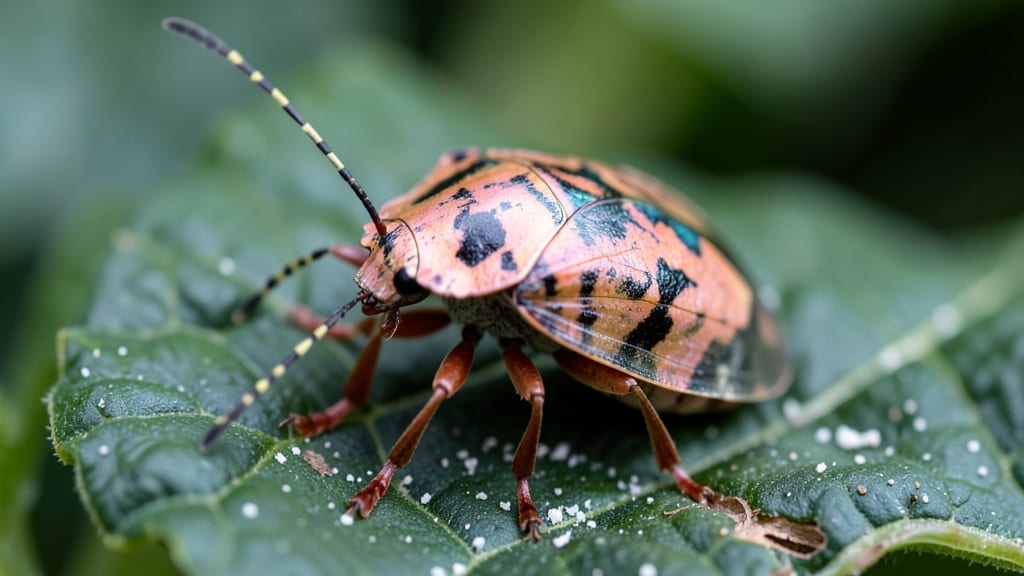
How to get rid of bugs on collard greens—that boiling water trick actually works. ✨ I’ve saved my entire crop using nothing but a kettle and a little strategy—no harsh chemicals, no waiting weeks for results. The secret is timing and technique, and I’ll show you exactly how to smother pests before they chew through your harvest.
Most bugs—aphids, cabbage worms, even flea beetles—can’t survive a quick blast of 212°F water. The key is applying it at the right moment: early morning when pests are sluggish and leaves are dry.
One pass with a watering can or kettle sends them scattering, and your plants bounce back in under 24 hours. No residue, no harm to your collards, just instant relief.
You’ll see fewer holes in leaves, healthier growth, and a harvest that stays crisp and tender. The method works on kale, mustard greens, and other brassicas too—just adjust the water volume based on plant size. Best part? It’s a last-resort trick that actually delivers when sprays fail.
Works in containers or garden beds, and you can repeat every few days if needed. Ready to reclaim your collards? Let’s get those bugs gone for good.
Root Causes Of Bug Infestations
Collard greens are a magnet for pests—not because they’re weak, but because they’re nutrient-dense, fast-growing, and often grown in conditions that attract insects. Understanding why bugs target your collard greens is the first step to outsmarting them.
Below, we break down the science behind the most common culprits and their motivations.
Bugs thrive where plants are weak. When collard greens are overcrowded, underfed, or struggling, they become an easy snack for pests. Here’s why:
- Poor air circulation: Dense foliage traps moisture, creating a humid microclimate that loves aphids, whiteflies, and fungus gnats. These pests multiply rapidly in damp, shaded conditions.
- Nutrient deficiency: If your soil lacks nitrogen, phosphorus, or potassium, collard greens produce softer, more tender leaves—a buffet for chewing insects like cabbage loopers and flea beetles.
- Water stress: Too much or too little water weakens plants. Overwatering leads to root rot and attracts slugs/snails, while drought stress makes leaves crispy and vulnerable to spider mites.
Actionable fix: Space plants 12–18 inches apart, mulch to retain moisture, and use a balanced fertilizer (like 10-10-10) every 4–6 weeks.
Some bugs are drawn to collard greens like a moth to a flame—because the plants emit chemical signals or provide ideal habitats. Here’s the science:
- Volatile organic compounds (VOCs): Collard greens release glucosinolates (bitter compounds) when damaged, which attract parasitic wasps—but also aphids and cabbage worms that feed on stressed leaves.
- Sap-sucking magnets: Aphids and whiteflies love the phloem sap in collard greens, inserting their proboscis to drain nutrients. Their sticky honeydew then attracts sooty mold, further stressing the plant.
- Larval hotspots: Cabbage loopers and imported cabbageworms lay eggs on the undersides of leaves because the young caterpillars hide in the dense foliage until they’re big enough to munch openly.
Actionable fix: Interplant with basil, thyme, or dill (which repel pests) and avoid over-fertilizing with nitrogen, which makes leaves even more appealing to sap-suckers.
Your garden might be an unintentional pest hotel. Bugs don’t just appear—they’re drawn to:
- Debris & weeds: Piles of old leaves, grass clippings, or unharvested collard debris provide hiding spots for eggs and adult pests (e.g., flea beetles overwinter in leaf litter).
- Monoculture planting: Growing only collard greens (or other brassicas) in one area makes it a target-rich environment for pests like harlequin bugs, which specialize in these crops.
- Adjacent infested plants: If nearby kale, mustard greens, or radishes are bug-ridden, pests will spill over to your collards via wind or crawling.
Actionable fix: Rotate crops yearly, remove plant debris, and use companion planting (e.g., carrots + collards disrupt pest life cycles).
Temperature, humidity, and seasonality directly impact pest populations. Here’s how:
| Pest | Trigger | Why It Works for Them |
|---|---|---|
| Spider mites | Dry, hot weather (above 85°F) | Low humidity causes them to explode in numbers as they seek moisture in plant sap. |
| Flea beetles | Warm soil (60–70°F) | They emerge from pupation in spring, chewing new collard leaves into Swiss cheese. |
| Slugs & snails | Cool, damp nights (50–65°F + rain) | They become hyperactive when humidity is high, leaving slimy trails on leaves. |
Actionable fix: Use row covers in early spring to block flea beetles, and mulch with coarse material (like cedar chips) to deter slugs without trapping moisture.
Now that you know why bugs are crashing your collard green party, the next step is smothering them fast—starting with a boiling water barrier. 🔥
Quick Fixes for Common Collard Green Pests
Now that you know what’s munching on your collard greens, it’s time to take action! These solutions are practical, effective, and designed to keep your plants thriving. Below, we’ve matched common pests to their fixes—plus prevention tips to stop future invasions.
Fix: Aphids cluster on the undersides of leaves, draining nutrients and leaving sticky residue (aka "honeydew"). Here’s how to evict them fast:
- 🔥 Boiling Water Blast: Fill a small watering can with boiling water, add a drop of dish soap, and pour it directly over infested leaves. The heat kills aphids on contact. Do this early in the morning or evening to avoid burning plants in direct sun.
- 🍳 Homemade Spray: Mix 1 quart of water, 1 tsp of dish soap, and 1 tbsp of neem oil. Spray leaves thoroughly, focusing on undersides. Repeat every 3–5 days until gone.
- 👨🍳 Beneficial Insects: Release ladybugs or lacewings—they love aphids and will devour them naturally.
💡 Prevention Tip: Plant garlic, chives, or marigolds nearby. Their strong scents repel aphids, and they’re easy to grow alongside collards.
Fix: These tiny black beetles chew jagged holes in leaves, making your collards look like Swiss cheese. Stop them with these methods:
- 🥘 Floating Row Covers: Use lightweight fabric covers to shield young plants. Secure edges with soil or rocks to prevent beetles from hopping in.
- 🔪 Diatomaceous Earth: Sprinkle food-grade DE around the base of plants (avoid direct contact with leaves—it can harm beneficial insects). The microscopic particles dehydrate beetles.
- 🌡️ Mulch Barrier: Apply a thick layer of straw or grass clippings around plants. Flea beetles dislike crawling through mulch and may avoid treated areas.
💡 Prevention Tip: Rotate crops—don’t plant collards in the same spot year after year. Flea beetles thrive in familiar territory!
Fix: These green caterpillars (larvae of cabbage butterflies) can defoliate collards in days. Act fast with these tactics:
- 🔪 Handpick & Drop: Check leaves daily, especially in the morning. Drop worms into soapy water to kill them instantly.
- 🥘 Bacillus thuringiensis (Bt): A natural bacterial spray (like Xentari or Thuricide) that kills caterpillars when they eat treated leaves. Reapply after rain.
- 🍳 Beer Trap: Bury a container filled with beer at soil level. Cabbage worms are attracted to the smell and drown. Refresh every few days.
💡 Prevention Tip: Plant dill or tansy nearby—these herbs attract parasitic wasps, which lay eggs in cabbage worms, killing them from the inside out.
Fix: These slimy pests leave shiny trails and irregular holes in leaves. Trap or deter them with these methods:
- 🥘 Beer Traps: Bury a shallow dish filled with beer near plants. Slugs crawl in and can’t crawl out. Replace every 2–3 days.
- 🔪 Copper Barrier: Place copper tape around garden beds. The metal gives slugs a mild electric shock, deterring them.
- 🌡️ Egg Carton Barriers: Invert egg cartons around young plants. Slugs can’t crawl over the rough edges.
💡 Prevention Tip: Water in the morning (not at night). Slugs thrive in damp conditions, so keeping soil dry reduces their activity.
Want to keep bugs away long-term? Follow this 5-step routine:
- 🌱 Healthy Soil = Strong Plants: Amend soil with compost to boost plant resilience.
- ⏰ Regular Inspections: Check leaves 2–3 times a week for early signs of pests.
- 🌿 Companion Planting: Grow nasturtiums, thyme, or basil near collards—they repel many pests naturally.
- 🧼 Clean Up Debris: Remove fallen leaves and plant waste where pests hide.
- 🔄 Crop Rotation: Avoid planting brassicas (like collards) in the same spot for 3+ years.
✨ Pro Tip: If pests persist, rotate methods—don’t rely on just one solution. Bugs adapt, but you can stay one step ahead!
Frequently asked questions
Can I use boiling water on collard greens if it’s raining?
Wait for dry conditions—never apply boiling water to wet leaves. The steam can scald tender foliage, causing more harm than good. Aim for early morning when leaves are dry but dew hasn’t fully evaporated. If rain is forecast, use a neem oil spray instead as a temporary solution.
How often should I repeat the boiling water treatment?
Every 3-5 days for active infestations, but check leaves first. If you see new pests, repeat immediately. Once bugs disappear for a full week, reduce to weekly maintenance. The key is consistency—pests rebound quickly if you stop mid-treatment.
Will boiling water harm beneficial insects like ladybugs?
Yes, it will kill beneficial insects too—use boiling water only as a last-resort emergency treatment. For regular pest control, opt for targeted solutions like soapy water sprays or beneficial insect releases (ladybugs, lacewings). The boiling water method is best for severe outbreaks when other methods fail.
What’s the best time of day to apply boiling water?
Early morning (between 6-9 AM) is ideal—leaves are dry, pests are sluggish, and the sun hasn’t heated up yet. Avoid midday when leaves are hot (risk of burning) and evening when pests become active again. The cooler temperatures help protect your plants while maximizing pest kill.
Can I use this method on container-grown collard greens?
Containers make boiling water even more effective since you can target the entire plant. Just tilt the pot slightly and pour carefully to avoid overflow. For small containers, a small watering can works better than a kettle. The same rules apply—dry leaves and early morning timing.