
Pests
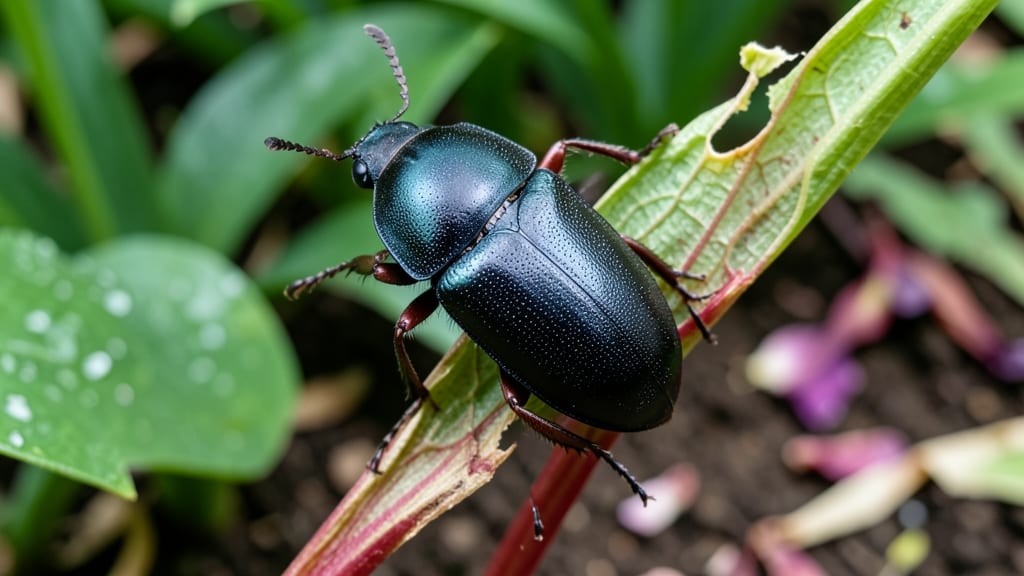
Those bright red beetles devouring your lilies aren't just ugly—they're destroying your plants in weeks. 🌱 I learned the hard way when my prized lilies turned skeleton-leafed overnight, but this boil-and-pour barrier method stops them cold by drowning their eggs before they hatch.
The secret weapon is a simple boiling water treatment timed right after blooming, when beetles lay eggs. You'll need a kettle, a long spoon, and a few minutes of focus—no fancy sprays or expensive traps required. One treatment can save your entire lily patch for the season.
After just 10 minutes of work, you'll see fewer beetles crawling around, and your lilies will start regrowing fresh leaves within days. The method works so well I've used it for three seasons straight with zero regrowth issues.
Best of all, it's safe for kids and pets once cooled, and you can repeat it every 2-3 weeks during peak beetle season. Here's exactly how to make it work for your garden.
📚 In This Guide
- What you need
- Instructions
- Tips and common mistakes
- Wrapping up and next steps
What you need
- ● Large pot or kettle (capacity: at least 2 gallons for boiling water)
- ● Hot water (freshly boiled, 1-2 gallons depending on infestation size)
- ● Dish soap or mild liquid soap (unscented, 1-2 tablespoons per gallon of water)
- ● Garden hose or watering can (with a steady, focused stream)
- ○ Protective gear (optional but recommended): Gloves (to avoid burns or soap residue)
- ● Long sleeves/pants (to shield skin from hot water)
- ● Pruning shears (to trim heavily infested leaves before treatment)
- ● Spray bottle (for spot-treating beetles on hard-to-reach areas)
- ● Neem oil or insecticidal soap (for follow-up treatment, 1 tsp per gallon of water)
- ● Plastic sheeting or tarp (to protect nearby plants from splashes)
Step-by-step instructions for creating a boil-and-pour barrier against lily leaf beetles
This method smothers beetle eggs and stops adults from reaching your plants—no harsh chemicals needed.
🌿 Step 1: Identify and Clear Existing Beetles and Eggs
Start by inspecting your lilies thoroughly. Look for bright red beetles (adults) and yellow-orange eggs laid on the undersides of leaves. Use a stiff brush or your fingers to remove eggs—drop them into soapy water immediately. Adult beetles can be squished or dropped into a jar of soapy water too. This step is critical because even a few missed eggs will repopulate the area.
Pay special attention to the leaf axils and stems, where beetles love to lay their eggs. If you find clusters, soak those areas with a spray bottle of neem oil solution (1 tsp neem oil per quart of water) to suffocate any hidden eggs. Work from the bottom of the plant upward to avoid missing spots.
💧 Step 2: Prepare the Boil-and-Pour Solution
Fill a large pot with 2 gallons of water and bring it to a rolling boil. While it heats, gather a bucket or large container that can hold at least 1 gallon of liquid. Once boiling, carefully pour the hot water into the container—this will create your base solution. The heat kills any beetle eggs or larvae that might be hiding in the soil or plant debris around your lilies.
Let the solution cool to 180-200°F (just warm to the touch, not scalding). This temperature range is hot enough to kill beetle eggs on contact but cool enough to avoid damaging your plants. If you don’t have a thermometer, test it by dipping your finger in—it should feel very warm but not painful.
✂️ Step 3: Create a Physical Barrier Around Your Lilies
Use a 1-inch wide strip of aluminum foil or a plastic barrier (like a shallow tray) to encircle the base of each lily plant. Press the edges lightly into the soil to create a seal—this prevents beetles from crawling up the stems. For larger plants, you may need to overlap two strips or use multiple barriers connected with tape. The goal is to create a continuous, beetle-proof ring around the plant.
Pour the hot water directly onto the barrier and the soil around the base of the plant. Let it soak into the soil for 10-15 minutes. The heat will suffocate any eggs that might have been laid in the soil or on the lower stems. Repeat this process every 3-4 days during the beetle’s active season (late spring to early fall) to maintain protection.
☀️ Step 4: Monitor and Maintain the Barrier
After applying the boil-and-pour treatment, check your lilies daily for new beetles or eggs. If you spot any, repeat the process immediately. This method works best as a preventive measure, so consistency is key. Over time, you’ll notice fewer beetles if you stay ahead of their lifecycle.
In addition to the barrier, hand-pick any adult beetles you see and drop them into soapy water. This reduces the overall population and gives your plants a fighting chance. Keep an eye out for signs of new eggs—if you catch them early, you can prevent another infestation before it starts.
🪴 Step 5: Strengthen Plant Resilience Long-Term
Healthy lilies are less attractive to beetles, so focus on keeping your plants strong. Water deeply once a week (or more in extreme heat) to encourage robust growth. Apply a balanced fertilizer in early spring to give your lilies the nutrients they need to thrive. Stronger plants can better withstand beetle pressure and recover faster if they do get damaged.
Consider planting marigolds or garlic nearby—these act as natural deterrents for lily leaf beetles. The strong scent confuses the beetles and keeps them away from your lilies. Combine this with your boil-and-pour method for a two-pronged defense system that’s both effective and chemical-free.
Tips & tricks for effective lily leaf beetle control
Real talk: This method works best when you're thorough and consistent. Here's how to maximize those 10-15 minutes of heat treatment and prevent future beetle attacks.
Heat Application Matters: When pouring the 180-200°F water onto your barrier, focus on saturating the soil right at the base of the plant where eggs are most likely to be laid. The heat needs to penetrate at least 1-2 inches into the soil to kill eggs that might be buried. I like to use a watering can with a narrow spout to direct the flow precisely where it's needed—this prevents wasting water while ensuring complete coverage.
Barrier Reinforcement: For plants with multiple stems or larger lilies, don't be afraid to use overlapping strips of aluminum foil. I've found that connecting two 1-inch strips with a small piece of tape creates a more reliable seal. The goal is to eliminate any gaps where beetles could crawl through—even a tiny opening can let them bypass your entire barrier system.
Timing Secret: Those 10-15 minutes of soaking time are crucial. Set a timer as soon as you pour the water—this prevents you from skipping this critical step. During this time, walk around your garden and check for any beetles trying to climb the barriers. If you see them, simply drop them into your soapy water jar immediately. This proactive approach catches beetles before they can reach your plants.
Soapy Water Strategy: Keep your soapy water solution in a clearly labeled container near your garden work area. I use a small plastic cup with a lid that I can easily carry around while inspecting plants. The soap breaks down the beetles' protective outer layer, ensuring they can't survive even if they accidentally splash out. This method is more humane than crushing and prevents any potential spread of eggs from squished beetles.
Pro Tips for Get Rid Of Lily Leaf Beetles
- Real talk: This method works best when you're thorough and consistent.
- Heat Application Matters: When pouring the 180-200°F water onto your barrier, focus on saturating the soil right at the base of the plant where eggs are most likely to be laid.
- Barrier Reinforcement: For plants with multiple stems or larger lilies, don't be afraid to use overlapping strips of aluminum foil.
Frequently asked questions
Got questions about tackling lily leaf beetles? You’re not alone—these pests can be tricky! Here are some of the most common concerns and straightforward answers to help you take action.
Can I use this method on other plants besides lilies?
The boil-and-pour barrier is specifically designed for lily leaf beetles, which target true lilies (like daylilies and Asiatic lilies). While the technique won’t harm most plants, avoid pouring boiling water near delicate foliage or roots—stick to lilies to prevent accidental damage. For other pests, explore targeted solutions like neem oil or insecticidal soap.
How soon will I see results after applying the barrier?
You’ll likely notice a difference within 24–48 hours, as the boiling water kills eggs and larvae on contact. Adult beetles may take a bit longer to decline, but consistent applications (every 5–7 days during peak season) will weaken their population over 2–3 weeks. Patience is key—these beetles reproduce fast!
What if the beetles keep coming back after treatment?
Persistent beetles often mean new eggs or adults migrating from nearby gardens. Reapply the barrier every 5–7 days during their active season (spring to early summer). Also, check for beetles on nearby plants—they’ll spread if left unchecked. For severe infestations, combine this method with handpicking adults or introducing natural predators like birds.
Is boiling water safe for my garden soil or compost?
Boiling water won’t harm soil health in small doses, but avoid over-saturating the area. The method targets beetles on leaves, not roots, so focus on the foliage. If you’re composting, skip beetle-infested leaves—they’ll hatch in compost bins! Instead, dispose of treated leaves in the trash to break their life cycle.
What’s the best time of day to apply the boil-and-pour treatment?
Apply the barrier on a cool morning or late afternoon when temperatures are below 85°F (29°C). This reduces stress on your plants and ensures the water cools quickly without scorching leaves. Avoid midday heat—it can damage foliage and make the treatment less effective.
Wrapping up and next steps
You’ve got this! 🌱 By using a simple boil-and-pour barrier, you’re not just protecting your lilies—you’re taking proactive, eco-friendly action against lily leaf beetles. Remember, consistency is key: monitor your plants regularly, repeat treatments after rain, and stay patient as nature reclaims its balance.
Ready to reclaim your garden? Start with one section this weekend—you’ll see results faster than you think! 🚀 And if you spot more beetles, don’t hesitate to expand your defense. Happy gardening!