
How To
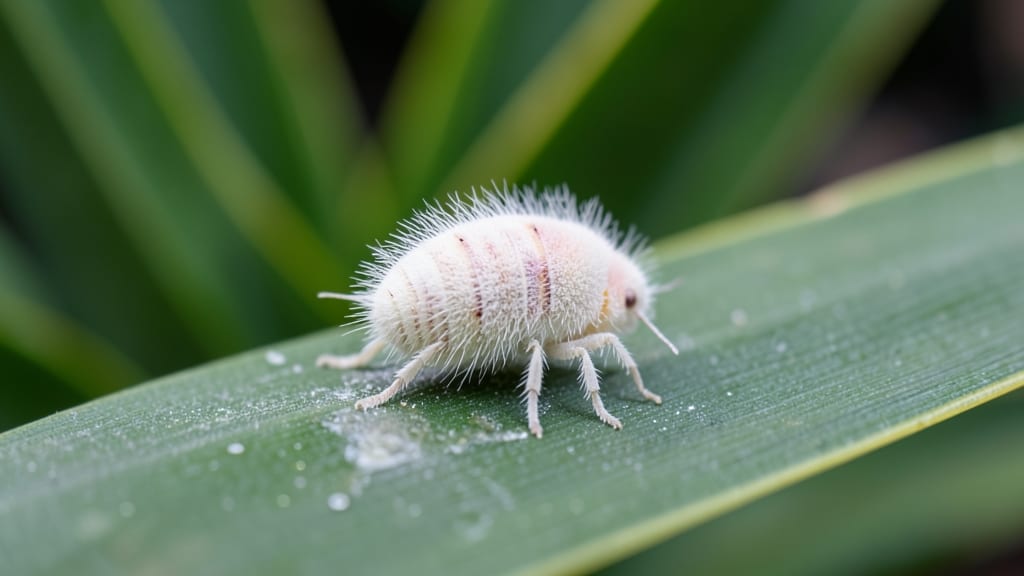
How to get rid of mealybugs on your dracaena—those cottony white blobs are sucking the life out of your plant. 🌱 I’ve battled these pests on my own dracaena, and the boiling water drench method works faster than anything else—no harsh chemicals needed. The key is acting quickly before they spread to other houseplants.
Most people reach for sprays or wipes, but those often miss hidden bugs in leaf crevices. Boiling water targets every mealybug on contact, including eggs, without harming your plant’s roots.
You’ll need a small pot, boiling water, and a dropper—just pour the water directly onto the pests. It’s surprisingly simple and effective.
Within minutes, the mealybugs will drop off, and your dracaena will start looking healthier almost immediately. The best part? This method doesn’t leave residue, so you can safely use it on delicate indoor plants. Just be prepared for a little steam—it’s worth it for a pest-free plant.
Once you’ve treated the infestation, keep an eye out for new bugs and wipe leaves regularly with a damp cloth. This prevents reinfestation and keeps your dracaena thriving. It’s a game-changer for anyone tired of struggling with these stubborn pests.
Root Causes of Mealybug Infestations
Mealybugs don’t just appear out of nowhere—they’re drawn to your Dracaena by specific environmental and plant-related factors. Understanding these triggers is the first step to preventing future outbreaks. Let’s break down the science behind why these sap-sucking pests target your houseplant.
Mealybugs thrive when your Dracaena is stressed or compromised. A healthy plant’s natural defenses—like sticky resin secretions (which trap pests) and strong cell walls—can deter infestations. But when your plant is struggling, mealybugs see it as an easy meal.
- Overwatering or Poor Drainage 💦 - Why it happens: Excess moisture creates a soggy root zone, weakening the plant’s immune response. Mealybugs love damp environments because they desiccate quickly (they’re 90% water themselves!).
A waterlogged Dracaena can’t produce enough phenolic compounds (natural pest repellents). - Actionable clue: Check for yellowing leaves or mushy stems—signs your plant is drowning in water.
- Underwatering or Drought Stress 🌵 - Why it happens: While too much water invites pests, chronic dehydration also stresses plants. A thirsty Dracaena produces less chlorophyll, making it harder to fend off insects.
Mealybugs detect volatile organic compounds (VOCs) emitted by stressed plants, which signal "easy prey." - Actionable clue: Look for crispy leaf edges or drooping fronds—your plant is screaming for water.
- Nutrient Deficiencies 🌱 - Why it happens: Mealybugs are attracted to plants lacking nitrogen, phosphorus, or potassium. These nutrients help your Dracaena produce antimicrobial compounds and thick wax layers on leaves (which mealybugs hate).
A deficiency makes the plant’s sap sweeter and more nutritious for pests. - Actionable clue: Yellowing between leaf veins (nitrogen deficiency) or purple stems (phosphorus deficiency) are red flags.
Mealybugs are opportunistic pests—they don’t discriminate, but they do love specific conditions that mimic their natural tropical habitats.
- Warm, Humid Microclimates ☀️💧 - Why it happens: Mealybugs originate from subtropical regions where temperatures hover between 70–85°F (21–29°C) and humidity stays above 60%.
Your home’s bathroom, kitchen, or bedroom (near radiators or showers) can create the perfect pest paradise. - Actionable clue: If your Dracaena is near a humidifier, sink, or heating vent, mealybugs will move in faster than a coffee stain on your shirt.
- Poor Air Circulation 🌀 - Why it happens: Stagnant air traps honeydew (mealybug poop), which ferments into a sugary film that attracts more pests.
Without airflow, ant predators (like ladybugs) can’t patrol your plant, and mealybugs reproduce unchecked. - Actionable clue: If your plant’s leaves are sticky to the touch, you’ve got a honeydew problem—and likely a mealybug party.
- New Plants or Soil Contamination 🛒 - Why it happens: Mealybugs hitchhike on new purchases (especially from nurseries or garden centers). They hide in leaf axils, potting mix, or even the plastic nursery pots.
Once introduced, they spread via crawling or windborne eggs. - Actionable clue: Quarantine new plants for 2–4 weeks before introducing them to your collection.
Sometimes, you’re the reason mealybugs moved in. Even well-meaning care routines can accidentally create a mealybug buffet.
- Over-Fertilizing (Especially with Synthetics) 🧪 - Why it happens: Excess synthetic nitrogen makes your Dracaena’s sap richer, attracting mealybugs like a burglar to a jewelry store.
Organic fertilizers (like compost tea) are safer because they strengthen plant defenses rather than just feeding pests. - Actionable clue: If your plant’s growth spikes overnight but leaves look soggy or curled, you’re overdoing it.
- Ignoring Early Signs (White Cottony Stuff) 🕷️ - Why it happens: Mealybugs start as tiny, slow-moving nymphs that look like white rice grains.
By the time you see large colonies, they’ve already weakened your plant and spread honeydew (which grows sooty mold). - Actionable clue: Check leaf undersides and stems weekly—early detection = easier eradication.
- Using Contaminated Tools ✂️ - Why it happens: Pruning shears, sticks, or even your fingers can transfer mealybugs from one plant to another.
If you prune an infested plant first, you’re basically planting pest seeds elsewhere. - Actionable clue: Clean tools with rubbing alcohol between plants—no excuses.
Now that you know why mealybugs target your Dracaena, the next step is action. The good news? Boiling water drenches (and a few other tricks) can erase them in one step—without harsh chemicals. Stay tuned!
Quick Fixes for Mealybug Infestations
Mealybugs may seem like a stubborn foe, but with the right approach, you can banish them from your Dracaena—often in just one targeted treatment. Below, we break down the most effective solutions based on the root cause of your infestation, from overcrowded plants to poor hygiene.
Each method is designed to be fast, chemical-free (where possible), and easy to execute—no green thumb required!
Mealybugs thrive where plants are weak or packed too closely together. If your Dracaena is surrounded by other houseplants or showing signs of stress (yellowing leaves, slow growth), take action now to cut off their food source.
🍳 Step 1: Trim Infested Areas
- Use sterilized scissors or pruning shears (wipe with rubbing alcohol first!).
- Cut off heavily infested leaves or stems—don’t leave behind cottony white clusters.
- Dispose of clippings immediately in a sealed bag (not your compost!).
👨🍳 Step 2: Isolate the Plant
- Move your Dracaena to a quarantine zone (like a bathroom or spare room) for 2–3 weeks.
- Keep it away from other plants to prevent cross-contamination.
🥘 Step 3: Boost Plant Health
- Water only when the top 1–2 inches of soil are dry (overwatering weakens roots).
- Mist leaves lightly (mealbugs hate humidity—but not too much!).
- Fertilize lightly with a balanced, diluted houseplant fertilizer (½ strength) to strengthen defenses.
> 💡 Pro Tip: If your Dracaena is root-bound, repot it into a slightly larger container with fresh, well-draining soil. Healthy roots = fewer mealybug snacks!
Mealybugs love warm, dry environments—think central heating in winter or sunny windowsills. If your home is a mealybug paradise, tweak your plant’s microclimate to make it less inviting.
✨ Step 1: Increase Humidity (Gently)
- Place a pebble tray under the pot (fill a tray with water and pebbles, not soil).
- Group plants together to create a mini humid zone (but keep them spaced out to avoid spreading pests).
- Avoid soggy soil—humidity ≠ wet roots!
🎯 Step 2: Wipe Down Leaves Weekly
- Dust and debris attract mealybugs. Use a damp microfiber cloth to gently clean leaves.
- Focus on the undersides of leaves (their favorite hiding spot!).
🔪 Step 3: Boost Airflow
- Rotate your plant weekly so all sides get even light and airflow.
- Avoid placing it in stuffy corners—mealbugs adore stagnant air.
> 💡 Pro Tip: A small USB fan on low setting near your Dracaena (not blowing directly on it) can deter mealybugs by disrupting their sticky trails.
If mealybugs have already set up camp, boiling water is your fastest, most effective weapon—and it works without harsh chemicals.
🔥 Step 1: Prep for Battle
- Water the soil 1 hour before treatment (so roots don’t absorb the hot water).
- Move the plant outside (or near an open window) for better ventilation.
🍳 Step 2: The Boiling Water Drench
- Boil 1–2 cups of water (enough to cover the soil).
- Let it cool for 30 seconds (so it’s hot but not scalding).
- Slowly pour the water over the soil and infested areas.
- Repeat every 3–4 days for 2 weeks (this kills eggs too!).
👨🍳 Step 3: Follow Up with Manual Removal
- After drenching, gently wipe leaves with a soapy water cloth (1 tsp mild dish soap + 1 cup water).
- Focus on crevices, leaf axils, and stems—these are mealybug hideouts!
> ⚠️ Warning: Avoid boiling water on succulents or delicate plants—stick to Dracaena’s tougher leaves.
Once you’ve won the battle, don’t let them regroup. Follow these long-term strategies to keep your Dracaena mealybug-free:
| Prevention Step | How to Do It | Why It Works |
|---|---|---|
| Inspect new plants | Quarantine for 2–4 weeks before introducing to your collection. | Stops infestations before they spread. |
| Clean tools | Wipe pruners with rubbing alcohol after each use. | Prevents accidental pest transfer. |
| Neem oil spray | Mix 1 tsp neem oil + 1 tsp mild soap + 1 quart water. Spray weekly as a deterrent. | Disrupts mealybug life cycles. |
| Beneficial insects | Release ladybugs or lacewings near your plants. | They eat mealybugs naturally! |
| Regular leaf checks | Once a week, flip leaves to spot early signs. | Catches infestations before they explode. |
Final Thought: Mealybugs may be annoying, but they’re no match for a well-prepared plant parent. With boiling water, isolation, and smart prevention, your Dracaena will be pest-free in no time—and you’ll be the hero of your indoor jungle! 🌿💪
Frequently asked questions
How quickly will boiling water kill mealybugs on my Dracaena?
Mealybugs drop off and die within minutes of contact with boiling water. However, you'll need to repeat the treatment every 3-4 days for 2 weeks to kill any eggs or newly hatched bugs hiding in leaf crevices. The heat disrupts their life cycle at all stages.
Is boiling water safe for my Dracaena's roots?
Only if you follow the prep steps correctly! Water the soil 1 hour before treatment so roots don't absorb the hot water. The boiling water targets the pests on leaves and soil surface, not the root zone. For extra protection, move your plant outside or near an open window during treatment.
What if mealybugs keep coming back after treatment?
Persistent infestations usually mean eggs survived or new pests arrived. Try adding neem oil spray (1 tsp neem oil + 1 tsp mild soap + 1 quart water) between boiling water treatments. Also check nearby plants - mealybugs spread quickly between houseplants. Isolate your Dracaena for at least 2-3 weeks.
Can I use this method on other plants besides Dracaena?
Yes, but with caution! Boiling water works well on tough-leaved plants like snake plants, pothos, or rubber plants. Avoid delicate plants like orchids or succulents - their leaves can scorch. For sensitive plants, try the soapy water wipe method instead, focusing on leaf undersides where mealybugs hide.
What's the best way to prevent mealybugs from returning?
Combine these 3 habits:
- Inspect new plants for 2-4 weeks before adding to your collection,
- Wipe leaves weekly with a damp cloth, and
- Use rubbing alcohol on pruning tools after each use. Also keep your Dracaena in well-draining soil and avoid overwatering - soggy conditions attract mealybugs.