
How To
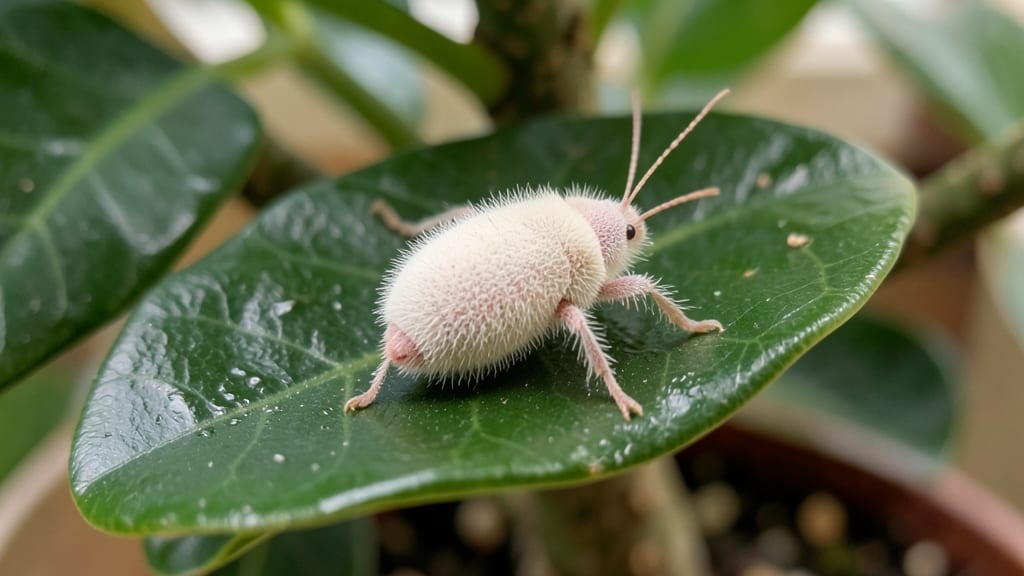
How to get rid of mealybugs on ficus—those cottony white bumps—starts with boiling water, a fast and chemical-free solution. I’ve used it to smother them, and it works faster than sprays. The trick is precise application: pour boiling water directly onto the pests and their webbing, then repeat weekly until they’re gone.
Why this method beats sprays? It kills eggs and adults on contact without harsh chemicals. You’ll see results in 3-5 days if done right, and your ficus will bounce back with fresh, mealybug-free growth. Just be careful—water too hot can damage leaves, so test a small area first.
Prevention starts after treatment. Wipe leaves with neem oil monthly, and quarantine new plants for a week to stop reinfestations. The boiling water method is brutal for mealybugs but gentle on your plant—once you master it, you’ll never reach for chemical sprays again.
Works for indoor ficus trees, outdoor potted plants, and even other houseplants with mealybugs. Here’s how to do it safely and effectively—no more sticky leaves or wilting branches.
Why it happens
H2: Root Causes of Mealybug Infestations
Mealybugs don’t just appear—they’re drawn to your ficus like a buffet invitation, thanks to a mix of environmental cues and plant vulnerabilities. Understanding these triggers is the first step to stopping them before they take over.
Let’s break down the science behind why these fuzzy pests target your ficus in the first place.
---
Mealybugs are opportunistic feeders, and a struggling ficus sends out chemical distress signals that scream, “Eat me!” Here’s how it happens:
- Overwatering or Poor Drainage 💦 Mealybugs thrive in damp, stagnant conditions. When soil stays soggy, roots suffocate, and the plant’s defenses weaken.
These pests detect the ethylene gas (a stress hormone) released by waterlogged roots, making your ficus an easy target. Pro tip: 💡 Check soil moisture with your finger—if the top 2 inches feel damp, hold off on watering.
- Nutrient Deficiencies 🍃 A ficus starved of nitrogen, phosphorus, or potassium becomes less resistant to pests. Mealybugs prefer plants with high sugar content (a byproduct of stress), which makes their sap even more appealing. Yellowing leaves or stunted growth? That’s your plant’s SOS—and the bugs’ dinner bell.
- Physical Damage or Pruning Wounds ⚔️ When you prune or accidentally bruise leaves, you create entry points for mealybugs. These pests exploit fresh sap leaks, which are rich in sugars.
Even a minor scrape can turn into a mealybug hotspot if not cleaned properly. Action step: Always sterilize pruners with rubbing alcohol and seal cuts with cinnamon powder (a natural antifungal).
---
Mealybugs aren’t picky—they’ll infest your ficus if the conditions match their comfort zone. Here’s what makes your plant a prime real estate:
- Warm, Humid Microclimates 🌡️💧 Mealybugs originate from tropical regions and love humidity levels above 60%.
If your home has poor airflow (like a steamy bathroom or kitchen) or you mist your ficus frequently, you’re creating a mealybug paradise. Fix it: Use a hygrometer to monitor humidity and aim for 40–50%—a small fan near the plant can help circulate air.
- Low Light Struggles 🌑 Ficus plants need bright, indirect light to photosynthesize efficiently. When deprived, they produce more sugars in their leaves and stems to survive, making them sweeter (and more attractive) to mealybugs. Watch for: Leggy growth or leaves stretching toward light? That’s a red flag.
- Potted Soil Mix Issues 🏺 Peat-heavy or overly compacted soil retains moisture longer, creating the perfect breeding ground. Mealybugs also hide in organic matter (like old mulch or decaying leaves) in the soil. Upgrade your mix: Use a well-draining blend with perlite or orchid bark to improve aeration.
---
Mealybugs don’t always start on your ficus—they might be stowaways from other plants, tools, or even your grocery store. Here’s how they sneak in:
- Infested New Plants 🛒 Buying a ficus (or any houseplant) from a nursery or online without inspecting it first is like rolling out the welcome mat for mealybugs.
These pests often hide in leaf axils, stems, or undersides of leaves—places sellers might miss. Prevention: Quarantine new plants for 2–4 weeks and inspect them thoroughly (use a magnifying glass!).
- Dirty Tools or Pots 🧹 Pruners, pots, and even your fingers can transfer mealybugs (or their eggs) from one plant to another.
A single contaminated tool is enough to spread an infestation across your entire collection. Sanitize everything: Wipe tools with 70% isopropyl alcohol and rinse pots with soapy water before repotting.
- Outdoor Exposure 🌳 If your ficus spends time outside (even on a balcony), it can pick up mealybugs from nearby trees, wind, or other infested plants.
These pests are lightweight and can hitch a ride on breezes. Solution: Keep outdoor plants covered with fine mesh if mealybugs are common in your area.
---
Effective Ways To Eliminate Ficus Mealybugs
Now that you understand why mealybugs invade your ficus, let’s tackle the problem head-on with practical, plant-friendly solutions. Mealybugs may be stubborn, but these methods—ranging from natural remedies to targeted treatments—will help you reclaim a healthy, pest-free ficus.
Start with the cause of the infestation and apply the corresponding fix, then follow up with prevention tips to keep these pests at bay for good.
---
#### 1. Overcrowded or Weak Plants 🌱 Cause: Mealybugs thrive on stressed, overcrowded ficus plants with poor airflow. Fix: Isolate and Revitalize
- 🔪 Prune Infested Areas: Use sterilized scissors to trim away heavily infested leaves or stems.
Dispose of them in a sealed bag (not your compost). - 🌿 Improve Airflow: Space your ficus plants at least 12 inches apart to reduce humidity pockets where mealybugs love to hide. - 💧 Adjust Watering: Overwatering weakens roots and attracts pests.
Let the top inch of soil dry out between waterings. - 🌞 Boost Light Exposure: Place your ficus near a bright, indirect light source (e.g., an east-facing window) to strengthen its natural defenses.
---
#### 2. Sticky Residue or Sap Buildup 🍯 Cause: Mealybugs feed on plant sap, leaving behind a sticky honeydew that attracts ants and encourages fungal growth. *Fix: Cleanse and Protect
- 🧼 Wipe Down Leaves: Dampen a soft cloth with 70% isopropyl alcohol or neem oil solution (1 tsp neem oil + 1 quart water) and gently wipe affected areas to remove bugs and residue. - 🚿 Rinse with Water: Spray the plant with a strong stream of water to dislodge mealybugs and wash away honeydew. - 🍃 Apply Horticultural Oil: Mix 1 tbsp horticultural oil with 1 quart water, spray thoroughly, and cover the plant with a plastic bag for 24 hours to smother pests.
Repeat weekly for 2–3 weeks.
---
#### 3. Ants or Other Pests 🐜** Cause: Ants farm mealybugs for their honeydew, worsening infestations. *Fix: Disrupt the Cycle
- 🐜 Eliminate Ants First: Use borax bait stations (place near trails) or diatomaceous earth (sprinkle lightly around the base) to kill ants without harming your ficus. - 🛡️ Create a Boiling Water Barrier: Pour boiling water in a circular pattern around the soil’s edge (not directly on roots) to kill ants and deter future crawlers.
Let the pot cool before repotting if needed. - 🌿 Use Sticky Traps: Place yellow sticky traps near the plant to catch flying insects that may introduce mealybugs.
---
#### 4. Severe Infestation 🐛** Cause: If mealybugs have spread extensively, they’ll require a more aggressive approach. *Fix: Systemic Treatment
- 💊 Apply Systemic Insecticide: Use a fipronil-based drench (like Captain Jack’s Deadbug Brew) or imidacloprid (follow label instructions).
Water the soil thoroughly to ensure the chemical reaches the roots. - 🌿 Re-pot in Fresh Soil: If the infestation is severe, remove the plant from its pot, rinse the roots under lukewarm water, and repot in sterilized, pest-free soil. - 🔄 Quarantine New Plants: Before introducing new ficus plants to your collection, isolate them for 2–4 weeks and inspect thoroughly.
---
- 🌡️ Monitor Humidity: Keep humidity between 40–60%—mealybugs love damp conditions. Use a dehumidifier or fan in humid climates. - 🍃 Inspect Regularly: Check undersides of leaves, leaf axils, and stems weekly with a magnifying glass.
Early detection = easier removal! - 🌿 Strengthen Your Ficus: Feed with a balanced liquid fertilizer (like 10-10-10) every 4–6 weeks during growing season to boost resilience. - 🚫 Avoid Over-Fertilizing: Excess nitrogen attracts pests.
Stick to the recommended dose. - 🌍 Introduce Beneficial Insects: Release ladybugs or encarsia wasps (parasitic wasps) to prey on mealybugs naturally.
---
| Week | Action | Expected Result | |----------|-------------------------------------|--------------------------------------| | 1 | Isolate plant, prune, clean leaves | Visible reduction in mealybugs | | 2–3 | Apply neem oil/horticultural oil | Fewer new bugs; honeydew decreases | | 4 | Re-pot if needed, treat ants | Plant shows new growth | | 6+ | Monitor and prevent reinfestation | Pest-free ficus! |
--- Remember: Consistency is key! Mealybugs may take 4–8 weeks** to fully eradicate, but with diligence, your ficus will bounce back stronger than ever. 🌿✨
Frequently asked questions
How do I know if my ficus has mealybugs?
Look for cottony white clusters in leaf axils, under leaves, or along stems—these are adult mealybugs. You’ll also spot sticky honeydew on leaves (like tiny sugar droplets) and possible sooty mold (black fungal growth). Check with a magnifying glass, especially on new growth.
Is boiling water safe for my ficus?
Yes, but use it carefully! Only pour boiling water directly onto mealybugs (not leaves or soil) to avoid burns. For stubborn infestations, focus on stems and undersides of leaves. Test a small area first—if leaves wilt, dilute the water with cool water next time.
Why do mealybugs keep coming back?
Reinfestations usually happen because eggs survive treatments or ants bring new bugs. To stop them: quarantine new plants, treat all nearby plants, and use a boiling water barrier around the soil edge. Check weekly for 4+ weeks to catch early signs.
Can I use neem oil on mealybugs?
Mix 1 teaspoon neem oil with 1 quart water and 1 drop dish soap, then spray thoroughly. Cover the plant with a plastic bag for 24 hours to maximize effectiveness. Repeat every 5-7 days until mealybugs disappear—it’s non-toxic but requires consistency.
What’s the fastest way to kill mealybugs?
The boiling water method is fastest for visible bugs—pour it directly onto clusters. For hidden eggs, combine with horticultural oil (spray and cover for 24 hours). Severe cases may need a systemic insecticide (like Captain Jack’s), but organic methods work for most infestations.