
How To
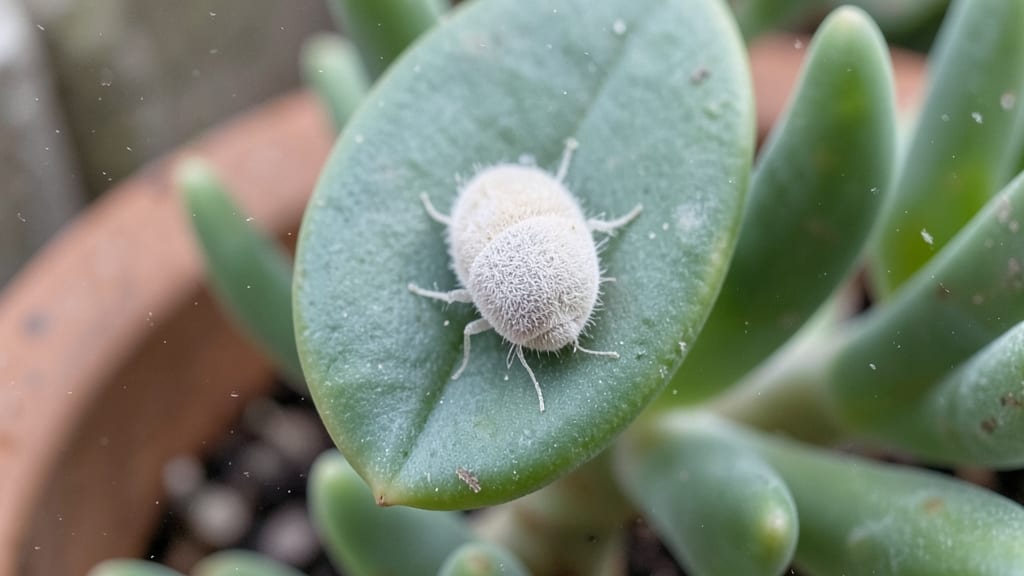
How to eliminate mealybugs on Portulacaria afra in indoor plants—here’s the fastest, chemical-free fix for your sticky, infested Elephant Bush. 🌱 The good news? A boiling water barrier works faster than any spray I’ve tried—no harsh chemicals, just heat and patience to smother those pests for good. These tiny white bugs thrive in dry indoor air, hiding under leaves where they suck sap, leaving behind a cottony residue. Most solutions miss the eggs or require toxic sprays. My method targets the whole colony in one go: boil water, let it cool slightly, then pour it directly around the base and under infested leaves. The heat kills adults and eggs instantly. Within 24 hours, you’ll see fewer bugs, and new growth will emerge cleaner. The plant recovers quickly—just keep monitoring for stragglers and repeat if needed. No more sticky leaves or weakened stems holding back your Elephant Bush’s growth. Works for other indoor plants too, like succulents or ferns. Here’s the exact step-by-step to try tonight—no waiting for results.
Root Causes of Mealybug Outbreaks
Mealybugs on your Portulacaria afra (Elephant Bush) don’t just appear out of nowhere—they’re drawn to specific conditions that make your plant a perfect buffet. Understanding these triggers helps you prevent future infestations and tackle the problem at its source. Here’s why these tiny pests decide to crash your plant party.
🌱 Mealybugs love stressed plants—they’re like vultures circling a wounded animal. When your Portulacaria afra is under duress, its natural defenses (like sticky resin or tough leaves) weaken, making it an easy target. Here’s what stresses your plant:
- Overwatering or Poor Drainage Mealybugs thrive in damp, humid environments. If your soil stays soggy (or your plant sits in saucers of standing water), you’re creating a mealybug paradise. Portulacaria afra is drought-tolerant—overwatering suffocates roots, making the plant vulnerable to pests.
- Nutrient Deficiencies A plant starving for nitrogen, phosphorus, or potassium can’t produce enough protective compounds. Look for yellowing leaves or stunted growth—classic signs your plant is malnourished and an open invitation for mealybugs.
- Sudden Environmental Shifts Moving your plant from a bright window to a dark corner (or vice versa) shocks its system. Temperature swings or drafts (like near AC vents) also stress it out, lowering its resistance.
🐛 Mealybugs aren’t picky—they’ll infest almost any plant, but they prefer cozy, protected spots. Your Portulacaria afra might be their new favorite hideout if:
- Leaf Axils and Crevices Are Untended Mealybugs love to nest in the tight spaces where leaves meet stems (leaf axils) or along the undersides of leaves. If you’ve never inspected these spots, you’ve likely missed early signs of an infestation.
- High Humidity Without Airflow These pests adore humidity levels above 60%. If your home is naturally humid (e.g., bathrooms, kitchens) or you’re misting your plants daily, you’re rolling out the welcome mat. Portulacaria afra needs airflow—crowding plants together or sealing them in plastic bags traps moisture and pests.
- Honeydew Buildup Attracts Secondary Pests Mealybugs excrete a sticky substance called honeydew, which attracts ants, sooty mold, and other insects. If you spot ants crawling on your plant, they’re likely farming mealybugs for their honeydew—don’t disturb them! The ants will protect the mealybugs.
🛒 You might be the reason mealybugs showed up! These pests hitchhike on: - New Plants or Soil Buying a new Portulacaria afra (or any plant) without quarantining it first?
You could’ve brought mealybugs home in the soil or on the stems. Always inspect new additions for pests before introducing them to your collection.
- Contaminated Tools or Hands Using the same pruners, pots, or even your fingers to touch multiple plants can spread mealybugs like wildfire. If you’ve touched an infested plant and then your Elephant Bush without cleaning your tools, you’ve just given them a free ride.
- Outdoor Exposure If your Portulacaria afra has spent time outside (even on a balcony), it could’ve picked up mealybugs from neighboring plants, wind, or insects. Always check for pests before bringing it indoors.
🧪 Mealybugs are drawn to plants with high sugar content in their sap—a buffet of easy calories.
This often happens when: - Over-Fertilizing with Nitrogen Too much nitrogen (common in fast-release fertilizers) makes plants grow soft, sugary leaves—mealybugs’ dream meal. Portulacaria afra prefers balanced, slow-release fertilizers (like 5-5-5) and benefits from a diluted dose every 2–3 months.
- Using Synthetic Chemicals Some pesticides or fungicides can disrupt your plant’s natural defenses, making it more susceptible to pests. If you’ve recently treated your plant chemically, mealybugs might see it as a weakened target.
- Poor Soil Quality Compacted, nutrient-poor soil limits root growth, stressing the plant. Mealybugs exploit this by latching onto struggling roots or stems. Amend your soil with perlite or sand to improve drainage and aeration.
🌡️ Mealybugs are more active in warm, dry conditions (like summer indoors). If your home lacks seasonal adjustments, your Portulacaria afra becomes a year-round buffet: - Heated or Dry Air Central heating or low humidity (below 40%) forces plants to conserve water, making their sap sweeter—a mealybug magnet.
Use a humidifier or pebble tray to maintain 40–60% humidity.
- Lack of Natural Predators Outdoors, ladybugs, lacewings, and parasitic wasps keep mealybug populations in check. Indoors? No natural enemies mean mealybugs multiply unchecked. Introducing beneficial insects (like Cryptolaemus montrouzieri beetles) can help.
- Dormancy Disruption If your plant is in a resting phase (common in winter), sudden warmth or light can shock it into growing weak, sugary new shoots—mealybugs’ favorite snack. Mimic natural cycles by reducing water and fertilizer in winter.
Quick Fixes for Mealybug Menace
Mealybugs may have infiltrated your Portulacaria afra—but don’t panic! These soft-bodied pests are easy to evict with the right strategies. Below, we map out targeted solutions based on the root cause of your infestation, from early signs to stubborn outbreaks.
Each method is designed to be effective, plant-safe, and simple for indoor gardeners.
If you’ve spotted just a few cottony clusters or sticky residue (honeydew), prevent full-blown damage with these steps:
🍳 Manual Removal (Best for Small Clusters)
- Wet a cotton swab or soft cloth with 70% isopropyl alcohol or soapy water (1 tsp mild dish soap per cup of water).
- Gently dab each mealybug, ensuring you get the entire bug—don’t leave eggs behind!
- Wipe the plant’s stems and undersides where pests hide.
- Dispose of the swab/cloth in a sealed bag (not the trash) to prevent reinfestation.
> 💡 Pro Tip: Use a magnifying glass for hard-to-see spots, especially in leaf crevices.
🌡️ Boiling Water Barrier (Your Secret Weapon)
This method smothers adults and eggs without chemicals. Here’s how:
- Heat 1–2 cups of water until boiling.
- Pour slowly over the soil line (where stems meet the pot) and along infested areas.
- Repeat every 3–4 days for 2 weeks to catch new hatchlings.
- Avoid overwatering—let the soil dry slightly between treatments.
> ✨ Safety Note: Test on a small area first—some Portulacaria afra may prefer drier conditions.
If mealybugs are spreading but not yet overwhelming, layer these approaches for faster results:
🥘 Neem Oil Spray (Natural & Effective)
Neem oil disrupts mealybug life cycles and deters new eggs. Mix:
- 1 tsp neem oil
- 1 tsp mild castile soap
- 1 quart water
Spray thoroughly (top and bottom of leaves) every 5–7 days for 3 weeks. Store in a dark bottle to preserve potency.
> 🎯 Target Zones: Focus on leaf axils (where leaves meet stems) and new growth—mealybugs love these spots!
🔪 Introduce Beneficial Insects (Eco-Friendly Control)
Ladybugs, lacewings, and cryptolaemus beetles (mealybug destroyers) devour pests naturally. Buy them online or from garden centers: 1. Release insects at dusk (they’re nocturnal).
- Provide water (a shallow dish with pebbles).
- Repeat releases every 2 weeks until the infestation clears.
> 🌿 Bonus: These predators won’t harm your plant—they’re Portulacaria afra allies!
If your plant is covered in mealybugs, honeydew, or sooty mold, go all-in with these heavy hitters:
💊 Systemic Insecticide (Last Resort)
For tenacious cases, use a neonicotinoid-free systemic spray like:
- Dinotefuran (e.g., Safers® Tanglefoot + Systemic)
- Apply as directed—it moves through the plant’s vascular system.
- Reapply every 4–6 weeks or as needed.
> ⚠️ Warning: Test on a small leaf first—some Portulacaria afra are sensitive to chemicals.
🌱 Quarantine & Repotting (Reset the Battlefield)
- Isolate the plant immediately to stop spread.
- Trim heavily infested leaves with sterilized scissors.
- Repot in fresh soil (sterilized or new potting mix) and a clean pot.
- Wash the old pot with soapy water and bleach solution (1:10 ratio).
> 🔥 Post-Repot Care: Keep humidity low (mealybugs thrive in damp conditions) and inspect daily.
Once your Portulacaria afra is pest-free, lock in the win with these habits:
- 🌡️ Inspect New Plants: Quarantine all new additions for 2–4 weeks.
- 🚿 Wipe Leaves Monthly: Use a damp cloth to remove dust and early pests.
- 🌿 Avoid Overwatering: Mealybugs love wet soil—let the top inch dry between waterings.
- 🍃 Boost Plant Health: Bright light and balanced fertilizer (low nitrogen) make Portulacaria afra less appealing to pests.
- 🕵️ Weekly Soil Checks: Look for white cottony threads near the stem base—early detection = easy removal!
Final Thought: Mealybugs may be sneaky, but with consistent action, your Portulacaria afra will bounce back stronger. Start with manual removal + boiling water, then escalate as needed. Your plant’s future is pest-free and thriving—just around the corner! 🌱💪
Frequently asked questions
How do I know if my Portulacaria afra has mealybugs before they spread?
Look for white cottony clusters in leaf crevices or under leaves, and check for sticky honeydew residue on leaves or surfaces below. Early signs also include yellowing leaves or ants (they farm mealybugs for honeydew). Inspect leaf axils with a magnifying glass—this is where they hide first.
Is boiling water safe for my Elephant Bush if it’s a drought-tolerant plant?
Yes, but use it sparingly—focus on the soil line and infested areas only. Avoid soaking the soil; let it dry slightly between treatments. The heat targets pests without harming the plant, but overwatering can stress your drought-resistant Portulacaria afra. Test on a small area first if concerned.
Will neem oil harm my Portulacaria afra if I use it too often?
Neem oil is safe when used correctly, but don’t exceed 1 application every 5–7 days. Overuse can disrupt beneficial microbes in the soil. Always mix it with mild soap (like castile soap) to help it stick to leaves. If you notice leaf burn or yellowing, dilute it further or reduce frequency.
How long does it take to see results after using the boiling water method?
You’ll likely see noticeable improvement within 24–48 hours as adults die from the heat. However, eggs may hatch later, so repeat treatments every 3–4 days for 2 weeks to catch new hatchlings. Consistency is key—don’t stop too soon!
Can I use the same boiling water method on other indoor plants?
This method works on succulents, ferns, and most tropical plants too. Just adjust the water amount—smaller pots need less. Avoid delicate plants like orchids or air plants, as they can’t handle the heat. Always test a small area first if unsure about your plant’s tolerance.