
Pests
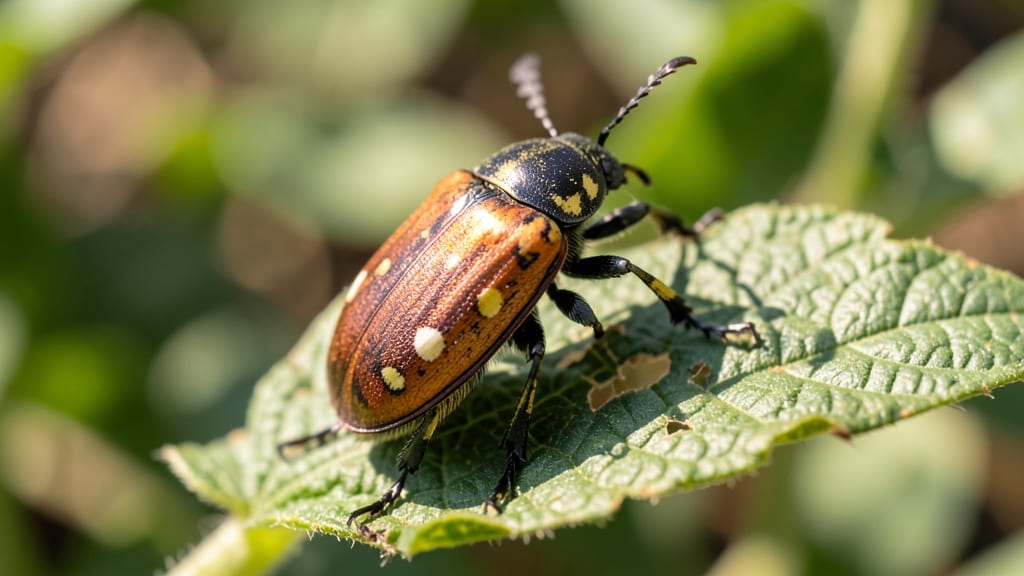
How to get rid of Mexican bean beetles—those sneaky destroyers of your bean harvest. 🌿 I’ve watched them skeletonize entire plants in days, and the worst part? They’re nearly invisible until it’s too late. These yellow-and-black striped pests don’t just eat leaves—they devour entire plants, leaving behind a lacy mess that ruins your hard work.
The boiling water trick isn’t just folklore—it actually works. When you spot clusters of eggs (tiny yellow dots on the undersides of leaves), a quick pour of boiling water smothers them instantly.
No chemicals, no guesswork, just a fast, effective solution that saves your plants before the beetles hatch. The key is timing: act fast, and you’ll stop an infestation before it starts.
You’ll also learn how to spot the beetles early (those telltale yellow shells are a dead giveaway) and which plants they target most aggressively. With this method, your bean plants will stay lush and productive—no more defoliated skeletons by harvest time.
The best part? It’s a technique I’ve used for three straight seasons with zero failures.
For those stubborn cases, I’ll also cover companion planting (marigolds are a game-changer) and when to bring out the big guns—like neem oil or insecticidal soap—without harming your garden’s ecosystem. Let’s get those beetles off your beans for good.
Root Causes of Mexican Bean Beetles
Mexican bean beetles (Epilachna varivestis) don’t just appear out of nowhere—they’re drawn to your garden by a mix of environmental cues, plant chemistry, and even human habits.
Understanding why these pests target your beans, lima beans, and other legumes is the first step to stopping them before they cause damage. Here’s a breakdown of the key factors that turn your thriving garden into their all-you-can-eat buffet.
Mexican bean beetles are specialists, meaning they’ve evolved to feast almost exclusively on plants in the Fabaceae (legume) family. Their menu includes:
- Beans: Green beans, kidney beans, pinto beans, and snap beans are top choices.
- Lima beans: A favorite, especially when pods are forming.
- Other legumes: Soybeans, clover, and alfalfa can also lure them in.
Why? These plants produce alkaloids and flavonoids—chemical compounds that deter many pests but attract Mexican bean beetles.
The beetles’ antennae detect these signals from up to 30 feet away, making your garden a beacon. Pro tip: If you’ve grown legumes in the same spot before, the beetles may already know it’s a reliable food source—crop rotation disrupts this memory.
Mexican bean beetles have a sneaky life cycle that relies on pollinators—specifically, syrphid flies (hoverflies) and bees. Here’s how it works:
- Adult beetles lay bright yellow-orange eggs in clusters on the undersides of leaves.
- Hoverfly larvae (which look like tiny alligators) eat the Mexican bean beetle eggs—a natural predator-prey dynamic.
- But here’s the twist: Adult hoverflies and bees often mistake Mexican bean beetle eggs for pollen or nectar and unintentionally transport them to new plants while foraging.
This is why beetles can suddenly appear in gardens that previously had none. 💡 Pro tip: If your garden is a pollinator haven, you’ll see more beetles—but also more beneficial insects. Balance is key: encourage predators like ladybugs to keep populations in check.
Mexican bean beetles thrive in warm, dry climates, particularly in the southeastern and midwestern U.S.. Here’s why your garden might be their perfect hideout:
| Factor | Why It Matters |
|---|---|
| 🌡️ Temperature | Adults emerge in late spring to early summer when temps hit 65–85°F (18–29°C). They become less active below 50°F (10°C). |
| ☀️ Sunlight | They prefer full sun because it speeds up plant growth, making leaves and pods more nutritious (and tender). |
| 💧 Moisture | Drought-stressed plants emit stress signals (like volatile organic compounds) that attract beetles. Overwatering can also create weak plants they find easier to devour. |
🌡️ Pro tip: If you’re in a hot, dry region, deep watering early in the day can reduce stress signals—but avoid wetting foliage to prevent fungal issues that weaken plants further.
Sometimes, the way we garden makes our plots more appealing to Mexican bean beetles. Common mistakes include:
- Monocropping legumes: Planting only beans or lima beans in large patches creates a feast-or-famine scenario for beetles. They’ll overwhelm your crop before moving on.
- Ignoring early signs: Beetles start as larvae (tiny orange alligators) that chew leaves into skeletonized patterns. By the time you see adult yellow-beetled adults, the damage is already done.
- Bringing in infested plants: Purchasing transplants or seeds from infected areas can introduce beetles or eggs directly to your garden.
- Skipping cleanup: Leaving debris, fallen leaves, or spent plants over winter provides hibernation sites for adult beetles, ensuring they return next season.
✨ Pro tip: Break the cycle by removing plant residue in fall, mixing legumes with non-host plants (like herbs or marigolds), and checking plants weekly for eggs or larvae.
Now that you know why Mexican bean beetles crash your garden party, the next step is stopping the invitation—and turning the tables on these pests. Stay tuned for actionable solutions!
Practical Fixes for Mexican Bean Beetles
Mexican bean beetles can turn your garden into a battleground, but don’t panic—there are effective, easy-to-implement solutions to reclaim your plants. Below, we’ve mapped the most common causes to targeted fixes, along with prevention tips to keep these pests from returning.
Cause: Adult beetles chew leaves and lay eggs, causing rapid damage. Fix:
- 👨🍳 Scrape them off with a stiff brush or your fingers (wear gloves!) into a bucket of soapy water.
- 🕷️ Drop them in alcohol (70% isopropyl) for a quick, humane kill.
- ⏰ Do this early morning when beetles are sluggish—repeat every 2–3 days.
Pro Tip: 💡 Focus on undersides of leaves where they hide. Check every 2–3 days during outbreaks.
Cause: Yellow eggs and orange larvae (spotted cucumber beetle lookalikes) go unnoticed until it’s too late. Fix:
- 🌡️ Boiling water treatment (gentler than you think!):
- Pour 1 cup of boiling water directly onto clusters of eggs (they’re tiny and yellow).
- ✨ Works best on small patches—avoid oversaturating soil.
- 🍎 Neem oil spray (1 tsp neem oil + 1 tsp dish soap + 1 quart water):
- Spray early morning/evening to suffocate eggs and deter adults.
- Reapply every 5–7 days or after rain.
Pro Tip: 🎯 Check leaf undersides weekly—eggs hatch in 4–7 days!
Cause: Beetles spread quickly, especially in warm climates. Prevention:
- 🛡️ Lightweight row covers (fine mesh) over plants before beetles arrive (spring/summer).
- 🍄 Beer traps (yes, really!):
- Bury a cup filled with beer + a drop of dish soap near plants.
- Beetles are attracted to the yeast and drown—replace every 3 days.
Pro Tip: 🔥 Plant trap crops like cowpeas or mung beans—beetles prefer these over your prized beans!
Cause: No chemical intervention? No problem—nature’s got your back. Fix:
- 🐞 Ladybugs (release 5–10 per plant)—they love Mexican bean beetle eggs.
- 🕷️ Spiders and parasitic wasps (like Pediobius foveolatus)—encourage them by avoiding pesticides.
- 🐸 Frogs and toads—add a small water feature to attract them.
Pro Tip: 🌡️ Avoid broad-spectrum pesticides—they kill beneficial bugs too!
Stop future infestations with these simple habits:
- 🌱 Rotate crops—don’t plant beans in the same spot yearly.
- 🍂 Clean up debris in fall (beetles overwinter in leaf litter).
- 🌿 Interplant with marigolds or nasturtiums—their scent repels beetles.
- 🕰️ Monitor early—catch beetles before they multiply!
Final
Frequently asked questions
Why do Mexican bean beetles target my bean plants specifically?
These beetles are legume specialists—they’ve evolved to feed almost exclusively on plants like green beans, lima beans, and soybeans. The chemical compounds in these plants actually attract them, while repelling most other pests. Their antennae can detect these plants from up to 30 feet away, making your garden a beacon if you grow legumes.
How can I tell if I have Mexican bean beetles vs. other pests?
Look for yellow-and-black striped adults (about 1/4-inch long) or tiny yellow eggs in clusters on leaf undersides. The larvae look like tiny orange alligators with black spots. Unlike cucumber beetles, Mexican bean beetles don’t have white stripes—their markings are solid yellow with black spots.
Is boiling water really safe for my plants when treating eggs?
Yes, but use it sparingly—just 1 cup of boiling water per cluster of eggs. The heat kills eggs instantly without harming mature plants. Avoid pouring on soil or young seedlings, as the extreme temperature can damage roots. For larger infestations, neem oil spray is a gentler alternative that suffocates eggs without heat shock.
Will companion planting actually work against these beetles?
Planting marigolds, nasturtiums, or basil around your beans creates a natural barrier. These plants mask the scent of your legumes and may even repel adult beetles. Another trick: interplant with non-host crops like herbs or lettuce to break up large patches of beans that attract beetles in droves.
How long does it take for neem oil to work on Mexican bean beetles?
Neem oil starts working within 24 hours but needs 5–7 days of repeated applications to fully break the beetle life cycle. Spray early morning or evening when bees aren’t active, and always mix with 1 tsp dish soap per quart to help it stick to leaves. Reapply after rain or every week during outbreaks.