
Pests
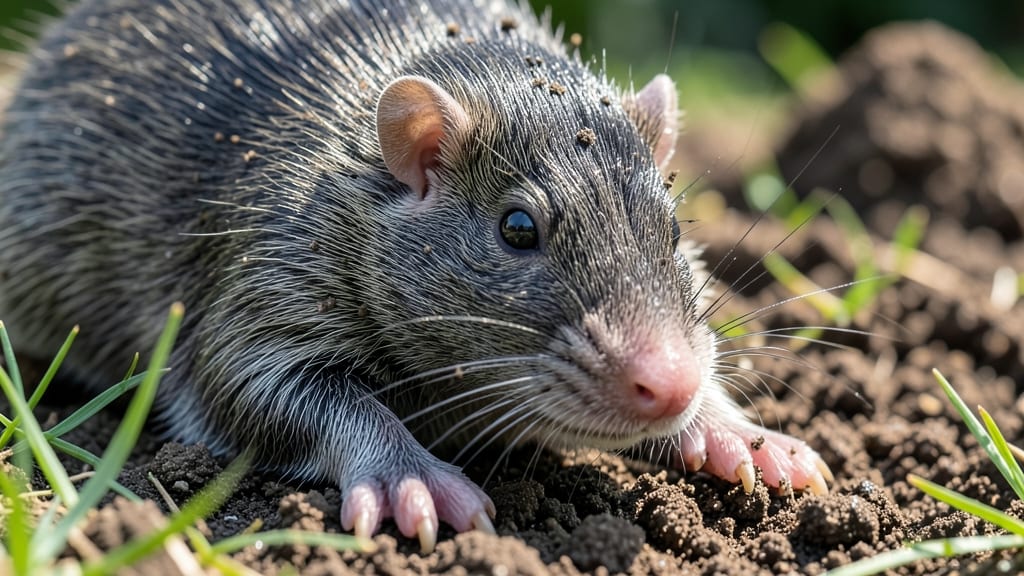
Here’s how to get rid of moles in your garden naturally—without chemicals or traps. 🌱 Those tunneling pests destroy roots and create unsightly mounds, but this boiling water barrier method smothers their tunnels deep underground while keeping plants and pets safe.
The secret is simple: pour boiling water directly into active tunnels to collapse them instantly. It’s humane, chemical-free, and targets the problem at the source. You’ll need a kettle or pot of boiling water, a long stick for stirring, and a steady hand—no fancy tools required.
Within days, you’ll see fewer mounds and healthier plants as moles lose their underground highways. The best part? This method disrupts their entire network, not just one tunnel, and deters them from returning for weeks.
Works in lawns, vegetable gardens, and flower beds—just avoid pouring near desirable plants. For stubborn infestations, combine this with castor oil repellent or plant barriers like daffodils. Let’s get those tunnels sealed for good.
Root Causes of Garden Moles
Moles may seem like a nuisance, but their presence in your garden isn’t random—it’s driven by biology, environment, and even your landscaping choices. Understanding why moles invade your yard is the first step to stopping them naturally.
Below, we break down the key factors that turn your garden into a mole magnet.
Moles are obligate fossorials, meaning they must dig to survive. Their diet consists almost entirely of soil-dwelling invertebrates like earthworms, grubs, and insects—all of which thrive in loose, moist, and nutrient-rich soil. If your garden has:
- Sandy or clay-heavy soil – These textures are easy for moles to tunnel through, offering minimal resistance.
- High organic matter – Compost, mulch, or decaying plant material attract worms and grubs, which in turn lure moles.
- Poor drainage – Wet soil stays soft longer, making it ideal for digging and providing a steady food supply.
Actionable insight: If your soil is a mole’s dream, amending it with coarser materials like gravel or sharp sand can deter tunneling. However, this won’t eliminate moles—it just makes your yard less appealing.
Moles don’t just dig for fun—they’re hunting for meals. A single mole can eat 50–100 pounds of insects and worms per year, and if your garden is a hotspot for their prey, they’ll stick around. Common triggers include:
- Lawn grubs – Overwatered grass or lawns treated with certain pesticides (like neonicotinoids) can create grub infestations.
- Earthworm-rich soil – Healthy, aerated soil with plenty of organic material is a worm paradise.
- Compost piles or mulch beds – These are breeding grounds for insects that moles love to snack on.
Pro tip: 🌡️ Reduce grubs by avoiding over-fertilizing your lawn, especially with nitrogen-heavy fertilizers. Instead, use milky spore bacteria or beneficial nematodes to naturally control grubs without harming moles (or your plants).
Moles are territorial and prefer areas with:
- Undisturbed soil – Gardens with minimal foot traffic or machinery leave moles undeterred.
- Thick ground cover – Dense grass, ivy, or low-lying plants provide thermal cover, keeping them cool and hidden.
- Adjacent water sources – Moles need moisture to survive, so yards near ponds, leaky pipes, or overwatered areas are prime real estate.
If your property borders wooded areas or other gardens, moles may simply be expanding their territory rather than choosing your yard specifically. Actionable fix: Create a physical barrier (like a buried metal mesh) around the perimeter to block their entry.
Moles are most active during spring and fall, when soil is soft and food is abundant. However, weather plays a surprising role:
- Rainy seasons – Loosens soil, making tunneling easier and attracting worms to the surface.
- Mild winters – In regions without hard freezes, moles remain active year-round.
- Drought conditions – While dry soil can deter moles, it also forces them deeper, where they cause more damage to roots.
Key takeaway: If moles appear suddenly, check recent weather patterns. A warm, wet spring is often the culprit behind a mole invasion.
Now that you know why moles target your garden, the next step is to disrupt their comfort zone—without resorting to harmful chemicals. Stay tuned for natural, humane methods to reclaim your yard!
Natural Ways to Banish Garden Moles
Moles may seem harmless, but their tunneling can wreak havoc on your garden’s roots, lawn, and even underground pipes. The good news? You can evict them naturally without harsh chemicals. Below are targeted solutions based on the root causes of their presence—from repelling them to trapping and preventing future visits.
Moles love loose, damp soil because it’s easy to dig. If your garden is a buffet for them, drainage and soil hardening are key.
- ⏰ Step 1: Improve Drainage 💧
- Install French drains or gravel-filled trenches to redirect excess water.
- Plant deep-rooted grasses (like fescue) to stabilize soil and deter tunneling.
- 🔥 Step 2: Harden the Soil 🏗️
- Spread coarse sand or gravel (3–4 inches deep) over mole-prone areas—they’ll avoid the grit.
- Pro Tip: 💡 Lay hardware cloth (¼-inch mesh) 12 inches deep around garden beds to block tunnels.
Moles feast on earthworms, grubs, and insects. Cut off their supply, and they’ll move on.
- 👨🍳 Step 1: Reduce Grub Populations 🐛
- Apply neem oil or beneficial nematodes to kill grubs without harming plants.
- Avoid chemical pesticides—they can attract more moles when worms die and become easy prey.
- 🥗 Step 2: Plant Mole-Repellent Ground Covers 🌿
- Daffodils, marigolds, and alliums (like garlic and onions) emit scents moles dislike.
- Castor oil plants (native to warm climates) release a natural repellent—try planting them near tunnels.
If moles refuse to leave, physical barriers or tunnel disruption forces them out.
- 🥘 Step 1: Boiling Water Barrier (Deep Tunnel Smother) 💦
- Locate active tunnels (they’re fresh, ridged mounds).
- Pour 2–3 gallons of boiling water directly into tunnels—it kills moles instantly and collapses their paths.
- Safety First: 🚨 Wear gloves and avoid roots/pipes near the area.
- 🏗️ Step 2: Install Exclusion Fencing 🛡️
- Bury ¼-inch hardware cloth 12–18 inches deep around garden beds to block new tunnels.
- For large areas, use underground fencing (like Tunnel Guard) to create a mole-proof zone.
Moles have poor eyesight but hate strong smells and vibrations.
- 💡 Step 1: DIY Repellent Sprays 🌿
- Mix 1 gallon water + 1 cup castor oil + 1 tbsp dish soap in a spray bottle.
- Spray tunnels and entry points weekly—reapply after rain.
- 🔊 Step 2: Ultrasonic or Wind Chimes 🎶
- Place ultrasonic repellents (like Victor Mole-E-Meter) near tunnels—they emit high-frequency sounds moles dislike.
- Wind chimes or aluminum cans create vibrations that disrupt their digging.
Once moles are gone, keep them out with these low-maintenance strategies:
- 🌱 Plant Mole-Resistant Lawns ⛳
- Kentucky bluegrass and ryegrass have deep roots that moles avoid.
- Avoid clover and shallow-rooted plants—they’re mole magnets.
- 🚜 Aerate & Overseed Regularly 🌱
- Compacted soil attracts moles. Aerate annually to improve structure.
- Pro Tip: 🔥 Spread sand or compost after aerating to deter tunneling.
- 🐶 Encourage Natural Predators 🦊
- Owls, foxes, and snakes eat moles. Install owl boxes or snake-friendly habitats (like rock piles) to keep populations in check.
| Problem | Solution | Prevention |
|---|---|---|
| Soft, wet soil | Gravel + drainage | Plant deep-rooted grasses |
| Grub/insect infestation | Neem oil + nematodes | Rotate crops to disrupt life cycles |
| Active tunnels | Boiling water + hardware cloth | Install exclusion fencing |
| Smell-based repulsion | Castor oil spray | Plant daffodils/marigolds |
| Sound-based deterrents | Ultrasonic devices | Use wind chimes near tunnels |
With these natural, humane methods, you can eliminate moles without harming your garden’s ecosystem. Start with one or two strategies, monitor results, and adjust as needed—your lawn will thank you! 🌿💚
Frequently asked questions
Is boiling water safe for my garden plants when treating mole tunnels?
Only use boiling water on bare soil or tunnels far from plant roots. Keep at least 12 inches away from desirable plants to avoid heat damage. For areas near flowers or vegetables, opt for castor oil spray or hardware cloth barriers instead.
How often should I reapply natural mole repellents like castor oil?
Reapply your DIY castor oil spray every 7–10 days or immediately after heavy rain. The scent washes away quickly, so consistency is key. For long-term prevention, plant permanent repellents like daffodils or marigolds near problem areas.
Will ultrasonic repellents actually work to keep moles away?
Ultrasonic devices can be effective but results vary by mole species and yard size. Most work best in small, contained areas (like vegetable gardens). For larger lawns, combine with physical barriers like hardware cloth for better results.
Are moles harmful to my garden beyond the tunnels they create?
Moles themselves don't eat plants, but their tunnels can sever roots and create entry points for pests. Their digging also compacts soil, reducing drainage. The real damage comes from disrupted plant health—not the moles themselves.
What's the best time of year to implement mole prevention?
Spring and fall are ideal—when soil is soft and moles are most active. Start prevention before you see mounds by installing barriers or planting repellent flowers. For existing infestations, treat immediately rather than waiting for warmer months.