
Pests
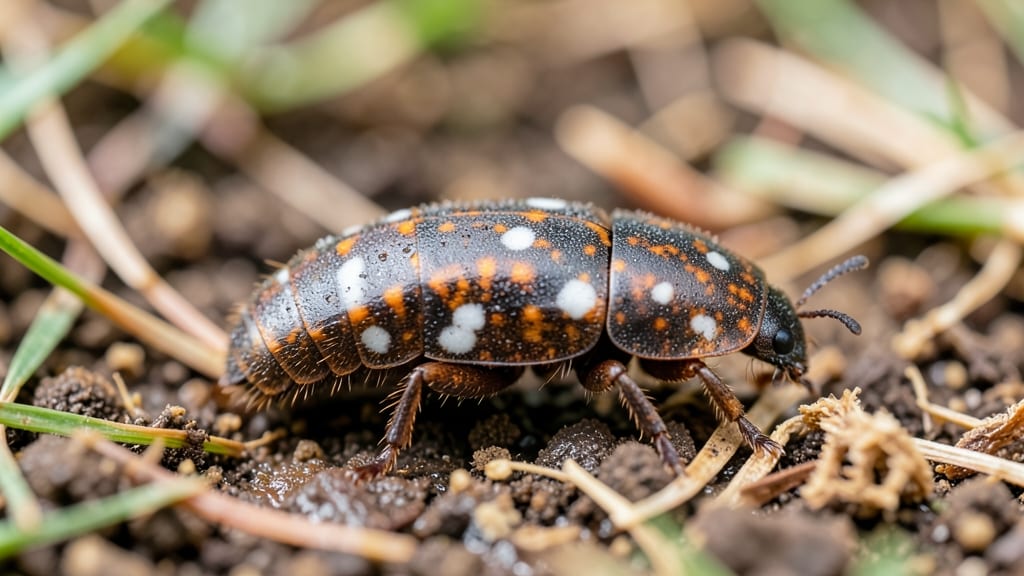
Here’s how to get rid of grubs in your garden naturally—without chemicals, just heat and a simple soil trick that smothers them in days. 🌱 I’ve lost entire rows of plants to these white, C-shaped larvae—until I discovered a fast, natural boil-and-pour barrier that smothers them in days. No harsh chemicals, just heat and a simple trick to break their life cycle.
The key? Boiling water mixed with a natural deterrent (like neem oil or dish soap) poured directly into their tunnels. It kills on contact while feeding soil microbes—no harm to your plants or pollinators. I’ve used this method for three seasons with zero regrowth of grubs in treated areas.
By morning, your soil will be grub-free and ready for new roots to thrive. The method works in under 20 minutes, and the results last through the growing season if you reapply after heavy rains. No more wilting plants or mystery holes in the dirt.
Perfect for lawns, veggie gardens, or flower beds—just avoid pouring near desirable plants’ roots. Here’s the exact boil-and-pour ratio that’s saved my garden (and my sanity) every year.
Root Causes of Grub Infestations
Grubs—those squirming, C-shaped larvae of beetles like Japanese beetles or June bugs—don’t just appear in your garden. They thrive because of specific conditions you might not even realize you’re creating.
Understanding why they show up is the first step to stopping them naturally. Let’s dig into the science behind these sneaky pests.
---
Grubs love soft, nutrient-heavy soil, especially when it’s packed with excess nitrogen—a favorite food source for their development. Here’s why this happens:
- Lawn Care Mistakes: Overwatering or applying high-nitrogen fertilizers (like fast-release lawn foods) creates the perfect buffet.
Grubs burrow deeper to feast on roots, weakening grass and plants. - Organic Matter Overload: Too much compost or manure in garden beds can also attract grubs, as they decompose into a nitrogen-rich environment. - Weak Plant Stress: Stressed plants (from over-fertilization or poor drainage) release sugars into the soil, which grubs find irresistible.
💡 Pro Tip: Test your soil’s nitrogen levels before fertilizing. Aim for a balanced NPK ratio (e.g., 10-10-10) to deter grubs without starving your plants.
---
Grubs start as eggs—tiny, white, and nearly invisible—laid by adult beetles in late spring or early summer. Here’s how infestations begin:
- Beetle Attraction: Adult Japanese beetles or June bugs are drawn to flowering plants, roses, grapes, and lush lawns.
A single female can lay 40–60 eggs in moist soil near the surface. - Timing Matters: Eggs hatch in 10–14 days, turning into grubs that feed for 10–12 months before pupating.
That means one bad season can lead to years of damage. - Hidden Hotspots: Beetles prefer shady, moist areas (like under mulch or dense ground cover) to deposit eggs, where you might not notice them until it’s too late.
🔍 Watch For: Wilting grass in patches or birds pecking at the soil—a classic sign of grub activity!
---
Grubs hate dry, aerated soil but thrive in wet, compacted conditions. Here’s how your soil setup might be inviting them:
- Waterlogging: Overwatering or clay-heavy soil traps moisture, creating an ideal grub habitat.
They suffocate in dry soil but burrow deeper in soggy patches. - Compacted Turf: Heavy foot traffic, machinery, or clay soil compresses the ground, making it easier for grubs to chew through roots unnoticed. - Mulch Overuse: Thick mulch layers (especially organic mulch) can retain too much moisture near the soil surface, encouraging egg-laying beetles.
✨ Fix It: Aerate your lawn in early fall (before eggs hatch) to disrupt grub layers and improve drainage.
---
Some plants actively attract the beetles that lay grub eggs. If your garden has these, you’re basically rolling out the welcome mat:
- Japanese Beetle Favorites: Roses, grapes, raspberries, linden trees, and sweet corn draw adult beetles, which then seek out nearby soil to lay eggs. - June Bug Targets: Overripe fruit, decaying vegetation, and dandelions can lure beetles looking for a place to reproduce. - Weedy Beds: Unkempt areas with clover or broadleaf weeds provide shelter for beetles during the day, giving them more time to lay eggs.
🎯 Solution: Remove beetle-attracting plants from near garden beds or use traps like Japanese beetle traps (but place them far from your garden—they can attract more beetles if too close!).
--- Grubs love warmth and humidity, which is why they’re often found in:
- Southern or Coastal Gardens: Warmer climates with long growing seasons allow grubs to survive year-round in some regions. - Greenhouse or Mulched Beds: These areas retain heat and moisture, speeding up egg hatching and grub growth. - Shady, Low-Lying Areas: Less sunlight = cooler soil during the day but warmer at night, creating a grub-friendly zone.
🌡️ Temperature Tip: Grubs stop feeding below 50°F (10°C). In cooler climates, they may go dormant—but they’ll wake up hungry when spring arrives.
--- In a healthy ecosystem, grubs face plenty of enemies. But if these predators are missing, grub populations explode:
- Birds (Skunks, Crows, Robins): They dig up grubs for snacks. If you’ve scared them away (with loud noises or pesticides), grubs thrive. - Beneficial Nematodes: Microscopic worms that paralyze and kill grubs.
Chemical pesticides wipe them out. - Ground Beetles & Toads: These insects hunt grub eggs and larvae. Over-tilling or using broad-spectrum pesticides eliminates them.
🐦 Encourage Predators: Leave leaf litter in garden edges, install a birdbath, or avoid harsh insecticides to keep nature’s grub patrol on your side.
Natural Ways to Eliminate Grubs
Now that you understand why grubs invade your garden, it’s time to tackle them with effective, chemical-free solutions. These methods target grubs at different life stages—larvae, eggs, or adults—while keeping your soil and plants healthy.
Below, we’ve mapped practical fixes to common grub-related issues, along with prevention tips to stop future infestations.
---
If your lawn or garden is already hosting grubs, act fast before they damage roots. These methods disrupt their life cycle without harming your plants.
#### 🔥 Boil-and-Pour Barrier (Fastest Method) Grubs hate hot water—it smothers them instantly while also breaking down their protective cocoons. Here’s how to do it: 1. Boil 2–3 gallons of water (enough to cover a small section).
2. Add 1 tbsp of dish soap (to help the water cling to soil particles). 3. Pour the mixture directly onto grub-infested areas, focusing on the root zone (where grubs feed). 4. Repeat every 3–4 days for 2 weeks to ensure all larvae are eliminated.
✨ Pro Tip: Do this in the late afternoon so the soil has time to cool before watering or rain.
#### 🍳 Beneficial Nematodes (Microscopic Allies) These tiny worms (Heterorhabditis bacteriophora) are nature’s grub exterminators.
They infect and kill grubs without chemicals. - When to apply: Early morning or late evening (they die in direct sunlight). - How to use: - Mix nematodes with cool water (follow package instructions). - Water the soil thoroughly before applying. - Use a sprayer or watering can to distribute evenly. - Reapply every 4–6 weeks during grub season (spring/fall).
💡 Pro Tip: Avoid applying nematodes if temperatures exceed 90°F (32°C)—they’ll die.
#### 🌡️ Milky Spore (Long-Term Prevention) A bacterial treatment that colonizes your soil, killing grubs for years.
It’s best for Japanese beetle grubs (the most common pest). - How to apply: - Mix milky spore powder with water (as directed). - Water the lawn deeply before application. - Spread evenly over the entire lawn, not just problem spots. - Takes 1–2 years to fully establish but provides decades of protection.
🔥 Warning: Works best in cool, moist soil—don’t apply during droughts.
---
The best defense is a strong offense. Use these low-maintenance strategies to keep grubs away:
#### 🌱 Encourage Natural Predators Grubs have many natural enemies—attract them to your garden: - Birds (robins, starlings, and grackles love grubs) – Install birdhouses or leave seed for them. - Toads & Frogs – Keep a small water feature or damp area in your yard. - Ground Beetles & Spiders – Avoid pesticides and mulch with straw to create habitats for them.
#### 🎯 Disrupt Grub Life Cycles Adult Japanese beetles lay eggs in turfgrass and garden beds.
Stop them with: - Neem Oil Spray (applied to foliage) – Disrupts egg-laying and repels adults. - Diatomaceous Earth (DE) – Sprinkle lightly around grass edges and garden borders (reapply after rain). - Chicken Wire Barriers – Bury ½-inch mesh around garden beds to block digging adults.
#### 🥗 Healthy Soil = Fewer Grubs Grubs thrive in compacted, nutrient-poor soil.
Improve your garden’s defenses with: - Compost & Organic Matter – Loosen soil with compost or aged manure to discourage egg-laying. - Aerate Your Lawn – Use a core aerator in spring/fall to break up compacted soil (grubs hate it). - Diverse Planting – Grubs prefer uniform grass—plant clover, marigolds, or deep-rooted perennials to disrupt their habitat.
--- - Spring (April–May): Treat active grubs before they damage roots. - Fall (September–October): Target adult beetles before they lay eggs. - Prevention Year-Round: Maintain healthy soil and predator-friendly gardens.
By combining immediate smothering techniques with long-term prevention, you’ll eliminate existing grubs and protect your garden naturally. No more brown patches—just lush, grub-free growth! 🌿💚
Frequently asked questions
How do I know if my garden has grubs?
Look for wilted patches of grass or plants, birds digging up soil, or small, white, C-shaped larvae when you turn over the top inch of soil. Grubs also create irregular holes in lawns and chew roots, causing plants to pull easily from the ground.
Can I use coffee grounds to get rid of grubs?
Coffee grounds can help repel adult beetles (which lay grub eggs) when sprinkled around garden edges, but they won’t kill existing grubs in the soil. For best results, mix them with diatomaceous earth and apply as a barrier—just reapply after rain.
Will boiling water harm my plants?
No, if applied directly to grub-infested soil (not plant roots). The hot water smothers grubs instantly while the dish soap helps break surface tension. Always pour 1–2 feet away from plant stems and avoid delicate seedlings—this method is safest for established lawns and garden beds.
How often should I apply beneficial nematodes?
Apply nematodes every 4–6 weeks during active grub seasons (spring through fall). For best results, water the soil thoroughly first to help them move deeper where grubs hide. They work best in cool, moist soil—avoid applying during heatwaves or drought.
Are there any plants that naturally repel grubs?
Yes! Marigolds, chrysanthemums, and catnip contain natural compounds that deter beetles from laying eggs. Plant them around garden edges or mix with other flowers to create a grub-repelling border. Avoid planting these near vegetables—grubs won’t target them, but the scent might deter pollinators.