
Pests
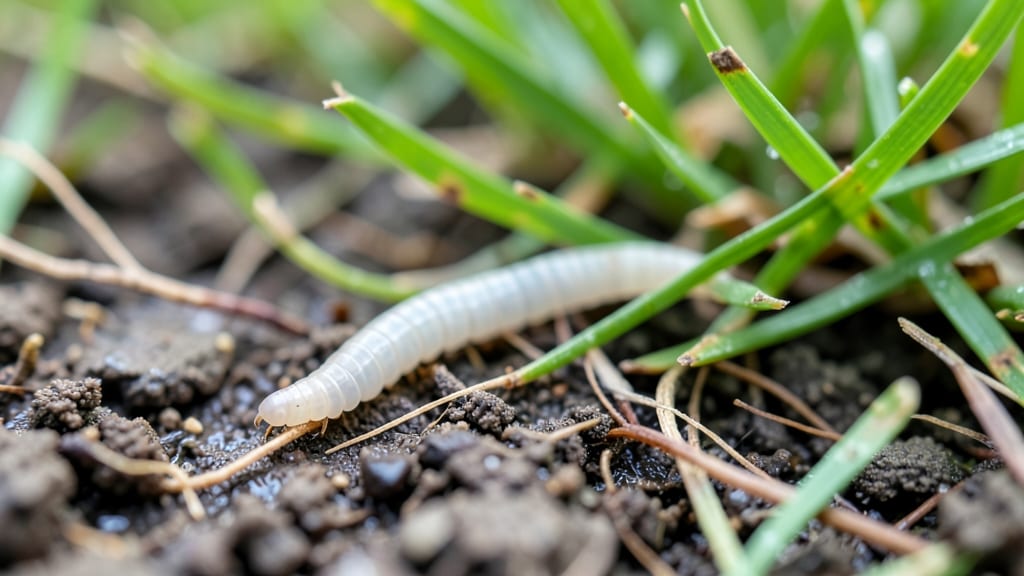
How to get rid of lawn grubs organically—without chemicals, without harming your yard’s ecosystem. The secret isn’t brute force; it’s working with nature to starve them out before they turn your grass into a chewed-up mess. I’ve battled grubs in my yard for years, and these soil-healthy methods finally gave me back a thick, green carpet without toxic sprays.
The first step is understanding why they’re there: overwatered lawns, thick thatch, and monoculture grass create the perfect buffet. Instead of reaching for pesticides, we focus on drought stress (grubs hate dry soil), beneficial nematodes that hunt them, and milky spore—a natural bacteria that builds up over time.
Even birds and toads become your allies when you create the right conditions.
By combining proper watering schedules, core aeration, and neem oil treatments, you’ll see grub populations drop within 4-6 weeks. The best part?
Your lawn stays healthier than ever, with deeper roots and better resilience against future pests. No more patchy, brown spots—just lush grass that thrives naturally.
This works in any climate, though milky spore takes longer to establish in cooler regions. The key is consistency—once you disrupt the grub’s life cycle, they won’t come back as easily. Let’s get your lawn back to its best without harming the ecosystem.
Root Causes of Lawn Grub Infestations
Understanding why lawn grubs invade your yard is the first step to stopping them naturally. These white, C-shaped larvae—often from beetles like Japanese beetles, June bugs, or European chafer beetles—don’t just show up randomly.
Their presence is usually a sign of underlying conditions in your lawn or environment. Let’s break down the key factors that turn your grass into a grub buffet.
---
Grubs thrive in moist, soft soil—almost like a spa retreat for larvae. If your lawn stays soggy for extended periods, you’re creating the perfect breeding ground. Here’s why:
- Excess moisture: Grubs can’t survive in dry soil, so they seek out damp areas where they can feed on roots without drying out. Overwatering (especially with frequent, shallow watering) keeps the topsoil consistently wet, signaling to beetles that it’s a safe place to lay eggs.
- Compacted soil: Heavy foot traffic, machinery, or clay-heavy soil can compress the ground, reducing drainage. This creates pockets of water where grubs can burrow and multiply unchecked.
- Thatch buildup: A thick layer of organic debris (like dead grass clippings) traps moisture and blocks airflow, making it easier for grubs to hide and feed.
Actionable insight: Test your soil’s drainage by digging a 6-inch hole and filling it with water. If it drains in less than 6 hours, your soil is fine. If not, amend it with sand or organic matter (like compost) to improve aeration.
---
Healthy grass is resilient—it can recover from minor grub damage. But when your lawn is already struggling, grubs see it as an all-you-can-eat salad bar. Stressors include:
- Nutrient deficiencies: Grass lacking nitrogen, phosphorus, or potassium grows slowly and produces weak roots, making it easier for grubs to chomp through. A soil test can reveal imbalances.
- Disease or fungus: Fungal infections (like brown patch or dollar spot) weaken grass blades, leaving roots vulnerable. Grubs target these already compromised areas.
- Improper mowing: Cutting grass too short (below 2–3 inches) exposes roots and stresses the plant. Taller grass shades the soil, making it harder for beetles to spot egg-laying spots.
- Pest damage**: Other insects (like chinch bugs or sod webworms) can weaken grass before grubs move in, creating a domino effect of destruction.
Pro tip: Mow high in summer (3–4 inches) to encourage deeper roots and shade out beetles. Fertilize with a balanced, slow-release formula to build grass toughness.
---
Grubs are the larvae of beetles, and their arrival is directly tied to adult beetle activity. Here’s how it happens:
| Beetle Type | Peak Activity | Why It Matters |
|---|---|---|
| Japanese Beetles | June–August | Females lay eggs in compacted, moist soil. Their grubs (called "white grubs") can devour entire lawns in a season. |
| June Bugs | July–September | Adults emerge at night to feed on foliage, then lay eggs in well-watered turf. Their grubs overwinter and re-emerge in spring. |
| European Chafer Beetles | May–June | These beetles target newly seeded or stressed lawns. Their grubs are particularly aggressive and can kill grass in patches. |
Key trigger: Warm, humid nights (ideal for beetle flights) combined with soft, watered soil (ideal for egg-laying) create a perfect storm. If your neighbors have grubs, their beetles might be migrating to your yard too.
---
Not all lawns are equally appealing to grubs. Beetles prefer:
- Cool-season grasses: Kentucky bluegrass, fescue, and ryegrass are grubs’ favorites because their shallow root systems are easy pickings.
- Newly seeded areas: Freshly planted grass is tender and nutrient-rich, making it a magnet for egg-laying females.
- Shady or low-traffic spots: Beetles avoid sunny, well-trodden areas (where predators like birds or toads hunt). They target damp, undisturbed patches instead.
Did you know? Warm-season grasses (like Bermuda or Zoysia) are more resistant to grubs because their deeper roots deter larvae. If you’re prone to infestations, consider mixing grass types or overseeding with grub-resistant varieties.
---
Now that you know the “why” behind grub invasions, the next step is to disrupt their life cycle without harsh chemicals. The good news? Healthy soil and smart lawn care can outsmart these pests naturally.
Natural Fixes for Grub-Infested Lawns
Grubs may be tiny, but their damage can be devastating—thinning grass, brown patches, and even dead spots. The good news? You don’t need harsh chemicals to outsmart them.
Below, we’ve mapped organic solutions directly to the most common causes of grub infestations, along with preventive steps to keep your lawn healthy long-term. These methods are easy, effective, and eco-friendly, ensuring your turf stays lush without harming the environment (or your family’s pets).
---
Grubs thrive in soggy, poorly aerated soil where roots can’t breathe. If your lawn feels spongy or water pools after rain, you’re creating the perfect grub buffet.
#### 🔥 Fix: Improve Soil Drainage & Aeration 1. 👨🍳 Test Your Soil Grab a handful of damp soil and squeeze it—if it holds its shape (like a clay ball), drainage is poor. A simple soil test kit (available at garden centers) can confirm pH and compaction levels.
2. ⚡ Aerate Your Lawn Rent a core aerator (or hire a pro) to pull small plugs of soil, allowing water, air, and nutrients to reach roots. Do this in early fall when grubs are most active but before they pupate.
3. 💧 Adjust Watering Habits - Water deeply but infrequently (1–1.5 inches per week). - Avoid daily light watering, which keeps soil damp—grub heaven. - Water in the early morning to reduce fungal risks.
4. 🌱 Add Organic Matter Spread 2–3 inches of compost or aged manure over the lawn, then lightly rake it in. This improves structure and encourages beneficial microbes that outcompete grubs for food.
--- Grubs target thin, weak, or newly seeded grass because it’s easier to munch. Over-fertilizing or scalping (cutting too short) invites them in.
#### 🍳 Strengthen Your Lawn’s Defenses 1. ✂️ Mow High & Leave Clippings Set your mower to 3–4 inches—taller grass shades out weeds (grub favorites) and develops deeper roots. Never remove clippings (they return nutrients to the soil!).
2. 🌿 Overseed Bare Spots Fill thin areas with grub-resistant grass seeds like tall fescue or Kentucky bluegrass. These varieties recover faster and deter pests.
3. 💪 Fertilize Smartly - Use slow-release organic fertilizers (like fish emulsion or compost tea) in early spring or fall. - Avoid high-nitrogen feeds in summer—they promote soft, grub-loved growth.
4. 🌡️ Boost Beneficial Microbes Apply a mycorrhizal fungus or beneficial nematodes (like Steinernema carpocapsae). These microscopic allies paralyze and kill grubs naturally.
--- Grubs have enemies—birds, toads, beetles, and parasitic wasps—but if their habitat is disrupted, they won’t stick around.
#### 🎯 Invite Grub-Hunting Allies 1. 🐦 Create a Wildlife-Friendly Lawn - Leave leaf litter or mulch in borders to attract ground beetles (grub devourers). - Install a birdbath or shallow dish of water—robins and starlings love grubs for breakfast.
2. 🔪 Introduce Beneficial Nematodes - How to apply: Mix 1–2 pounds of nematodes per 1,000 sq ft with water and apply in the evening (they die in sunlight). - Best time: Early morning or late evening in spring or fall (when soil temps are 50–85°F).
3. 🌿 Plant Grub-Repellent Ground Covers - Clover (crowds out grubs and fixes nitrogen). - Chives or garlic (their scent deters pests). - Marigolds (release compounds toxic to grubs).
--- Once you’ve treated an infestation, lock in your wins with these long-term strategies:
- 🌡️ Time Your Treatments Right: Apply nematodes or milky spore (a natural bacteria) in early summer to prevent egg-laying. - 🚫 Avoid Synthetic Pesticides: They kill beneficial insects that keep grubs in check. - 🔍 Inspect Regularly: Lift a small patch of sod in late summer—if you see C-shaped white larvae, act fast! - 🍂 Clean Up Debris: Remove thatched grass and leaf piles where grubs hide to pupate.
--- If your lawn is already suffering, follow this 3-step emergency fix:
1. 🔪 Handpick & Drown Grubs - On a cool, damp evening, flip over a small section of sod and pick off grubs (drop them in soapy water). - Repeat weekly for 4–6 weeks.
2. 🌱 Apply Milky Spore (for Long-Term Control) - This natural bacteria (Bacillus popilliae) targets Japanese beetle grubs. - Mix with water and apply to moist soil in June–July.
3. 💧 Flood the Area (Temporary Shock Treatment) - For severe infestations, water the lawn deeply for 30+ minutes to force grubs to the surface, where birds will snack on them.
--- Pro Tip: 🌱 Healthy soil = happy grass = fewer grubs. Focus on organic matter, proper watering, and predator support, and you’ll naturally reduce grub populations without chemicals. Patience is key—some methods take 1–2 seasons to show full effects, but the payoff is a thriving, pest-resistant lawn!
Frequently asked questions
How do I know if my lawn has grubs?
Look for these telltale signs: spongy grass that pulls up easily, brown patches that grow larger, or increased bird activity (like robins pecking at the soil). Dig up a small section of sod—if you see C-shaped white larvae (1/4–1 inch long), you’ve got grubs!
Can I use neem oil to kill grubs?
Neem oil is more effective as a deterrent than a killer. Mix 2 tablespoons per gallon of water and spray on soil in evening (grubs hate the smell). For best results, combine it with beneficial nematodes—neem repels adults while nematodes attack larvae. Reapply every 2 weeks during grub season.
Will milky spore work in my climate?
Milky spore (Bacillus popilliae) thrives in warm, humid climates (like the Southeast U.S.). In cooler regions, it may take 2–3 years to establish. For northern areas, combine it with beneficial nematodes (active in 50–85°F soil) for faster results. Always apply to moist soil in late spring/early summer.
How often should I aerate to prevent grubs?
Aerate once per year in early fall (when grubs are active but before pupating). For high-risk lawns, do it twice yearly (spring and fall). Core aeration reduces compaction (grubs love soft soil) and improves water drainage—key for disrupting their life cycle.
Are there any plants that naturally repel grubs?
Yes! Clover (crowds out grubs), chives/garlic (deter with scent), and marigolds (release grub-toxic compounds) work well. For lawns, overseed with tall fescue—its deep roots make it harder for grubs to feed. Plant borders with catnip or mint to repel beetles that lay eggs.