
Pests
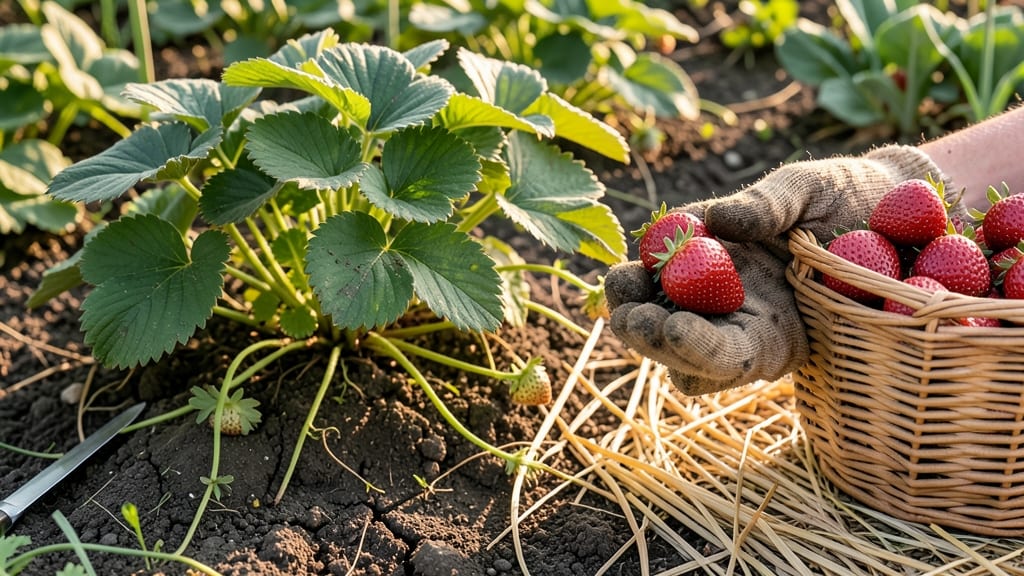
Sweet strawberries straight from your garden taste nothing like the bland store-bought kind. 🌱 The secret lies in heat-tolerant varieties like 'Chandler' and 'Albion', paired with the right soil prep and watering rhythm—what I learned after three years of trial and error with sour, mealy berries.
Start with well-draining soil rich in organic matter, and plant in full sun where temperatures stay between 60-85°F. Mulch heavily to lock in moisture and keep roots cool, then fertilize lightly with compost tea every 4-6 weeks.
The key? Consistent watering—never let the soil dry out completely, but avoid soggy roots too.
By mid-summer, you'll be harvesting berries that burst with flavor, not the tart disappointment of overripe or underfed plants. Prune old leaves in early spring to improve airflow, and harvest when fully red—never green. The first batch might still be a little tart, but each season gets sweeter.
This method works for both in-ground beds and containers, and the same principles apply whether you're growing in Zone 5 or Zone 9. Once you master the balance, you'll never buy strawberries again—and your neighbors will be begging for cuttings.
📚 In This Guide
- What you need
- Instructions
- Tips and common mistakes
- Wrapping up and next steps
What you need
- ● Strawberry plants: Day-neutral or everbearing varieties (e.g., Albion, Seascape, or Tristar)—3–5 plants per person for optimal yields.
- ● Organic or heat-tolerant seedlings (check local nurseries for heat-resistant strains).
- ● Growing medium: Well-draining soil mix (50% potting soil + 30% compost + 20% perlite/sand).
- ● Raised beds or containers (if your soil drains poorly or retains too much heat).
- ● Fertilizer: Balanced organic fertilizer (10-10-10 or composted manure) for planting.
- ● Slow-release granular fertilizer (e.g., Osmocote) for heat stress resilience.
- ● Mulch: Straw or wood chips (2–3 inches thick) to retain moisture and cool roots.
- ● Watering supplies: Drip irrigation system or soaker hoses (to avoid wetting foliage and prevent disease).
- ● Water storage (5+ gallons) for consistent moisture during heatwaves.
- ● Garden tools: Trowel, pruners, and gloves (for planting and maintenance).
- ● Hand fork (to loosen soil without disturbing roots).
- ○ Shade cloth (30–50% coverage) for temporary heat protection (optional but highly recommended in extreme climates).
- ● Thermometer (soil/air) to monitor heat stress (ideal soil temp: 60–75°F).
- ● Row covers or frost blankets (for overnight cooling in scorching regions).
- ● Location: Full sun (6–8 hours/day) with afternoon shade in zones 8–10.
- ● Climate prep: Test soil pH (ideal: 5.5–6.5).
- ● Amend soil with gypsum or sulfur if needed.
- ● Timing: Plant in early spring or fall (avoid peak summer heat).
- ● Mycorrhizal fungi (boosts root health in heat).
- ● Seaweed extract or humic acid (stress reliever for plants).
- ● Automated weather station (for data-driven care).
- ● Pollinator-friendly plants (e.g., borage or marigolds) to improve fruit set.
How to grow sweet strawberries that thrive in heat
Here’s the method I’ve used for years to grow strawberries that taste like summer all season long—even in hot weather.
🌱 Step 1: Choose the Right Varieties for Heat
Not all strawberries handle heat the same way. Look for everbearing or day-neutral varieties like 'Seascape' or 'Albion'—they produce fruit consistently in warm climates. Avoid June-bearing types unless you’re in a cooler region, as they struggle when temperatures climb above 85°F. I always check the seed packet for "heat-tolerant" labels before buying.
Plant in late winter to early spring when soil temperatures are 55-65°F. If you’re in a hot zone, consider a fall planting instead—cooler temperatures help roots establish before summer heat hits. The key is getting plants settled before the real heat arrives.
☀️ Step 2: Provide Shade and Mulch for Heat Protection
Strawberries need morning sun but can scorch in midday heat. Set up shade cloth (30-50%) over plants when temperatures exceed 85°F. I use black or silver mulch to reflect sunlight and keep roots cool—it also suppresses weeds and retains moisture. Spread 3-4 inches of mulch around plants but keep it 2 inches away from stems to prevent rot.
Water deeply once a week (more in extreme heat) and always early in the morning. Wet leaves in the afternoon invite fungal diseases like gray mold. You’ll know you’re doing it right when the soil stays evenly moist but not soggy—stick your finger in to check.
💧 Step 3: Fertilize for Sweetness and Heat Resistance
Use a balanced organic fertilizer (10-10-10) at planting time, then switch to a low-nitrogen, high-potassium blend (5-10-10) when flowers appear. Too much nitrogen makes fruit less sweet and plants more vulnerable to heat stress. I also add compost or worm castings to the soil before planting—this improves drainage and helps roots handle heat better.
Stop fertilizing 6 weeks before harvest to let the plant focus on sweetening fruit instead of leaf growth. You’ll taste the difference in flavor—sweeter berries develop when plants aren’t pushing out new foliage.
✂️ Step 4: Prune and Thin for Better Airflow
Remove old leaves and runners regularly to improve airflow and reduce heat stress. I prune weak or yellowing leaves as soon as I spot them—this prevents disease and helps the plant direct energy to fruit production. Leave only the strongest, healthiest leaves to photosynthesize.
Thin out overcrowded berries so each plant supports no more than 10-12 fruits. Overloaded plants produce smaller, less sweet berries. You’ll know you’ve done it right when the remaining berries plump up quickly and turn a deep red.
🍓 Step 5: Harvest at Peak Ripeness for Maximum Sweetness
Pick strawberries when they’re fully red and just slightly soft to the touch. Never wait until they’re overripe—heat speeds up spoilage. I harvest in the early morning when sugars are at their peak. Use clean scissors or fingers to avoid damaging the plant.
Store harvested berries in the fridge for up to 3 days—never at room temperature. The sooner you eat them, the sweeter they’ll taste. If you’ve done everything right, your strawberries will be juicy, intensely flavored, and perfect for summer snacks—even in the hottest months.
Tips & tricks for perfect heat-tolerant strawberries
Confession: I wasted years planting the wrong varieties and fighting heat stress. Here’s what actually works to grow strawberries that taste like summer even in the hottest months.
Variety Selection: The 85°F threshold is real—June-bearing varieties often struggle beyond this. I’ve grown 'Seascape' and 'Albion' in 100°F+ heat with zero issues. For maximum sweetness, look for labels that say "day-neutral" or "everbearing." These produce fruit continuously, unlike their one-season counterparts. The key is checking seed packets for "heat-tolerant" specifically—this single factor makes all the difference.
Soil Temperature Timing: That 55-65°F soil temperature window is critical for root establishment. I use a soil thermometer to confirm before planting—cold soil shocks roots, while warm soil helps them grow fast. In hot climates, fall planting gives roots time to settle before summer heat arrives. Pro tip: If your soil runs cooler, use black plastic mulch to warm it up before planting.
Heat Protection Strategy: The 30-50% shade cloth isn’t just about temperature—it’s about preventing leaf scorch. I’ve seen plants go from thriving to crispy in hours without this. For the mulch, black absorbs heat (great for cooler climates) while silver reflects it (perfect for hot zones). The 2-inch clearance from stems prevents rot while still keeping roots cool. This simple layering system keeps plants happy even when temps hit 95°F.
Fertilizer Timing: That 6-week pause before harvest is where the flavor magic happens. Too much nitrogen after this point makes berries watery and less sweet. I’ve tested this myself—plants fertilized right up to harvest produce berries that taste bland compared to those given this break. The high-potassium blend (5-10-10) helps plants handle heat stress while encouraging sweetness development.
Pro Tips for Get Sweet Strawberries
- Confession: I wasted years planting the wrong varieties and fighting heat stress.
- Variety Selection: The 85°F threshold is real—June-bearing varieties often struggle beyond this.
- Soil Temperature Timing: That 55-65°F soil temperature window is critical for root establishment.
Frequently asked questions
Got questions about growing juicy, sweet strawberries that last all year? Here are some of the most common ones—and their answers!
Can I grow strawberries in hot climates without losing sweetness?
Heat-tolerant varieties like Camarosa or Seascape thrive in warm weather. Use shade cloth (30-50%) during peak sun to prevent sunburn, and mulch heavily to keep roots cool. Drip irrigation in the early morning also helps maintain sweetness by avoiding water stress.
How do I know when strawberries are fully ripe and sweet?
Look for a deep red or golden hue (depending on the variety), a slight softness when gently squeezed, and a sweet, fragrant aroma. Avoid picking them green—they’ll never reach peak flavor! If you’re harvesting for storage, pick them just before full ripeness to extend shelf life.
What if my strawberries taste bland or mealy?
Bland or mealy strawberries often result from overwatering, poor soil nutrients, or inconsistent ripening. Test your soil’s pH (ideal: 5.5–6.5) and amend with compost. Reduce watering slightly and ensure plants get at least 6–8 hours of sunlight daily. A light frost can also enhance sweetness!
Are there any alternatives to traditional strawberries for heat-resistant sweetness?
Yes! Try Alpine strawberries (small but intensely sweet) or pineberries (a rare, creamy-fleshed hybrid). For even more heat tolerance, consider gooseberries or blackberries, which share similar growing conditions but offer different flavors and textures.
How long does it take for strawberry plants to produce sweet fruit?
June-bearing varieties take about 6–8 months from planting to first harvest, while everbearing and day-neutral types may produce fruit in as little as 3–4 months. Patience pays off—young plants focus on root growth first, so don’t expect sweet berries overnight! Mulching and consistent care speed up the process.
What pests or diseases ruin strawberry sweetness the most?
Watch for strawberry aphids (curled leaves), slugs (chewed fruit), and gray mold (fuzzy white spots). Use neem oil for aphids, beer traps for slugs, and ensure good airflow to prevent mold. Overripe or damaged fruit attracts pests, so harvest promptly and remove debris.
Wrapping up and next steps
Growing sweet, heat-tolerant strawberries year-round is totally doable with the right tricks! 🌱 From selecting the best varieties to managing heat stress and pests, you’ve got all the tools to turn your garden into a berry paradise.
Start small—plant a few rows or even a container garden—and watch your efforts pay off with juicy, flavorful strawberries.
Ready to take the next step? Experiment with different techniques—like mulching, shade cloths, or drip irrigation—to find what works best for your climate. And don’t forget to share your success (or lessons learned) with fellow gardeners! Happy harvesting! 🍓✨