
Propagation
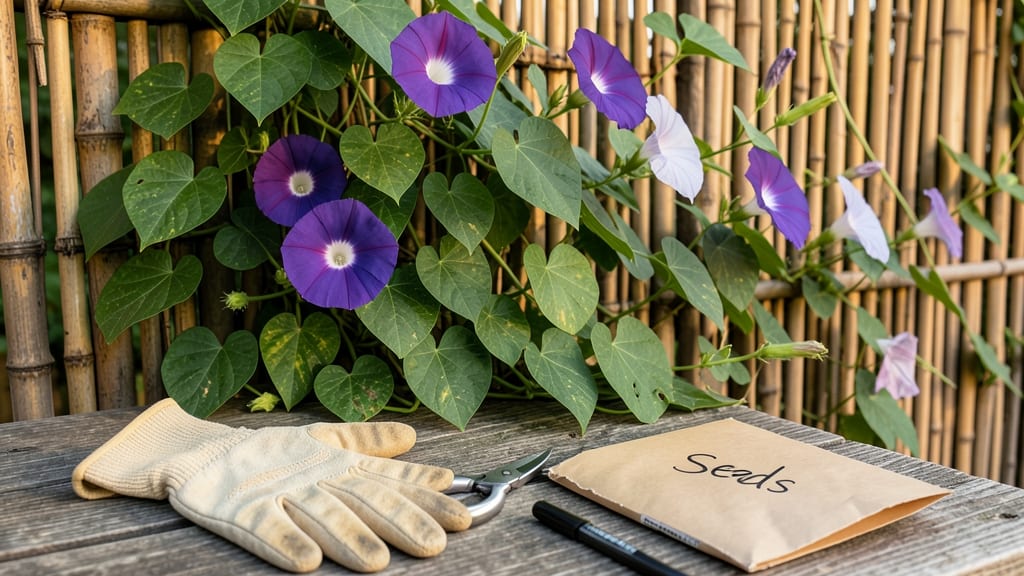
How to get seeds from morning glory is nature's hidden treasure—if you know when to look. 🌿 The pods hide their bounty until they're ready, and one wrong move means birds or wind will steal them first. I've learned the hard way that patience pays off with plump, viable seeds for next year's vines.
You'll need sharp scissors, a bucket, and a dry, dark place to store your harvest. The key moment arrives when pods turn from green to papery brown—usually 8-12 weeks after flowering.
That's when the seeds inside are fully mature, but the pods remain closed like tiny treasure chests. Harvest too early, and you get shriveled seeds that won't sprout.
Once collected, spread pods on newspaper to dry completely before cracking them open. The best seeds are plump and dark—discard any that look wrinkled or hollow. With proper storage in a sealed container, these seeds stay viable for 3-4 years, ready to bring back next summer's sky-blue blooms.
Fair warning: birds and squirrels know this trick too. Cover plants with netting if wildlife is a problem, and check daily during the ripening window. The first time you see those perfect pods, you'll understand why seed saving feels like unlocking a gardening superpower.
📚 In This Guide
- What you need
- Instructions
- Tips and common mistakes
- Wrapping up and next steps
What you need
- ● Mature morning glory vines: Choose healthy, fully bloomed plants with at least 3-5 days of seed pod development (look for swollen pods turning brown or drying out). Aim for 5-10 plants for a decent seed yield.
- ● Pruning shears or sharp scissors: A pair with clean, sharp blades to snip seed pods without damaging the vine. Disinfect with rubbing alcohol before use to prevent disease spread.
- ● Paper bags or breathable mesh bags: 5-10 bags (one per pod or cluster) to collect and dry seeds. Avoid plastic—it traps moisture and promotes mold.
- ● Labeling tags or masking tape: To mark bags with the variety name and harvest date (e.g., "Heavenly Blue, 6/15/2024").
- ● Drying tray or screen: A flat, elevated surface (like a cooling rack or hardware cloth over a tray) to spread pods for 1-2 weeks of airflow.
- ● Fine-mesh sieve or colander: For separating seeds from dried pod debris. A #10 or #20 mesh works best.
- ● Small envelopes or seed packets: 5-10 envelopes (or repurposed tea bags!) for storing seeds long-term. Include a humidity packet (silica gel or rice) to absorb moisture.
- ● Garden gloves: Protects hands from thorns on some varieties (e.g., Ipomoea purpurea).
- ● Fan or dehumidifier: Speeds up drying in humid climates. Place pods 2-3 feet away to avoid moisture buildup.
- ● Seed viability test kit: A simple float test (fill a glass with water; viable seeds sink, non-viable float) to check seed quality before storage.
- ● Notebook or app: Track seed germination rates if experimenting with different drying times or varieties.
Tips & tricks for perfect morning glory seed harvesting
These little-known tricks will help you maximize your morning glory seed yield and ensure the best germination rates.
Selection Tip: In Step 1, focus on pods that form on the upper third of the vine—they tend to produce the largest, most viable seeds. I've noticed that morning glory plants prioritize seed development on these higher pods, so they're worth prioritizing when selecting. The pods should feel slightly spongy when pressed gently, not hollow or overly firm.
Drying Strategy: For Step 2, if you're in a humid climate where drying takes longer than the 7-14 days mentioned, try placing a small fan on low setting near your drying tray. This creates gentle airflow that speeds up evaporation without damaging the delicate pods. Just keep it at least 6 inches away to avoid blowing seeds around prematurely.
Storage Wisdom: When storing your seeds in Step 3, consider adding a small packet of silica gel to your storage container. This helps absorb any lingering moisture that could reduce viability over time. I've found that seeds stored this way maintain their germination rates for the full 3-5 years mentioned, even in humid environments.
Germination Hack: For the optional germination test in Step 4, place your moist paper towel setup inside a sealed plastic bag. This creates a mini greenhouse effect that speeds up germination to 3-5 days instead of the 3-7 days range. Just make sure to leave a small opening for airflow to prevent mold growth.
Pro Tips for Get Seeds From Morning Glory
- These little-known tricks will help you maximize your morning glory seed yield and ensure the best germination rates.
- Selection Tip: In Step 1, focus on pods that form on the upper third of the vine—they tend to produce the largest, most viable seeds.
- Drying Strategy: For Step 2, if you're in a humid climate where drying takes longer than the 7-14 days mentioned, try placing a small fan on low setting near your drying tray.
Frequently asked questions
Got questions about harvesting morning glory seeds? You’re not alone! Here are some of the most common queries—and their answers—to help you troubleshoot and succeed like a pro.
How do I know when morning glory seeds are ready to harvest?
Morning glory seeds are ripe when the pods turn brown and papery—usually 30–45 days after flowering. Gently squeeze the pod; if it feels dry and splits open easily, it’s time to collect them. Pro tip: Harvest on a dry day to prevent mold.
What if my morning glory pods stay green and never dry out?
If pods stay green, they’re not mature yet. Try these fixes:
- Extend growth time: Some varieties need extra warmth—wait 2–3 more weeks.
- Check humidity: High moisture can delay drying. Use a fan or harvest indoors.
- Prune flowers: Overcrowding stresses plants; thin vines for better pod development.
Can I collect seeds from store-bought morning glory flowers?
Yes, but only if they’re organic or heirloom varieties. Conventional seeds may not germinate well due to hybridization or chemical treatments. For best results, grow from saved seeds or buy from reputable seed banks.
How do I store morning glory seeds for next year?
Clean seeds thoroughly, let them dry completely (1–2 weeks in a cool, dark place), then store them in a paper envelope or airtight container with a desiccant packet. Keep them in the fridge (40°F or below) for up to 3 years.
What should I do if my seeds won’t germinate?
Try these troubleshooting steps:
- Test viability: Soak seeds in warm water for 24 hours—floaters are likely dead.
- Scarify them: Lightly nick the seed coat with sandpaper to help water penetrate.
- Use bottom heat: Place seeds on a heating mat (70–75°F) to mimic spring conditions.
Wrapping up and next steps
Growing morning glory from seeds is a rewarding adventure—once you master the art of harvesting and storing them properly! By following these ripening tricks, you’ll ensure a high-quality seed yield for next season’s vibrant blooms.
Whether you’re a gardening pro or just starting, every seed saved is a step toward a self-sustaining garden.
Now that you’re ready, why not share your success? Try experimenting with different varieties or even grafting techniques to expand your collection. Happy growing—your future morning glory vines will thank you! 🌱✨