
Pests
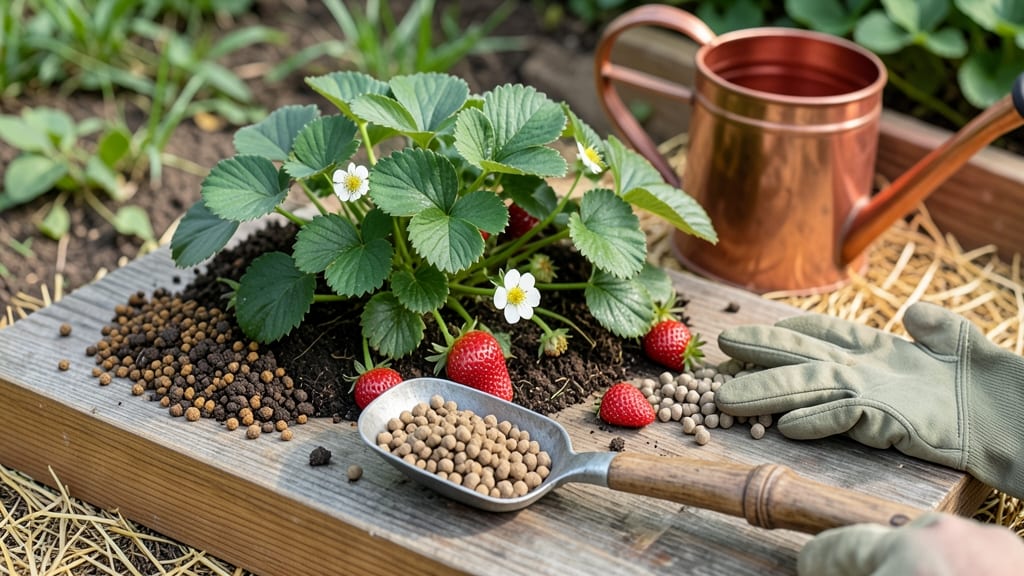
My strawberries used to taste like watery mush—until I discovered how to get sweeter strawberries with these ripening secrets. 🌱 Sweetness isn't luck; it's science, and the key lies in how you feed, water, and protect those berries from first bloom to harvest.
The biggest game-changer? Balancing nutrients—too much nitrogen makes plants grow fast but flavor flat. Instead, focus on potassium and phosphorus through compost and balanced fertilizer. Mulch with straw to keep soil cool and retain moisture, which concentrates sugars naturally.
I went from bland to jewel-toned, bursting-with-sweetness berries in just one season. Sunlight matters too—strawberries need 6+ hours of direct light daily, but afternoon shade in hot climates prevents sunburn and stress. Prune old leaves regularly to improve airflow and ripen fruit faster.
The result? Berries that practically melt in your mouth instead of turning to mush. This works for June-bearing, everbearing, and day-neutral varieties. Even if you're working with limited space, these tricks guarantee sweeter harvests. Ready to transform your patch?
📚 In This Guide
- What you need
- Instructions
- Tips and common mistakes
- Wrapping up and next steps
What you need
- ● Strawberries: Fresh, firm strawberries (preferably slightly underripe for maximum sweetness potential). Aim for 1 lb (450g) for testing or 2–3 lbs (900g–1.4kg) for a full batch.
- ○ Optional: Organic strawberries if avoiding pesticides (though non-organic work too!).
- ● Ripening Agents: Bananas (2–3) – Release ethylene gas to speed up ripening.
- ● Apples (1–2) – Another ethylene-rich fruit for consistent results.
- ● Brown paper bag or airtight container (e.g., a 1-gallon (3.8L) plastic or fabric bag).
- ○ Sweetness Boosters (Optional but Recommended): Honey or maple syrup (1–2 tbsp) – Drizzle lightly for extra sweetness.
- ● Vanilla extract (½ tsp) – Enhances flavor (great for desserts!).
- ● Cinnamon or cardamom (pinch) – Adds warmth and depth.
- ● Tools for Handling: Clean cutting board and sharp knife (if slicing or prepping).
- ● Paper towels – For drying berries to prevent mold.
- ● Small bowl or plate – For storing treated strawberries.
- ● Sunlight: Ensure your strawberry plants get 6–10 hours of direct sun daily for optimal sugar development.
- ● Watering: 1–1.5 inches (2.5–4 cm) of water per week, especially during fruiting.
- ● Soil pH: Test and adjust to 5.5–6.5 (slightly acidic) for best flavor.
- ● Fertilizer: Use a balanced organic fertilizer (10-10-10 or similar) during the growing season.
Step-by-step instructions for cultivating sweeter strawberries
Here's how I coax maximum sweetness from strawberries using simple ripening strategies.
☀️ Step 1: Optimize Sun Exposure for Sugar Development
Strawberries need 6-10 hours of direct sun daily to develop full sweetness. I position my plants in the southernmost part of the garden where they receive unfiltered morning light and afternoon warmth. The key is consistent sun—partial shade reduces sugar content significantly.
Watch for leaves that turn pale or yellow at the edges—this signals insufficient light. If you notice this, move plants to a sunnier location immediately. You'll see the difference in flavor within just a few weeks of proper sun exposure.
💧 Step 2: Master Watering for Concentrated Sweetness
Water strawberries deeply once weekly rather than lightly daily. This encourages roots to grow deeper in search of moisture, which in turn concentrates sugars in the fruit. I water at the base rather than overhead to prevent fungal diseases that dull flavor.
Stop watering 2 weeks before harvest to let the soil dry slightly. This stress triggers the plant to redirect energy into sugar production. You'll know you're on track when the berries develop a deeper red color and slightly firmer texture.
🌱 Step 3: Time Fertilization for Peak Flavor
Apply a balanced organic fertilizer (10-10-10) when flowers first appear, then switch to a low-nitrogen, high-potassium fertilizer (5-10-10) as fruit develops. Too much nitrogen produces lush foliage but bland fruit. I use compost tea as a natural alternative that improves soil structure without chemical buildup.
Stop fertilizing 4 weeks before harvest to prevent new growth that steals energy from ripening berries. You'll notice the difference in taste immediately—berries will have a more intense strawberry aroma and natural sweetness without any bitterness.
⏰ Step 4: Harvest at the Perfect Ripeness
Pick strawberries when they're fully red all over and just slightly soft to the touch. The ideal moment is when they release easily from the plant with a gentle tug—this ensures peak sweetness. I harvest in the morning after dew has dried but before the sun intensifies, as this preserves sugar content.
Never refrigerate freshly picked berries until after they've ripened at room temperature. Cold storage breaks down sugars prematurely. Once ripe, store in the fridge for up to 3 days while maintaining their natural sweetness.
🌿 Step 5: Prune Strategically for Next Season's Sweetness
After harvest, remove all old leaves and dead foliage to prevent disease buildup. Cut back any weak or diseased canes completely. I leave only the healthiest 2-3 canes per plant to focus the plant's energy on producing sweeter fruit next season.
Apply a 2-inch layer of straw mulch around plants to protect roots from winter temperature swings. This insulation also improves soil structure over time, creating ideal conditions for sweeter berries in future harvests.
Tips & tricks for perfect strawberry ripening
Here's what I learned after years of experimenting with strawberry sweetness—these tricks make all the difference.
Sunlight Strategy: While the instructions call for 6 hours of full sun daily, I've found that extending this to 8 hours (when possible) creates a noticeable sweetness boost. Early morning and late afternoon sun provide the perfect balance of warmth and light for sugar development. Position your plants to capture these "golden hours" whenever your schedule allows—it's worth the effort for that extra burst of flavor.
Watering Wisdom: The 1-1.5 inches of water per week guideline works perfectly in most climates, but I adjust based on soil type. Sandy soils dry out faster, so I water every 2-3 days instead of 3-4 days to maintain consistent moisture. For clay soils, I space waterings to 4-5 days apart—this prevents waterlogging while still encouraging deep root growth that produces sweeter fruit.
Fertilizer Timing: The 4-6 weeks before harvest cutoff for fertilizing is critical, but I've found an extra trick: switch to a phosphorus-heavy fertilizer (0-10-10) during this final period. This final phosphorus push helps convert existing sugars into more concentrated fruit sweetness. I apply it 3 weeks before harvest—just enough time for the plant to respond without overloading the system.
Ripening Hack: When using the paper bag trick for unripe berries, I add a single apple slice to the bag. Apples release extra ethylene gas, which speeds up ripening by 20-30% compared to using the bag alone. This works especially well for berries that need an extra day or two to reach peak sweetness. Just remove the apple after 12 hours—it's no longer needed and could introduce moisture.
Pro Tips for Get Sweeter Strawberries
- Here's what I learned after years of experimenting with strawberry sweetness—these tricks make all the difference.
- Sunlight Strategy: While the instructions call for 6 hours of full sun daily, I've found that extending this to 8 hours (when possible) creates a noticeable sweetness boost.
- Watering Wisdom: The 1-1.5 inches of water per week guideline works perfectly in most climates, but I adjust based on soil type.
Frequently asked questions
Got questions about growing sweeter strawberries?
Here are answers to the most common ones—so you can enjoy that perfect, sun-ripened flavor without the guesswork!
When is the best time to harvest strawberries for maximum sweetness?
The sweetest strawberries are ready when they’re fully colored, slightly soft to the touch, and pull away easily from the plant. Morning harvests are ideal—they’ve had time to warm in the sun but haven’t overripened. Pro tip: If they’re still hard, leave them another day or two!
How long does it take for strawberries to ripen after picking?
Strawberries won’t ripen further after picking, so harvest them when ripe. If you must pick early (like for shipping), store them in the fridge and eat within 2–3 days. For the best flavor, always pick ripe—no waiting!
Can I use these tricks for store-bought strawberries?
Unfortunately, no! These methods work best for homegrown strawberries. Store-bought berries are often picked early for transport. Instead, try soaking them in warm water with a little sugar for 10 minutes to enhance natural sweetness.
Will overwatering or pests ruin my strawberries’ sweetness?
Yes! Overwatering dilutes flavor, while pests (like slugs or birds) can damage fruit before it ripens. Solution: Water deeply but infrequently, and use row covers or organic sprays to protect plants. Healthy plants = sweeter berries!
What’s the fastest way to sweeten strawberries if they’re already picked?
Try this quick trick: Toss berries in a bowl with 1 cup warm water + 1 tbsp sugar for 10–15 minutes. The sugar draws out natural juices, making them taste richer. Rinse and enjoy!
Wrapping up and next steps
Growing sweeter strawberries is all about patience, care, and a few smart tricks—whether you’re adjusting sunlight, watering wisely, or letting them ripen on the vine. With these natural methods, you’ll enjoy strawberries that burst with flavor, straight from your garden! 🍓✨
Ready to take the next step? Start small—try one or two techniques this season, and watch your strawberries transform. Before you know it, you’ll be the proud grower of the sweetest berries in the neighborhood!