
Vegetables
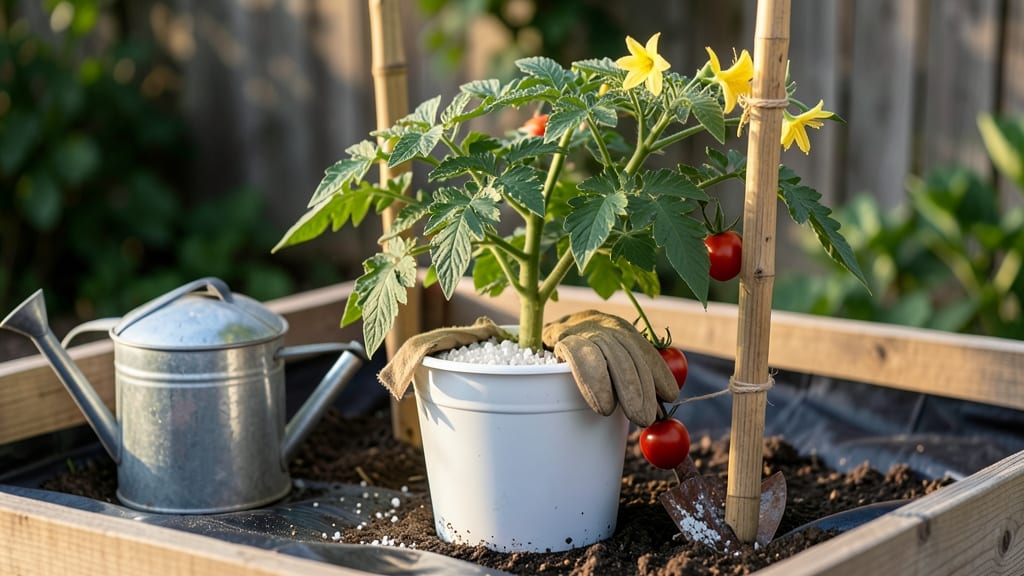
How to give tomatoes the calcium they need will save your harvest from the devastating effects of blossom end rot—those ugly brown patches that turn your fruit into sad, leathery failures. 🌱 The brown, leathery patches at the bottom of your fruit? That's calcium deficiency screaming for attention—and it's easier to fix than you think. My tomatoes went from sad, spotty failures to sturdy, productive plants after switching to this simple calcium boost.
The secret isn't complicated: tomatoes need calcium to build strong cell walls, especially during fruiting. Without it, they develop weak spots that crack under their own weight or rot from the inside out.
Eggshells, crushed and baked into powder, provide a slow-release organic source, while calcium nitrate gives an instant fix for desperate plants.
You'll see the difference within 2-3 weeks—fewer blighted fruits, thicker stems, and plants that can actually support their heavy harvests. The best part? You're not just treating symptoms; you're building long-term plant resilience that lasts the whole season.
Works for greenhouse tomatoes, container plants, or backyard beds—just adjust the timing. Here's how to make it work without overdoing it (yes, too much calcium causes problems too).
📚 In This Guide
- What you need
- Instructions
- Tips and common mistakes
- Wrapping up and next steps
What you need
- ● Fresh eggshells – Collect at least 10–15 clean, uncooked eggshells (more for larger plants or long-term use). Avoid shells from store-bought eggs treated with pesticides.
- ● Baking sheet or tray – A sturdy, oven-safe tray to spread shells for drying.
- ● Oven or dehydrator – Preheat to 200°F (93°C) to bake shells for 10–12 hours or until completely dry and brittle.
- ● Blender or food processor – A high-powered blender works best to grind shells into a fine powder (aim for powdery consistency, like flour).
- ○ Fine-mesh strainer or sieve – Optional but helpful to remove any large particles after grinding.
- ● Small airtight container – A jar or bag to store the eggshell powder in a cool, dry place (away from moisture).
- ○ Gloves (optional) – Protects hands from sharp shell edges during grinding.
- ● Spray bottle or watering can – For mixing eggshell powder into water or applying directly to soil.
- ○ pH test kit (optional) – Helps monitor soil pH (ideal range for tomatoes: 6.0–6.8). Eggshell powder is slightly alkaline, so use sparingly if your soil is already basic.
- ● Garden trowel or small shovel – For mixing powder into the soil around tomato plants.
Instructions for boosting tomato calcium naturally
Here's how I strengthen tomato plants using simple, kitchen-friendly methods that prevent blossom-end rot and boost vigor.
🌱 Step 1: Collect and Prepare Eggshells
Start by saving clean eggshells from your kitchen—no food residue, just the shells. Rinse them thoroughly and let them dry completely. I spread mine on a baking sheet for a few days under indirect light. The drying process is crucial because any moisture left will lead to mold when you process them later.
Once dry, crush the shells into a fine powder using a clean coffee grinder or rolling pin. You'll want a consistency similar to flour—this ensures maximum surface area for calcium absorption. Store the powder in an airtight container until ready to use. I keep mine in a small glass jar labeled "tomato calcium boost."
💧 Step 2: Apply Eggshell Powder to Soil
Sprinkle 1-2 teaspoons of the eggshell powder around the base of each tomato plant, about 2 inches from the stem. Gently work it into the top 1 inch of soil using your fingers or a small hand fork. This placement ensures the calcium reaches the roots where it's most needed without harming the plant's foliage.
Water the soil thoroughly after application to help dissolve the calcium and carry it down to the root zone. You'll see the soil look slightly lighter where you've added the powder—this is your visual cue that it's been properly incorporated. Repeat this process every 4-6 weeks during the growing season for consistent results.
☀️ Step 3: Use Calcium-Rich Foliar Spray
For an extra boost, mix 1 tablespoon of eggshell powder with 1 gallon of water in a spray bottle. Shake well to dissolve as much as possible, then strain through a fine mesh to remove any undissolved particles. Spray the solution onto the upper and lower leaves of your tomato plants in the early morning or late afternoon when temperatures are cooler.
This foliar application provides a quick calcium fix that can be absorbed through the leaves within hours. You'll notice the spray beads up slightly on the leaves before drying—this is normal and indicates good coverage. Use this spray every 2-3 weeks alongside your soil application for best results.
✂️ Step 4: Monitor and Adjust for Blossom-End Rot
Watch for signs of blossom-end rot, which appears as dark, sunken spots on the blossom end of tomatoes. If you spot these, increase your eggshell applications to weekly until the symptoms disappear. The calcium helps prevent this common issue by supporting cell wall strength in the fruit.
Also, keep an eye on the soil moisture—consistent watering prevents calcium leaching. If your soil feels dry more than 1 inch below the surface, water deeply but avoid overhead watering, which can wash away the eggshell powder. Healthy plants will show deep green leaves and firm stems—these are your signs that the calcium treatment is working.
🪴 Step 5: Maintain Soil Health Long-Term
Incorporate 1-2 tablespoons of eggshell powder into the soil at planting time for a slow-release calcium source. Mix it into the top 6 inches of soil where the roots will develop. This proactive step ensures your tomatoes have a steady calcium supply from the start.
Combine this with regular compost applications to improve soil structure and microbial activity. Over time, your soil will retain calcium more effectively, reducing the need for frequent eggshell treatments. Healthy soil means stronger plants that can better resist diseases and pests naturally.
Tips & tricks for boosting tomato calcium naturally
Here's what I've learned after years of using eggshells to prevent blossom-end rot and strengthen tomato plants.
Processing Perfection: When crushing eggshells in Step 1, aim for a powder consistency similar to flour—this maximizes calcium absorption. I use a clean coffee grinder for efficiency, but a rolling pin works too. The key is complete dryness before grinding; any moisture leads to mold. Store your powder in a labeled airtight container away from direct light to preserve potency for up to 6 months.
Precision Application: In Step 2, the 2-inch distance from the stem is critical—this prevents calcium buildup that could harm the plant's vascular system. Use a small hand fork to gently incorporate the powder into just the top inch of soil. The visual lightening of soil confirms proper distribution. For container plants, reduce the amount to ½ teaspoon per plant to avoid over-concentration.
Foliar Spray Technique: For Step 3's foliar application, straining the solution is essential—undissolved particles can clog spray nozzles. I use a fine mesh strainer and spray in early morning to prevent evaporation. The slight beading on leaves indicates proper coverage; avoid spraying when leaves are wet from dew or rain to prevent calcium runoff. This method provides immediate calcium uptake when blossom-end rot appears.
Long-Term Soil Strategy: The 6-inch soil incorporation in Step 5 creates a calcium reservoir that benefits plants throughout the growing season. Combine this with compost to improve soil structure—healthy soil retains calcium better. I add a thin layer of eggshell powder to my compost bin monthly for continuous enrichment. This proactive approach reduces the need for frequent applications.
Pro Tips for Give Tomatoes Calcium
- Here's what I've learned after years of using eggshells to prevent blossom-end rot and strengthen tomato plants.
- Processing Perfection: When crushing eggshells in Step 1, aim for a powder consistency similar to flour—this maximizes calcium absorption.
- Precision Application: In Step 2, the 2-inch distance from the stem is critical—this prevents calcium buildup that could harm the plant's vascular system.
Frequently asked questions
Why do tomatoes need calcium?
Tomatoes need calcium to develop strong cell walls, preventing issues like blossom-end rot (black, leathery spots on fruit). Calcium also improves flavor, texture, and disease resistance. Soil often lacks enough calcium, especially in sandy or acidic conditions, so supplementing helps your plants thrive!
How soon will I see results after adding calcium?
Results vary, but you may notice improvements within 1–2 weeks of consistent calcium supplementation. New growth (like blossoms or fruit) will show the most visible changes. For existing blossom-end rot, healing takes longer—focus on prevention for future harvests!
Can I use other calcium sources besides eggshell powder?
Yes! Alternatives include:
- Crushed oyster shell (slow-release, great for soil)
- Calcium nitrate or gypsum (fast-acting, water-soluble)
- Milk or buttermilk (foliar spray, diluted 1:10 with water)
- Wood ash (use sparingly—test soil pH first!)
What if my tomatoes still get blossom-end rot after adding calcium?
Blossom-end rot can also stem from:
- Inconsistent watering (keep soil evenly moist, not soggy or dry)
- Too much nitrogen (shift to a balanced fertilizer like 10-10-10)
- Poor drainage (amend soil with compost or perlite)
- Extreme temperature swings (protect plants from heat/cold stress)
How often should I reapply calcium to my tomato plants?
For eggshell powder, apply it every 4–6 weeks during the growing season (spring to fall). Mix a fresh batch into the soil or top-dress before watering. If using foliar sprays (like milk), repeat every 2 weeks for active growth phases. Over-application won’t harm plants but may disrupt nutrient balance.
Wrapping up and next steps
Giving your tomatoes the calcium boost they need is simpler than you think! By harnessing the power of eggshell powder, you’re not just preventing blossom-end rot—you’re nurturing healthier, more resilient plants. With minimal effort and natural ingredients, you can unlock stronger stems, sweeter fruits, and a thriving garden. 🌱
Now that you’re armed with the how-to, it’s time to roll up your sleeves and try it yourself. Start small—test a few plants this season—and watch the difference!
And if you’re eager to explore more organic gardening hacks, check out our guide on natural pest control methods next. Happy gardening! ✨