
Pests
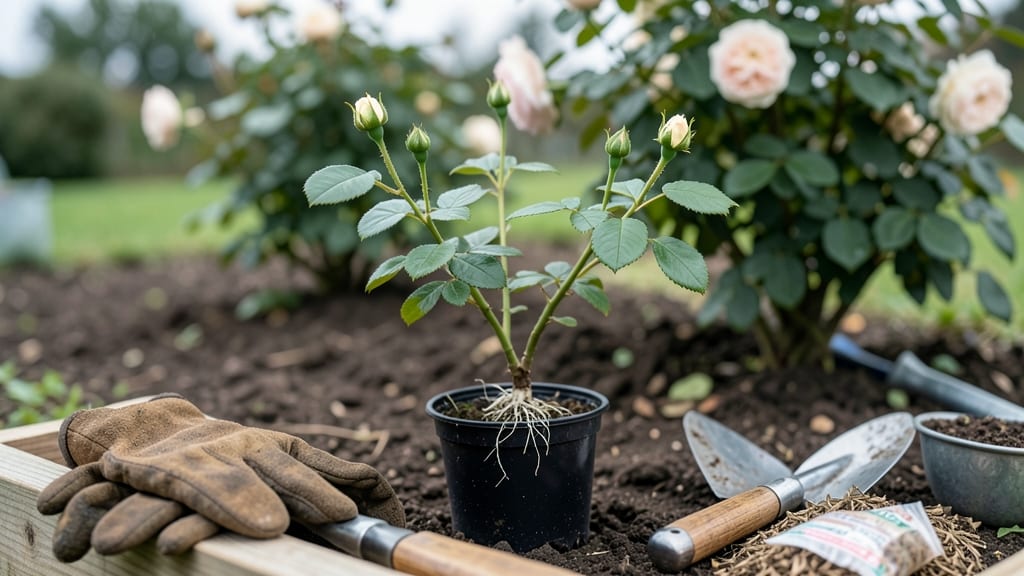
How to get a start off a rose bush feels like unlocking a secret—one that turns a simple cutting into a thriving plant. 🌱 I’ve propagated roses from cuttings for years, and the trick isn’t luck—it’s knowing exactly when to cut, how to root, and what soil to use. Whether you’re starting from a store-bought rose or a neighbor’s bush, this method works every time.
The simplest way is greenwood cuttings in summer, but hardwood cuttings in winter also work. You’ll need sharp pruners, rooting hormone (optional but helpful), and a mix of perlite and peat moss. The key is keeping the cuttings moist but not soggy—too much water drowns them, too little stops rooting.
By late fall, you’ll have rooted cuttings ready to transplant. They’ll grow faster than store-bought roses because they’re already adapted to your climate. Plus, you’ll save money and get varieties you’d never find in nurseries.
This method works for hybrid teas, climbers, and shrub roses alike. Just avoid diseased plants—healthy stock is everything. Let’s get those cuttings rooted!
📚 In This Guide
- What you need
- Instructions
- Tips and common mistakes
- Wrapping up and next steps
What you need
- ● Pruning shears or secateurs: Choose bypass pruners (sharp, clean blades) for clean cuts—avoid anvil pruners, which can crush stems. Size: 6–8 inches (15–20 cm) for medium-sized roses.
- ● Garden gloves: Heavy-duty, cut-resistant gloves (e.g., leather or synthetic blend) to protect hands from thorns and debris.
- ● Disinfectant (70% isopropyl alcohol or bleach solution): 1 part bleach to 9 parts water—sterilize tools between cuts to prevent disease spread.
- ○ Rake or garden fork: For clearing fallen leaves/debris around the bush (optional but helpful for visibility).
- ○ Rose bush starter (optional but recommended): Healthy bare-root rose or potted rose cutting (check for disease-free stems and buds).
- ● Rooting hormone: Powder or gel (e.g., Clonex or Dip ‘N Grow) to boost success rates.
- ● Pruning saw: For thick, woody stems (>½ inch/1.3 cm diameter).
- ● Hose or bucket of water: To rinse tools and refresh cuts.
- ● Garden twine or plant ties: To support new growth if needed.
- ● Compost or mulch: For amending soil after pruning.
- ● Notebook & pen: To sketch the bush’s structure before/after pruning (great for beginners!).
Step-by-step instructions for propagating a rose bush from cuttings
Here's the foolproof method I use to grow new rose bushes from existing ones—no fancy tools needed.
🌱 Step 1: Select and Prepare Healthy Cuttings
Choose 4-5 healthy canes from your rose bush, each about 6-12 inches long with 3-5 leaf nodes. Look for new growth that's pencil-thick and free of diseases or thorns. Use sharp pruners to cut just below a leaf node at a 45-degree angle—this gives the cutting more surface area to absorb water.
Remove all but the top 2-3 leaves, cutting each leaf in half to reduce moisture loss. Strip off any lower leaves that would sit below the soil line. I always work in the morning when the plant is fully hydrated—this ensures the cuttings stay fresh for propagation.
✂️ Step 2: Apply Root Hormone and Plant in Moist Medium
Dip the cut end of each cane in rooting hormone powder to encourage root development. Shake off any excess so it doesn't clump. Fill a small pot (4-6 inches deep) with a mix of half perlite and half potting soil—this provides the perfect balance of drainage and moisture retention.
Make a hole with your finger and insert the cutting about 2-3 inches deep, pressing gently around the base to secure it. Water lightly until the soil feels evenly moist but not soggy. Place the pot in a warm, shaded area—direct sunlight can stress the cuttings before roots form.
💧 Step 3: Maintain Humidity and Monitor Growth
Cover the pot with a clear plastic bag or propagation dome to trap humidity. This mimics the greenhouse environment roses need to root. Check daily and mist the cuttings with water—never let the soil dry out completely, but avoid waterlogging, which causes rot.
After 4-6 weeks, gently tug on the cuttings. If you feel light resistance, roots are forming. Once new growth appears (usually 8-12 weeks), your cuttings are ready to transplant. I like to harden them off first by removing the cover for 1-2 hours daily before full exposure.
☀️ Step 4: Transplant and Care for New Roses
When roots are established and new leaves appear, transplant your cuttings into individual pots with well-draining soil. Keep them in partial shade for the first week to reduce stress. Water deeply once a week, letting the top inch of soil dry between waterings—this prevents overwatering, which is a common killer of young roses.
After 4-6 weeks, your new rose starts will be ready to plant in the garden. Choose a spot with full sun and rich, well-draining soil. Mulch around the base to retain moisture and protect roots. With patience, these cuttings will grow into full, thriving rose bushes in just one season.
Tips & tricks for perfect rose bush propagation
These insider tricks will help you avoid common pitfalls and maximize your success rate with rose cuttings.
Cutting Selection: Focus on canes that are pencil-thick and have a shiny, healthy appearance. I've found that cuttings from the current season's growth (not woody old stems) root most successfully. The 45-degree angle cut is crucial—it increases surface area for water absorption and encourages faster root development. Confession: I skipped this detail for years and wondered why my cuttings kept failing.
Rooting Environment: The perlite-to-soil ratio is non-negotiable for drainage. I've had the best success using a 50/50 mix in 4-6 inch pots—this prevents both drowning and drying out. After planting, give the soil a gentle squeeze—it should hold its shape but not be wet to the touch. Too much moisture is the #1 reason cuttings rot before they root.
Hardening Off Strategy: The 1-2 hour daily exposure you'll do before full transplant is critical for acclimation. I start with just 30 minutes on day one, then gradually increase by 30 minutes each day. This mimics natural conditions and prevents transplant shock. Think of it like sunbathing—you wouldn't go from zero to full sun exposure either!
Transplant Timing: Wait until you see actual new growth (not just root formation) before transplanting to individual pots. I've seen cuttings with roots that never produced leaves—this means they weren't ready for the next stage. The 4-6 week window for garden planting gives you flexibility, but don't rush it—patience here pays off with stronger plants.
Pro Tips for Get A Start Off A Rose Bush
- These insider tricks will help you avoid common pitfalls and maximize your success rate with rose cuttings.
- Cutting Selection: Focus on canes that are pencil-thick and have a shiny, healthy appearance. I've found that cutting...
- Rooting Environment: The perlite-to-soil ratio is non-negotiable for drainage. I've had the best success using a 50/5...
Frequently asked questions
When is the best time to prune a rose bush to start it off right?
The ideal time to prune roses for new growth is late winter or early spring—just before buds swell but before new leaves appear. This timing ensures you remove dead wood while encouraging vigorous spring growth. Avoid pruning in fall, as it can stimulate tender new growth that may not survive winter frost.
How much should I cut back a rose bush when starting it off?
For most rose bushes, aim to cut back one-third to half of the plant’s height, focusing on removing dead, diseased, or crossing branches. For hybrid teas and grandifloras, prune to an outward-facing bud (about ¼ inch above it). Climbing roses need lighter pruning—remove only dead wood and shape for airflow. Never prune more than ⅓ of the plant at once!
Can I prune roses in winter, or will it harm the plant?
Pruning in dormant winter months (Dec–Feb) is fine, but avoid heavy cuts in extreme cold or freezing temps. If you must prune in winter, do it on a mild day (above 40°F) and clean tools with rubbing alcohol to prevent disease spread. Just remember: spring pruning is always better for new growth!
What should I do if my rose bush looks sad after pruning?
If your rose bush looks wilted or stressed post-pruning, it’s likely just shocked by the cut. Water deeply, apply a balanced fertilizer (like 10-10-10), and mulch around the base to retain moisture. Avoid fertilizing right after pruning—wait 4–6 weeks for new growth. If yellow leaves persist, check for pests or nutrient deficiencies (like nitrogen).
Can I start a rose bush from a cutting instead of pruning an existing one?
Rose cuttings are a great way to propagate new plants. Take 4–6 inch cuttings from healthy stems in late spring or summer, dip in rooting hormone, and plant in moist perlite or sand. Keep them warm (70°F) and humid until roots form (4–8 weeks). Just know: Not all roses root easily—hybrid teas and floribundas work best!
Wrapping up and next steps
Starting a rose bush from a cutting might seem tricky, but with the right tools, patience, and a dash of care, you’ll be rewarded with lush, thriving blooms in no time! 🌹 The key is to prune confidently, protect your new plant from pests, and give it the love it deserves.
Whether you’re a beginner or a seasoned gardener, every healthy rose begins with a strong start.
Now that you’re armed with the know-how, roll up your sleeves and get growing! Grab your pruners, pick a sunny spot, and watch your rose bush flourish. Happy gardening! 🌱