
Companion Plants
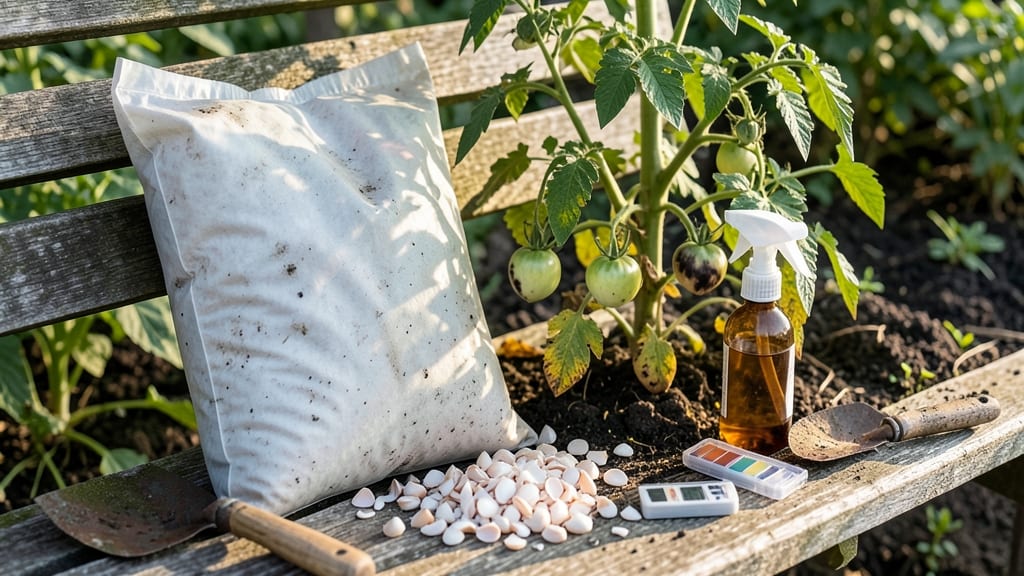
How to give plants calcium—your tomatoes keep splitting open at the bottom, and that’s classic calcium deficiency. Your plants are screaming for help, and crushed eggshells might just be the answer. 🌱 Calcium isn’t just about strong stems; it’s the secret to preventing blossom end rot, keeping leaves from curling, and ensuring your veggies grow right. Most gardeners overlook it until the damage is done.
Plants need calcium for sturdy cell walls, but many soils—especially sandy or acidic ones—don’t provide enough. The fix? Organic sources like eggshells (your kitchen’s hidden nutrient goldmine) or inorganic options like gypsum.
Start by crushing clean, baked eggshells into a fine powder—no need for fancy equipment, just a mortar and pestle or a coffee grinder.
Work the powder into the top 2-3 inches of soil around your plants, especially around tomatoes, peppers, and brassicas. For a quick boost, mix it into compost or sprinkle it on the soil surface before watering.
You’ll see stronger stems and fewer problems with fruit development within weeks. The best part? It’s free, reusable, and works for both containers and in-ground gardens.
Timing matters—apply calcium every 4-6 weeks during the growing season, or whenever you notice new leaves curling or stems becoming weak. Too much? Not a problem—plants can’t overdose on calcium from organic sources. Now go rescue those struggling plants before the next harvest!
📚 In This Guide
- What you need
- Instructions
- Tips and common mistakes
- Wrapping up and next steps
What you need
- ● Eggshells (fresh or dried) – Aim for 1–2 cups (about 20–40 eggshells), depending on your plant’s size. *Pro tip: Save shells from your breakfast or dinner—no waste, just gains! 🌱
- ● Baking sheet or tray – For drying shells (if using fresh ones). Use one that fits your oven safely.
- ● Oven or sunny windowsill – To dry shells thoroughly (300°F/150°C for 10–15 mins or 2–3 days in sunlight).
- ● Blender, food processor, or mortar & pestle – To crush shells into a fine powder. A high-speed blender works best for consistency.
- ● Small container or jar – With a lid (e.g., a mason jar) to store the crushed eggshell powder.
- ● Watering can or spray bottle – For applying the calcium-rich solution to soil or foliage.
- ○ Gloves (optional but recommended) – To avoid tiny shell fragments when crushing.
- ● Epsom salt (magnesium sulfate) – Mix 1 tbsp per gallon of water with eggshell tea for a double nutrient punch! 💪
- ● Compost or worm castings – Amend soil with ½ cup per plant to improve calcium absorption.
- ● pH testing kit – Check soil pH (ideal: 6.0–7.0) to ensure calcium uptake isn’t hindered.
- ● Label maker or sticky note – To mark your eggshell powder jar (e.g., “Calcium Booster – Use within 3 months”).
Tips & tricks for boosting plant health with calcium
Here's what nobody tells you about maximizing calcium absorption in your garden—tricks that'll transform weak stems into sturdy powerhouses.
Sterilization Secret: That 10-minute bake at 200°F isn't just about killing bacteria—it's also about activating the calcium carbonate. The heat helps break down the eggshell structure just enough to make the calcium more bioavailable to your plants. If you're short on time, you can skip the baking and simply rinse the eggshells thoroughly before crushing, but sterilization gives you that extra insurance against soil-borne pathogens.
Timing Secret: The 24-hour steep for liquid calcium might seem long, but this is when the magic happens. Calcium carbonate dissolves slowly, and the warm water helps extract maximum nutrients. Pro tip: Use filtered or rainwater for steeping—chlorinated tap water can inhibit nutrient uptake. For faster results, you can crush the eggshells even finer (almost like flour) to increase surface area and speed up dissolution.
Targeted Application: When treating blossom-end rot on tomatoes, focus your eggshell powder application on the soil around the roots—not the leaves. The calcium needs to move through the plant's vascular system, not sit on the surface. I've found that mixing a pinch of eggshell powder directly into the planting hole when transplanting calcium-hungry plants gives them an instant calcium boost right where they need it most.
Long-Term Strategy: For container gardens, mix a teaspoon of eggshell powder into the potting mix at planting time. The calcium will slowly release as the soil breaks down, providing a steady supply throughout the growing season. This is especially helpful for fast-growing plants like basil and lettuce that deplete soil calcium quickly. Think of it as a slow-release fertilizer for plant structure.
Pro Tips for Give Plants Calcium
- Here's what nobody tells you about maximizing calcium absorption in your garden—tricks that'll transform weak stems i...
- Sterilization Secret: That 10-minute bake at 200°F isn't just about killing bacteria—it's also about activating the c...
- Timing Secret: The 24-hour steep for liquid calcium might seem long, but this is when the magic happens. Calcium carb...
Frequently asked questions
about giving plants calcium—because even the greenest thumbs have questions!Can I overfeed my plants with calcium?
Yes, but it’s rare! Too much calcium can block other nutrients (like magnesium or phosphorus) from absorbing properly. Stick to moderate doses—think of it like a balanced diet for your plants. If you notice yellowing leaves or stunted growth, cut back and flush the soil with water.
How long do eggshells take to break down in soil?
Eggshells decompose quickly—usually 2–6 months, depending on soil conditions. For faster results, crush them into fine powder or bake them to speed up the process. Mix them into the top 2–3 inches of soil where roots actively grow for best absorption.
What are signs my plants need more calcium?
Watch for these red flags:
- Blossom end rot (squishy, dark spots on tomatoes/peppers)
- Yellowing leaves with brown edges (especially in new growth)
- Weak stems that flop or crack easily
- Poor flowering/fruiting despite healthy foliage
Can I use other calcium sources besides eggshells?
Try these easy alternatives:
Crushed oyster shell
Slow-release, great for acidic soils
Wood ash
Use sparingly—it’s high in potassium too!
Calcium nitrate
Fast-acting liquid fertilizer (follow package rates)
Gypsum (calcium sulfate)
Improves soil structure without altering pH
When’s the best time to add calcium to my plants?
Spring and early summer are ideal—when plants are actively growing and setting buds/fruit. For established plants, work crushed shells or amendments into the soil before planting or during transplanting. For container plants, mix calcium sources into fresh potting soil every 3–6 months.
Wrapping up and next steps
Giving your plants the calcium boost they need doesn’t have to be complicated—just a little creativity and consistency! Whether you’re crushing eggshells, using lime, or opting for organic amendments, these methods are simple, budget-friendly, and packed with benefits.
Stronger stems, healthier blooms, and disease-resistant plants are well within reach—your green thumbs are ready for the challenge! 🌱✨
Ready to see the difference? Start small—pick one method from this guide and monitor your plants over the next few weeks. Document their progress (yes, plant journaling is a thing!) and adjust as needed.
Before you know it, your garden will be thriving, and you’ll be the neighborhood’s go-to plant whisperer. Happy growing! 🌿💚