
Propagation
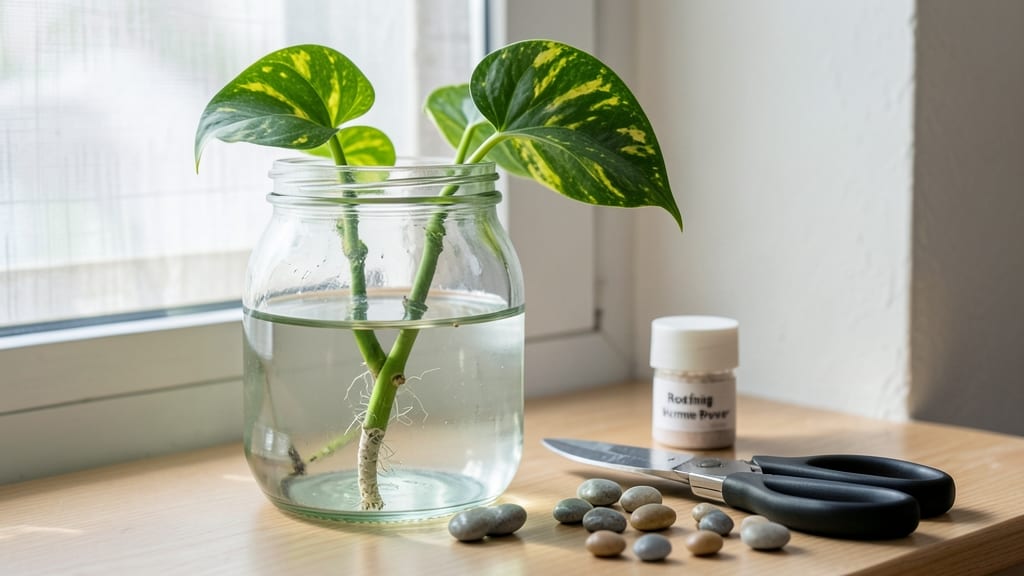
How to grow plants from cuttings in water—three weeks to new plants with just a glass of water and a little patience. 🌱 I’ve turned scraps of pothos, mint, and coleus into thriving plants this way—no fancy equipment, no soil mess, just roots growing right before your eyes. The secret? Picking the right stems, using the perfect water mix, and keeping things just damp enough.
Start with healthy stems that have at least two leaves and a node (that little bump where leaves grow). Place them in clean water—tap water works, but filtered is better—and watch for roots in about 10-14 days.
The key is changing the water every 3-5 days to keep it fresh and oxygenated. Too much light? The water can get cloudy. Too little? Roots grow slow. Balance is everything.
By week three, you’ll have a network of white roots ready to transplant. The best part? These babies thrive when moved to soil, often growing faster than store-bought plants.
I’ve rooted pothos, mint, and coleus this way, and they’ve outpaced anything I’ve ever bought. The satisfaction of growing a whole new plant from a single cutting? Unmatched.
Works for beginners, small spaces, and even apartment windowsills. No soil, no stress—just science and patience. Ready to turn your cuttings into a jungle? Let’s get growing.
📚 In This Guide
- What you need
- Instructions
- Tips and common mistakes
- Wrapping up and next steps
What you need
- ● Healthy plant cuttings: 3–6 inches long, with at least 2–3 leaf nodes (the bumps where leaves grow). Choose non-flowering stems for best results.
- ● Clean, sharp scissors or pruning shears: Disinfect with rubbing alcohol to prevent disease. Avoid tearing stems!
- ● Clear glass or jar: Any size (8–16 oz works great), but wider containers allow more cuttings. Pro tip: 💡 Use a mason jar for easy monitoring!
- ● Room-temperature water: Tap water is fine, but avoid distilled or softened water (lacks minerals). Let it sit out for 24 hours to release chlorine if needed.
- ○ Rooting hormone: Powder or gel to speed up root growth (optional but handy for tricky plants like succulents).
- ● Small pebbles or charcoal: Add 1–2 tbsp to the water to prevent bacterial growth and keep cuttings upright.
- ● Plant labels: Write the plant name and date on a popsicle stick or tag for tracking.
- ● Grow lights or sunny windowsill: Bright, indirect light (6+ hours/day) boosts success rates.
Step-by-step instructions for growing plants from cuttings in water
Here's how to turn stem cuttings into thriving new plants in just three weeks.
🌱 Step 1: Select and Prepare Healthy Cuttings
Choose stems that are 4-6 inches long with at least 3-4 leaf nodes—these are the little bumps where roots will emerge. Use clean, sharp scissors or pruners to make a clean cut just below a node at a 45-degree angle. This increases surface area for root growth and prevents the cutting from sitting flat in the water.
Remove any leaves from the bottom third of the stem, but leave the top leaves intact. Too many leaves will draw energy from the cutting before roots even form. Place the cuttings in a glass or jar of room-temperature water within 24 hours—delaying this step slows root development.
💧 Step 2: Position Cuttings for Optimal Root Growth
Fill your container with enough water to cover 1-2 inches of the stem, but no more. Submerging too much of the cutting can cause rot before roots form. Position the cuttings so they don’t touch each other or the sides of the container—crowding reduces airflow and invites bacterial growth.
Place the container in bright, indirect light (like a east-facing window). Direct sunlight can overheat the water and stress the cuttings. You’ll see tiny white or yellow bumps appear at the nodes within 7-10 days—these are the first signs of root formation. Change the water every 3-4 days to prevent algae buildup and keep it fresh.
⏰ Step 3: Monitor and Encourage Root Development
After 10-14 days, roots should be 1-2 inches long. If they’re growing slowly, increase light exposure gradually (move closer to a window or use a grow light for 12 hours daily). Avoid drafts—roots need stable conditions to thicken and strengthen.
Once roots reach 2-3 inches, it’s time to transplant. Gently rinse off any algae from the roots and plant the cutting in moist potting mix to help it adjust to soil conditions. Water lightly and keep the soil consistently moist for the first week—this prevents transplant shock.
☀️ Step 4: Transition to Soil and Maintain New Growth
After transplanting, place the new plant in bright, indirect light for 3-5 days before introducing it to full sun. You’ll notice new leaves forming within 2-3 weeks—this signals the cutting has successfully established itself.
Keep the soil evenly moist but not soggy (stick your finger in—if the top inch feels dry, water it). Avoid fertilizing for the first 4-6 weeks—new roots are sensitive to nutrients and can burn easily. Once the plant shows steady growth, you can introduce a balanced fertilizer every 4-6 weeks.
Tips & tricks for perfect plant propagation in water
Here's what I learned after propagating dozens of cuttings—these tricks make all the difference between success and disappointment.
Cutting Selection: Look for stems that are half-hardened—not too soft, not too woody. New growth at the tips often roots fastest. I've found that morning cuttings (taken just after dew dries) have the best success rate because they're fully hydrated. If you're working with woody plants like olive trees, use a heat gun to soften the ends slightly before placing in water—this helps break dormancy.
Water Quality Matters: Tap water often contains chlorine that can inhibit root growth. Let your water sit out uncovered for 24 hours before using to allow chlorine to evaporate. I've had the best results with room-temperature distilled water or rainwater. Avoid using water that's been sitting for more than a week—it can develop harmful bacteria.
Root Growth Accelerator: Once you see those first white bumps at the nodes (around 7-10 days), add a natural rooting hormone like willow water or cinnamon powder to the water. I make willow water by soaking willow branches in water for 24 hours. This can speed up root development by up to 30%. Just be sure to change the water after adding these supplements.
Transplanting Timing: Wait until roots reach 2-3 inches before transplanting—this gives them enough strength to handle the soil transition. I've found that transplanting in the early evening reduces stress on the plant. After transplanting, place a clear plastic bag over the new plant to create a mini greenhouse effect for the first 3-5 days. This helps maintain humidity while the plant adjusts.
Pro Tips for Grow Plants From Cuttings In Water
- Here's what I learned after propagating dozens of cuttings—these tricks make all the difference between success and disappointment.
- Cutting Selection: Look for stems that are half-hardened—not too soft, not too woody.
- Water Quality Matters: Tap water often contains chlorine that can inhibit root growth.
Frequently asked questions
Got questions?
Here are some of the most common ones about growing plants from cuttings in water—plus quick, actionable answers to keep your propagation journey smooth!
How do I know if my cutting is ready to root in water?
Your cutting is ready when it has 3-5 healthy leaves and at least 1-2 nodes (those little bumps where roots sprout). Avoid overwatered, mushy stems—firmness is key! Place the cutting in water immediately after trimming (at a 45-degree angle) to speed up rooting.
How long does it take for roots to grow in water?
Most cuttings develop roots in 2-3 weeks, but some (like mint or pothos) may sprout roots in just 7-10 days. Patience is key—keep the water 1-2 inches deep and change it every 3-5 days to prevent bacteria.
Why are my cuttings rotting in water?
Rotting usually means too much water or bacteria buildup. Fix it by:
- Using filtered or distilled water (tap water can add chlorine/chemicals).
- Trimming the cutting just below a node to avoid decay.
- Adding 1 aspirin (crushed) or cinnamon to the water to boost rooting and fight bacteria.
Can I grow any plant from cuttings in water?
Not all plants thrive in water! Best candidates: pothos, mint, coleus, and snake plants. Avoid: woody plants (like roses) or succulents—they rot easily. Check if your plant is non-woody and semi-hardy before diving in.
When should I transplant my cutting from water to soil?
Once roots reach 1-2 inches long, it’s time to transplant! Gently rinse off roots, pot in well-draining soil, and water lightly. Don’t fertilize yet—let the plant adjust for 1-2 weeks.
What if my cutting isn’t growing roots?
Try these fixes:
- Check light: Place near bright, indirect light (no direct sun).
- Adjust water: Use room-temp water (not cold) and change it weekly.
- Try rooting hormone (optional) for stubborn plants.
- Wait longer—some slow growers (like orchids) take 4-6 weeks.
Wrapping up and next steps
Growing plants from cuttings in water is a rewarding and beginner-friendly way to propagate your favorite greenery—no soil or fancy tools required! 🌱 With just a few simple steps, you can watch roots sprout in as little as 3 weeks, giving you lush new plants to nurture.
Whether you're reviving a wilted cutting or expanding your indoor garden, this method proves that patience and a little water can work wonders.
Ready to take the next step? Once your cuttings have strong roots, transplant them into soil to help them thrive as independent plants. Happy growing! 🌿