
Size
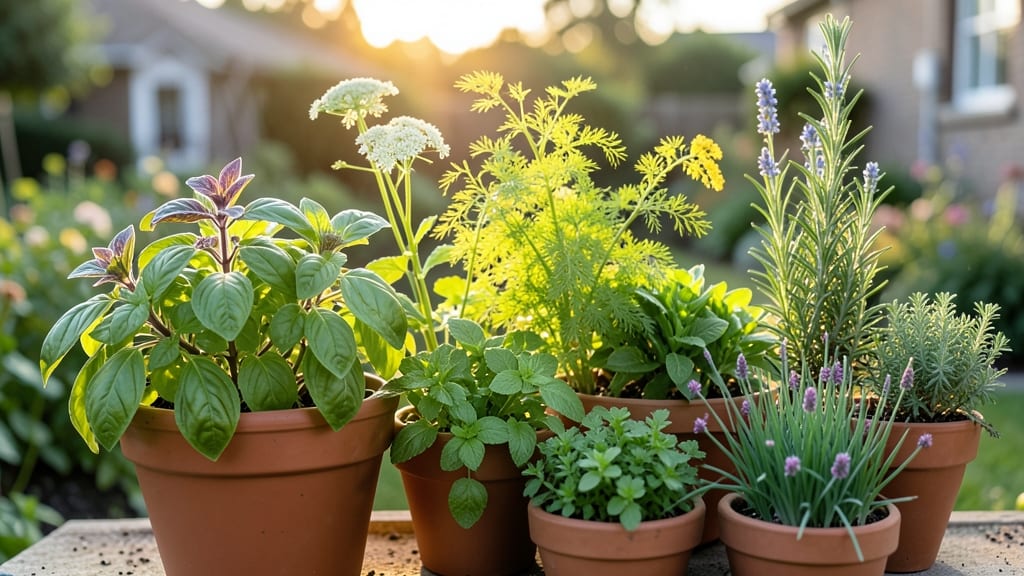
How to grow spices fresh basil, snappy cilantro, and fragrant rosemary just steps from your kitchen. 🌿 Growing spices at home isn't just possible—it's easier than you think, especially when you start with containers. I've grown every culinary herb you can imagine, and these five staples are the ones that actually thrive on my crowded patio.
The secret lies in matching each plant to its perfect conditions: basil loves heat and humidity, rosemary thrives in dry soil, and mint needs consistent moisture. You don't need fancy equipment—just the right pots, well-draining soil, and a sunny spot.
Most herbs grow from seeds or transplants, and you can harvest within 4-8 weeks if you keep them happy.
Imagine snipping fresh basil for pesto while it's still warm from the sun, or crushing mint leaves straight from your windowsill. The flavor difference is night-and-day compared to store-bought, and you'll save money while avoiding those sad, wilted herb bundles.
Even my black thumb can't kill these plants once I figured out their quirks.
Container gardening makes it simple to grow spices anywhere—balconies, patios, or sunny windowsills. The key is proper spacing, regular pruning, and knowing when to harvest. Let's get your kitchen garden growing!
📚 In This Guide
- What you need
- Instructions
- Tips and common mistakes
- Wrapping up and next steps
What you need
- ● Containers: 6–12-inch pots (or fabric grow bags) with drainage holes. 1–2 containers per spice plant (e.g., 1 for basil, 1 for cilantro).
- ● Potting Soil: Well-draining, organic mix (e.g., Miracle-Gro Potting Mix or FoxFarm Ocean Forest). 1–2 gallons per container.
- ● Seeds or Seedlings: Seeds: High-quality, organic seeds (e.g., Baker Creek Heirloom or True Leaf Market). 3–5 seeds per container (thin to 1–2 strongest plants).
- ● Seedlings: Young plants from nurseries (e.g., Home Depot or local farms). 1 per container.
- ● Watering Can or Spray Bottle: For gentle hydration (avoid overwatering!).
- ● Fertilizer: Balanced liquid fertilizer (e.g., Fish Emulsion or Seaweed Extract). Dilute to half-strength and apply every 2–4 weeks.
- ● Pruning Shears: For trimming leggy plants (e.g., Fiskars bypass pruners).
- ● Grow Lights: LED full-spectrum bulbs (e.g., Samsung LM300 Series) for indoor setups. 12–16 hours/day.
- ● Trellis or Cage: For vining spices like basil or mint (e.g., Bamboo stakes or Tomato cages).
- ● pH Test Kit: To monitor soil acidity (ideal range: 6.0–7.0 for most spices).
- ○ Mulch: Straw or shredded leaves to retain moisture (optional for warm climates).
- ● Location: Sunny spot (6+ hours of direct light daily). South-facing windows or balconies work best.
- ● Climate Control: Consistent temps between 65–80°F (18–27°C). Use a heat mat for indoor setups in winter.
- ● Patience: Most spices take 4–8 weeks to harvest after germination!
Step-by-Step instructions for growing spices in containers
Here’s how to grow bold flavors right on your patio—no greenhouse needed.
🌱 Step 1: Select the Right Spice Plants for Your Climate
Start with 4 easy-to-grow container spices: basil, cilantro, mint, and chives. Basil thrives in full sun (6+ hours) and warm soil (65°F+)—perfect for summer patios. Cilantro prefers cooler weather (50-75°F) and partial shade in hot afternoons. Mint grows aggressively in shade to partial sun and loves consistent moisture. Chives tolerate full sun to partial shade and even light frosts.
Check your last frost date—most spices need warm soil before planting. If your spring is slow to warm, start basil and chives indoors 4-6 weeks before transplanting. Cilantro and mint can go straight into containers once night temps stay above 50°F. I always plant mine after Memorial Day to avoid cold snaps.
🪴 Step 2: Choose Containers and Soil for Optimal Growth
Use one 12-inch pot per plant (or 16-inch pots for mint—it spreads fast). Ensure pots have drainage holes (no soggy roots!). Fill with a lightweight potting mix (not garden soil) blended with 20% perlite for drainage. Spices hate compacted soil—fluffy mix prevents root rot and keeps them happy.
Add a slow-release fertilizer (like 10-10-10) mixed into the soil at planting. This gives your spices a steady nutrient boost without frequent feeding. Water the mix until it’s evenly moist but not soggy—you should see water trickle from the drainage holes. Let it drain completely before planting.
☀️ Step 3: Plant and Position for Sunlight Needs
Dig a hole twice as wide as the root ball but no deeper. Gently remove plants from their nursery pots and place them in the holes, spacing 6 inches apart in larger pots. Basil and chives need full sun, so place them on a south-facing patio. Cilantro and mint prefer morning sun and afternoon shade—move them under a light shade cloth if temps hit 85°F+. I use a small trellis for basil to keep leaves off hot pavement.
Water deeply after planting to settle the soil around roots. The top inch should feel damp but not wet. Mulch with 1 inch of straw to retain moisture and keep roots cool. Watch for yellowing leaves—this signals overwatering (spices hate wet feet) or underwatering (soil pulling away from pot edges).
💧 Step 4: Water and Feed for Maximum Flavor
Water when the top inch of soil feels dry (stick your finger in—if it’s bone-dry, it’s time). Basil and chives need moderate moisture, while mint and cilantro prefer consistently damp soil. Avoid wetting leaves (especially basil) to prevent fungal diseases like powdery mildew. Water at the base in the morning so foliage dries quickly.
Feed every 4-6 weeks with a balanced liquid fertilizer (half-strength). Spices are light feeders—too much nitrogen makes them leafy but flavorless. Harvest regularly (basil: pinch leaves; cilantro: snip stems) to encourage bushier, more flavorful growth. I harvest basil 2-3 times a week—it keeps the plant productive and prevents bolting.
✂️ Step 5: Harvest and Overwinter (If Possible)
Harvest basil just before flowers form (when leaves are 3-4 inches tall) for peak flavor. Snip cilantro stems from the bottom up to encourage new growth. Chives and mint can be cut back hard—they’ll regrow quickly. Never take more than ⅓ of the plant at once, or you’ll stunt growth.
Most spices are annuals in cold climates, but mint and chives are perennial. Overwinter mint by moving it to a cool garage (40-50°F) with minimal light. Chives can stay in pots on a frost-free porch. Basil and cilantro won’t survive winter—start fresh next spring. I always take cuttings of my best mint plants in fall to propagate for the next year.
Tips & tricks for growing spices in containers
Want to grow your own kitchen spices without the hassle? These simple tricks will help you avoid common pitfalls and maximize your container garden's potential.
Container Selection: If you're short on space, consider vertical gardening with hanging pots or wall-mounted planters. Just ensure they still meet the 8-12 inch depth requirement—shallow containers will stunt root growth. For herbs like rosemary that spread wider, choose wider (not just deeper) pots to accommodate their growth pattern.
Soil Mix Matters: The potting soil and perlite mix in Step 1 is crucial—don't skip the perlite! I've found that adding 10% coconut coir to the mix improves moisture retention for thirsty herbs like basil without causing soggy roots. For Mediterranean herbs like thyme and oregano, you can increase the perlite to 20% for even better drainage.
Lighting Solutions: If your space only gets 4-5 hours of sunlight, supplement with a full-spectrum LED grow light placed 6-12 inches above the plants. I use a timer for 12-14 hours daily to mimic natural daylight cycles. Position the light so it covers all plants evenly—uneven lighting causes lopsided growth.
Harvesting Strategy: For continuous harvests, don't wait until the plant reaches 6 inches to pinch basil—start when it hits 4 inches. This encourages more branching and gives you smaller, more tender leaves. For woody herbs like rosemary, harvest sprigs rather than individual leaves to promote bushier growth. Always harvest in the morning when essential oils are at their peak concentration.
Pro Tips for Grow Spices
- Want to grow your own kitchen spices without the hassle?
- Container Selection: If you're short on space, consider vertical gardening with hanging pots or wall-mounted planters.
- Soil Mix Matters: The potting soil and perlite mix in Step 1 is crucial—don't skip the perlite!
Frequently asked questions
Got questions about growing your own spices?
You’re not alone! Here are answers to the most common queries to help you cultivate a thriving kitchen garden—no green thumb required.
How long does it take for spices like basil or cilantro to grow?
Most herbs and spices are fast growers! Basil and cilantro typically sprout within 7–14 days and reach harvestable size in 4–6 weeks. Dwarf varieties (like Thai basil) may mature even sooner. Patience pays off—harvesting early encourages bushier growth!
Can I grow spices indoors year-round?
Many spices thrive indoors with 4–6 hours of sunlight daily (a sunny windowsill or grow light works). Hardy choices like oregano, thyme, or mint tolerate lower light better than sun-lovers like chili peppers or bay leaves. Just ensure pots have drainage to avoid soggy roots!
What if my spice plants wilt or turn yellow?
Wilting or yellowing usually signals overwatering, underwatering, or poor drainage. Let soil dry slightly between waterings (stick your finger in—top inch should feel dry). Yellow leaves? Check for nutrient deficiencies (use a balanced fertilizer) or pests (inspect undersides for bugs). Most herbs bounce back quickly!
Are there easy-to-grow spices for beginners?
Start with these low-maintenance superstars:
- Basil: Loves warmth, harvest leaves to encourage growth.
- Cilantro: Fast-growing but bolts in heat—sow seeds every 2 weeks.
- Mint: Hardy and invasive (grow in containers!).
- Chives: Cold-tolerant and regrow after cutting.
Do spices need special care in hot or cold climates?
Most herbs handle heat well (keep soil moist) but struggle with extreme cold. Move tender plants (like basil) indoors if temps drop below 40°F (4°C). In hot climates, provide afternoon shade to prevent wilting. Perennial herbs (thyme, rosemary) are tougher and often survive winters with mulch!
Pro Tip:
Rotate your containers every few weeks to ensure even sunlight exposure—this prevents leggy, weak plants and keeps your spice garden lush and productive!
Wrapping up and next steps
Growing your own spices is a rewarding journey that brings fresh, vibrant flavors straight to your kitchen—no matter how small your space! With the right containers, sunlight, and care, you can cultivate a thriving herb garden that enhances your cooking and connects you to nature.
Start small, experiment with a few favorites, and soon, you’ll be harvesting aromatic basil, fiery chili peppers, or earthy cumin right at home.
Ready to take the next step? Pick one or two spices to start, gather your supplies, and begin your green-thumb adventure today! 🌱✨