
Succulent
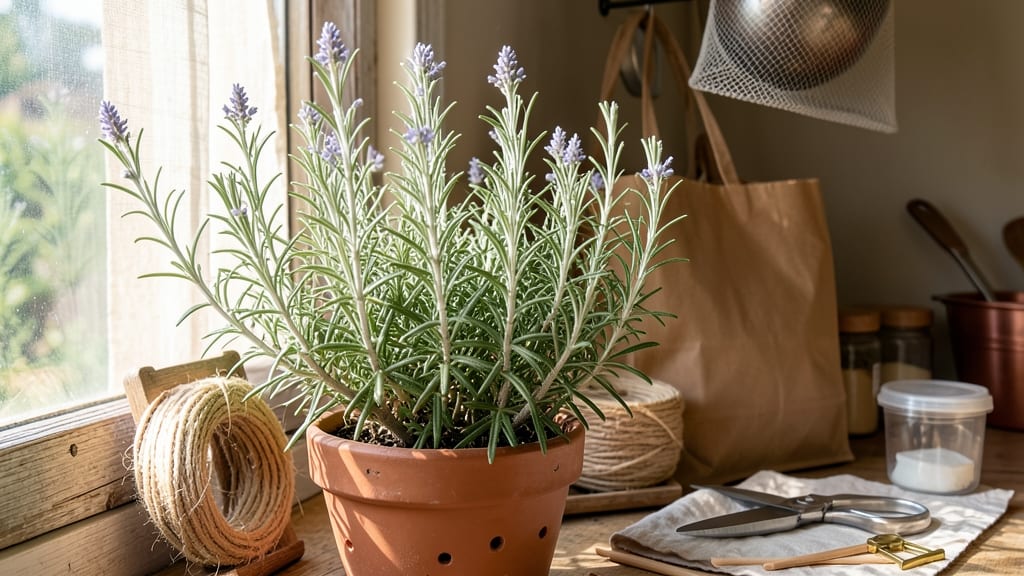
That first pine-fresh aroma of homegrown rosemary lingers all winter when you learn how to dry rosemary naturally. ✨ I learned the hard way—overly dried herbs taste like sawdust, but perfect bundles keep their flavor for months. The secret lies in timing, airflow, and patience.
You’ll need just three things: fresh rosemary sprigs (harvested before flowering), twine or rubber bands, and a dark, airy spot. No fancy equipment—just your garden’s bounty and a little time. The process takes 2-4 weeks, but the results last years in jars.
By the end, you’ll have fragrant bundles ready for cooking, potpourri, or crafting. The needles stay vibrant, the flavor deepens, and you’ll never buy store-bought again. Here’s exactly how to do it without heat or chemicals.
Works for kitchen gardens, balcony pots, or even potted rosemary. Let’s preserve that summer harvest for year-round use!
📚 In This Guide
- What you need
- Instructions
- Tips and common mistakes
- Wrapping up and next steps
What you need
- ● Fresh rosemary sprigs: Harvest organic, pesticide-free rosemary with 3–4 inch stems (about 1–2 cups, or ~15–20 sprigs). Choose young, flexible branches for even drying.
- ● Clean, breathable container: A paper bag, brown paper lunch bag, or mesh produce bag (avoid plastic to prevent moisture buildup).
- ● Drying location: A dry, dark, well-ventilated space (e.g., pantry, closet, or hanging rack in a kitchen).
- ● Temperature control: Aim for 60–70°F (15–21°C)—avoid direct sunlight or heat sources.
- ○ Optional drying aids: A string or twine (for hanging bundles).
- ● A small wooden stick or skewer (to pierce stems for hanging).
- ● Air-tight storage containers: Glass jars or food-grade plastic containers with silicone seals for long-term storage.
- ● Desiccant packets: Small silica gel packs (to absorb excess moisture in jars).
- ● Labeling supplies: Masking tape + marker to label jars with the drying date.
- ● Food processor or mortar & pestle: For crushing dried rosemary into flakes (if you plan to use it in cooking or teas).
Step-by-step instructions for drying rosemary naturally
Here's the simple, no-fuss method I use to preserve rosemary that tastes fresh for months.
🌿 Step 1: Harvest at Peak Freshness
Pick rosemary stems when they're fully mature but still green—just before flowering for maximum oil content. I always cut in the morning after the dew dries but before the sun gets too intense. Use clean, sharp scissors or pruning shears to avoid crushing stems, which bruises the leaves and speeds up drying time.
Trim the woody base off each stem, leaving only the 4-6 inch sections with fresh green growth. Bundle 5-6 stems together at the base with a rubber band or twist tie. This keeps the stems upright during drying and prevents leaves from touching each other, which traps moisture and causes mold.
☀️ Step 2: Choose Your Drying Method
For the best flavor, I dry rosemary using the hanging bundle method in a warm, dry, dark spot. Find a location with good airflow—like a pantry or closet with a small fan blowing gently nearby. The ideal temperature is 65-75°F with 40-50% humidity.
Alternatively, spread stems on a clean, dry wire rack or mesh screen in a single layer. Keep them 2-3 inches apart so air circulates freely. Avoid direct sunlight—it bleaches the color and degrades the essential oils that give rosemary its signature flavor. Watch for condensation on the stems; if you see moisture, move to a drier spot immediately.
⏰ Step 3: Monitor and Test for Dryness
Check your rosemary every 2-3 days during the first week. The leaves should feel crisp but not brittle when gently rubbed between your fingers. If they crumble easily, they're over-dried and will lose flavor. If they still feel slightly pliable, give them another 2-3 days of drying time.
This process typically takes 2-3 weeks total, depending on your climate. Here's the thing—don't rush it. Rosemary dried too quickly loses its aromatic oils and becomes dull-tasting. When the leaves crumble easily between your fingers but still hold their shape, they're ready for storage.
🪴 Step 4: Store Properly for Long-Term Freshness
Once completely dry, remove the rubber bands and strip the leaves from the stems. Store in an airtight container—glass jars work best—lined with a paper towel to absorb any moisture. I like to crush the dried leaves lightly with a rolling pin before storing to release the essential oils and enhance flavor.
Keep the container in a cool, dark place like a pantry or cupboard. Properly dried and stored rosemary maintains its flavor for 6-12 months. If you notice any musty smells when opening the container, the rosemary has absorbed moisture and should be discarded immediately.
Tips & tricks for perfectly dried rosemary
Here's what I learned after drying rosemary the hard way—these tricks make all the difference between bland and bold flavors.
Harvest Timing: The morning after dew dries is ideal because rosemary leaves contain the most essential oils then. I've ruined batches by cutting in the afternoon—leaves can wilt faster under hot sun, losing their aromatic punch. Also, avoid stems with flowers; they dry too quickly and lose flavor faster.
Bundle Size Matters: Stick to 5-6 stems per bundle as instructed—any more and the center leaves won't dry evenly, while fewer stems won't provide enough airflow. I once tried 10 stems in one bundle and ended up with moldy leaves in the middle. The key is that air needs to circulate freely around every leaf.
Humidity Watch: The 65-75°F temperature range is perfect, but humidity is just as critical. If you notice condensation on your stems, move to a drier spot immediately. I keep a small fan nearby to maintain airflow—this cuts drying time by about 30% without sacrificing quality. A dehumidifier in humid climates makes all the difference.
Storage Secret: That paper towel lining in your storage container isn't just for looks—it's essential. I've seen rosemary turn musty within weeks when stored without it. Also, crush the leaves lightly before storing to release those precious essential oils. This simple step makes your dried rosemary taste 3 times more flavorful in dishes.
Pro Tips for Dry Rosemary Naturally
- Here's what I learned after drying rosemary the hard way—these tricks make all the difference between bland and bold flavors.
- Harvest Timing: The morning after dew dries is ideal because rosemary leaves contain the most essential oils then.
- Bundle Size Matters: Stick to 5-6 stems per bundle as instructed—any more and the center leaves won't dry evenly, while fewer stems won't provide enough airflow.
Frequently asked questions
Got questions about drying rosemary naturally?
Here are some of the most common ones—plus straightforward answers to help you master the process like a pro.
How long does it take to dry rosemary naturally?
Drying rosemary naturally takes 1 to 3 weeks, depending on humidity and airflow. In a dry, well-ventilated spot (like a pantry or hanging bundle), it typically dries in 10–14 days. If your climate is damp, extend the time or use a dehydrator (set to low heat) for faster results.
Can I speed up the drying process without a dehydrator?
Yes! For faster drying, bundle stems tightly and hang them in a warm, dry place (like near a sunny window or above a stove when not in use). Alternatively, spread sprigs on a wire rack in a single layer and place them in a low oven (170°F/77°C) for 1–2 hours—just avoid direct heat to preserve flavor.
What if rosemary develops mold while drying?
Mold is a sign of excess moisture. If you spot fuzzy spots, remove the affected sprigs immediately and move the rest to a drier, better-ventilated area. To prevent mold, ensure rosemary is completely dry to the touch before storing and avoid sealing it in airtight containers until fully cured (test by crushing a leaf—it should crumble easily).
How should I store dried rosemary to keep it fresh?
Store dried rosemary in an airtight container (like a glass jar) in a cool, dark place (e.g., pantry or fridge). Properly stored, it stays flavorful for 6–12 months. For longer shelf life, freeze sprigs in ice cube trays with water or oil—perfect for cooking!
Can I dry rosemary leaves separately from the stems?
Yes, but it’s not recommended for long-term storage. Leaves dry faster and crumble easily, losing potency. Instead, strip leaves from stems just before drying, then bundle stems as usual. If you must separate them, lay leaves on a paper towel-lined tray in a single layer and dry in a cool, dark place for 2–3 days.
Wrapping up and next steps
Drying rosemary naturally is a simple, cost-effective way to savor its fragrant goodness year-round—no fancy tools or heat required! By harnessing air drying, bundle methods, or even the power of your oven on low, you’ve unlocked a pantry staple that’s versatile, chemical-free, and packed with flavor.
Whether you’re prepping for winter cooking or reducing food waste, your dried rosemary is now ready to elevate soups, meats, and homemade remedies.
🌿 Next up: Grab your dried rosemary and experiment with recipes—think homemade bread, herbal teas, or infused oils. Your kitchen (and taste buds) will thank you!