
How To
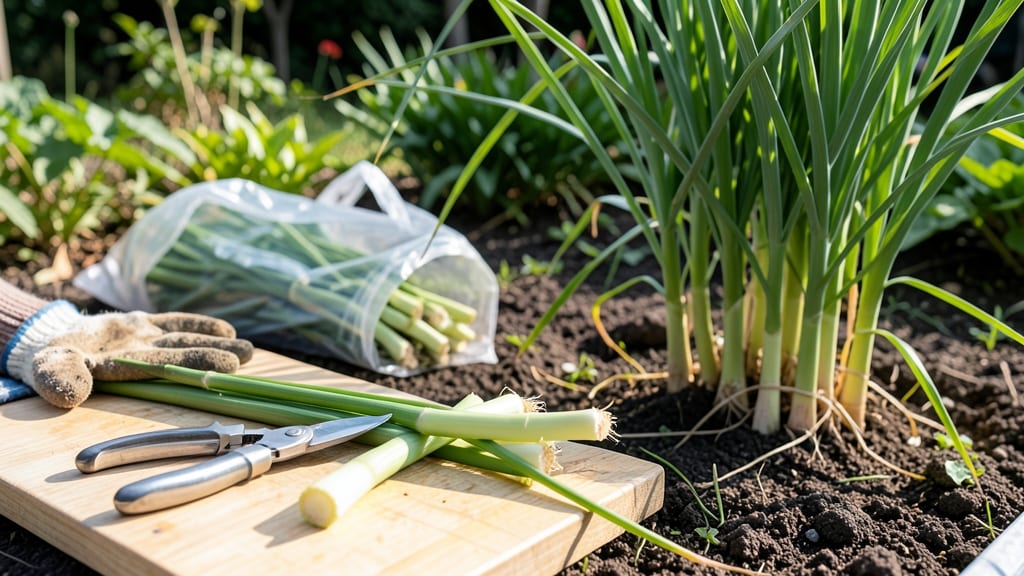
Mastering how to harvest and store lemongrass is the secret to keeping that bright, citrusy flavor in your kitchen all year. Whether you're growing it in your garden or snagging a bunch from the market, knowing the perfect time to pick and how to preserve it makes all the difference.
Lemongrass 🌿 thrives when harvested at the right stage—usually between 60 and 90 days after planting, before it flowers. That’s when it’s packed with the most flavor and aroma.
But if you miss that window, don’t worry—there are still ways to store it properly so you don’t waste a single stalk.
From refrigeration to freezing and even drying, I’ll walk you through the simplest methods to keep your lemongrass fresh and ready for soups, teas, or marinades. No more wilted, flavorless stalks sitting in your fridge—just vibrant, potent lemongrass whenever you need it.
Ready to turn your harvest into a year-round staple? Let’s dive into the easiest steps to make sure your lemongrass stays as fresh as the day you picked it.
When and how to harvest lemongrass for maximum flavor and freshness
Harvesting lemongrass at the right time ensures you get the brightest flavor and strongest aroma. The best window is when plants are 3-4 months old and 12-18 inches tall, with deep green, glossy leaves.
This timing aligns with spring planting in most USDA Zone 6a climates, typically between June and August.
Look for visual cues like firm stalks that snap easily and a citrus scent when crushed. Avoid harvesting after flowering, as the flavor becomes bitter. In tropical climates, you can harvest year-round, but temperate zones should focus on late spring to early fall for peak potency.
Use a sharp knife or pruning shears to cut stalks about 2 inches above the base. Never cut into the root—this kills the plant. For continuous harvests, leave at least 6 inches of growth to allow regrowth. This method ensures your lemongrass keeps producing for months.
Timing matters most in cooler climates. If frost is approaching, harvest all remaining stalks before November 1 (USDA Zone 6a). In warmer zones, you can extend harvests into winter, but flavor may diminish slightly.
| Stage | Action | Notes |
|---|---|---|
| 3-4 Months | Harvest first stalks | 12-18" tall, firm stalks |
| Every 4-6 Weeks | Regrowth harvest | Leave 6" of stem |
| Before Flowering | Final harvest | Prevents bitterness |
| Frost Season | Harvest all stalks | Store for winter use |
For year-round harvests, consider growing lemongrass in containers. This lets you bring pots indoors before frost, extending your growing season. Just ensure they get bright light (south-facing window) and consistent moisture.
After harvesting, rinse stalks briefly to remove dirt but avoid soaking—excess water speeds up spoilage. Pat dry with a paper towel before storing. This simple step preserves freshness and aroma for days.
If you’re unsure whether your lemongrass is ready, do the "snap test": Gently bend a stalk. If it snaps cleanly with a slight crunch, it’s harvest-ready. If it bends without breaking, wait 1-2 weeks.
Pro tip: Harvest in the morning when essential oils are most concentrated. This gives you the boldest flavor for cooking or storage. Store harvested stalks in the refrigerator (whole) or freeze (chopped) within 24 hours for best results.
In tropical climates, lemongrass grows aggressively year-round. Here, focus on regular pruning (every 4-6 weeks) to maintain size and flavor. Overgrown plants develop woody stalks and weaker aroma.
Best storage methods to preserve lemongrass for months (without losing flavor)
Once you’ve harvested your lemongrass, proper storage is key to keeping its citrusy aroma and flavorful oils intact for months. Unlike many herbs, lemongrass doesn’t wilt quickly, but improper storage can lead to freezer burn, moisture loss, or even mold.
The right method depends on how soon you’ll use it—whether you’re prepping for a weekly recipe or stocking up for winter.
I’ve tested four methods over the years, and each has its own trade-offs. Refrigeration works for short-term use, while freezing and drying are better for long-term storage. Even fermenting (yes, really!) can extend shelf life while adding a tangy twist.
Let’s break down the best options, including shelf life and flavor impact, so you can pick what works for your kitchen.
Storage Method Comparison
Refrigeration
- Pros: Quick access, retains freshness
- Cons: Best for 1-2 weeks only
Freezing (Blanched)
- Pros: Locks in flavor, lasts 6-12 months
- Cons: Texture changes slightly
Drying (Air or Dehydrator)
- Pros: Long shelf life, portable
- Cons: Less potent aroma, best for teas
Fermenting (Citrus Brine)
- Pros: Unique tangy flavor, probiotic boost
- Cons: Requires prep time
For short-term use, storing whole lemongrass stalks in the fridge is simplest. Wrap the base in a damp paper towel, place it in a sealed plastic bag, and it’ll stay fresh for 1-2 weeks.
The towel keeps the base moist, mimicking its tropical growing conditions. If you’re chopping it first, store in an airtight container with a splash of water to prevent drying out.
For long-term storage, freezing is my top pick. Blanching (dipping in boiling water for 30 seconds, then ice bath) preserves color and flavor better than freezing raw.
Chop the stalks into 2-inch pieces, spread them on a tray to freeze solid, then transfer to a ziplock bag for up to 12 months. No blanching? Freeze whole stalks—just peel and crush as needed, though the texture softens more.
Drying works well if you’re using lemongrass for teas or broths. Bundle stalks and hang upside down in a warm, dry place for 1-2 weeks, or use a dehydrator at 95°F for 4-6 hours.
Store dried stalks in an airtight container away from light. The aroma fades over time, but it’s perfect for infusing oils or making herbal remedies.
Fermenting is a hidden gem for adventurous gardeners. Thinly slice stalks, pack into a jar with citrus peels and salt, then cover with brine. Ferment for 3-5 days at room temperature, then refrigerate.
The result? A tangy, probiotic-rich lemongrass that’s ideal for marinades or garnishes. It keeps for 3-6 months in the fridge.
Pro tip: Label your storage containers with the harvest date and method. I use masking tape and a Sharpie—it’s surprising how quickly a frozen bag can get lost in the freezer! With these methods, you’ll never waste a single stalk again.