
How To
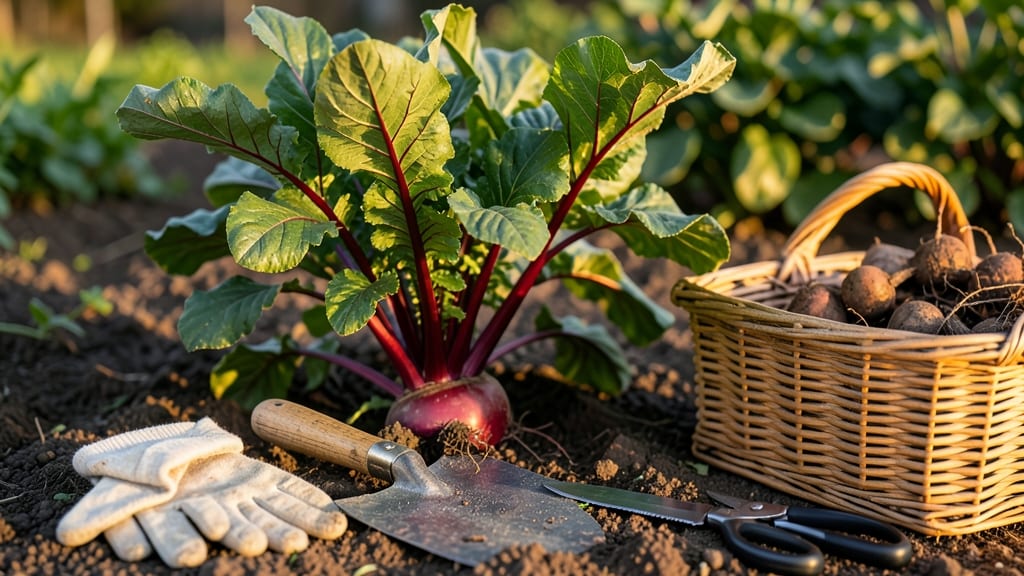
Harvesting and storing beetroot at the perfect time can mean the difference between juicy, flavorful roots and tough, bitter leftovers.
Whether you're growing 🍠 in your backyard or buying from a farmer's market, knowing when to pull them—and how to preserve them—is the key to enjoying their earthy sweetness all season long.
Most gardeners wait too long, ending up with woody roots that fall apart when cooked. The secret lies in watching for those deep colors and firm skins—signs your beetroot is ready to harvest between June and September in zone 6a.
But timing isn’t the only factor; storage methods like curing, refrigeration, or even fermenting can extend their freshness for months.
In this guide, I’ll walk you through exactly when to harvest your beetroot for peak flavor and how to store them using simple, foolproof techniques. No more wasted harvests—just crisp, vibrant beets ready to use whenever you need them.
From avoiding common mistakes to long-term preservation tips, you’ll learn how to keep your beetroot fresh through winter and beyond. Let’s get started!
When and how to harvest beetroot for maximum flavor and storage success
Timing your beetroot harvest is everything—pick too early, and you’ll get small, underdeveloped roots with weak flavor. Harvest too late, and you risk woody, tough textures or cracked beetroot that spoils faster.
The ideal window is when roots reach 1-3 inches in diameter and show deep, consistent color, typically 50-70 days after planting depending on your variety.
I’ve learned the hard way that waiting for perfect size isn’t enough—you also need to watch the leaf health. Yellowing or wilting leaves signal maturity, but don’t wait until they fully die back.
This is your cue to harvest before the beetroot diverts energy to seed production, which makes them bitter and stringy.
Morning is the best time of day to harvest beetroot. The soil is cooler, reducing stress on the roots, and the beetroot will be fully hydrated. Avoid harvesting after heavy rain or when the soil is waterlogged—this can lead to cracked beetroot or muddy roots that won’t store well.
When it’s time to dig, use a fork or spade to gently loosen the soil around the beetroot. Work carefully to avoid piercing the roots—even small holes can cause rot during storage. Lift the beetroot from the sides rather than pulling upward to preserve the root structure and prevent damage.
Here’s a pro tip: Don’t trim the greens until you’re ready to store or cook the beetroot. The leafy tops act as a natural barrier, protecting the root from drying out and maintaining moisture.
If you plan to use the greens, harvest them first with a sharp knife, leaving 1-2 inches of stem attached to the beetroot.
The skin thickness is another key indicator. A mature beetroot’s skin should resist gentle pressure from your fingernail—if it gives easily, it’s not ready. Overly thick skin can also signal the beetroot is past its prime, so aim for a balance between firmness and tenderness.
🌱 Beetroot Harvest
Step-by-step beetroot storage methods: short-term vs. long-term solutions
Storing beetroot properly can extend its shelf life from just a few weeks to months, depending on the method. The key is humidity control, temperature consistency, and minimizing exposure to light and air.
For example, refrigeration works for short-term needs, while root cellaring or freezing unlocks long-term preservation. Let’s break down the best options based on your beetroot variety, size, and household needs.
If you’re storing smaller beets (1-2 inches), they’ll last longer in most methods than larger varieties. Golden beets also store better than deep red or Chioggia types due to their lower moisture content.
Start by curing your beets—let them sit in a cool, dark place for 1-2 hours after harvest to toughen their skin, which prevents spoilage.
For short-term storage (2-4 weeks), refrigeration is the easiest option. Place trimmed beets in a plastic bag with a damp paper towel to maintain humidity. Avoid washing them until ready to use—excess moisture speeds up spoilage.
If you notice soft spots or mold, remove those beets immediately to prevent contamination of the rest.
For long-term storage (4+ months), a root cellar is ideal if you have one. Pack cured beets in a sandbox with damp sawdust (not soil) to regulate moisture. Keep temperatures between 32-40°F and humidity at 85-90%.
If you don’t have a root cellar, a cool basement or unheated garage can work in a pinch—just avoid fluctuating temperatures, which cause condensation and rot.
Freezing is perfect for cooking or juicing later. After blanching, cool beets in ice water to stop the cooking process, then pat dry before freezing in airtight, labeled bags. Label with the date—frozen beets last up to 12 months but may develop off-flavors if stored too long.
For fermenting or canning, use a 5% brine solution (5 tbsp salt per gallon of water) and process jars in a water bath for 90 minutes to ensure safety.
Pro tip: Don’t store beets with apples or potatoes—these produce ethylene gas, which accelerates spoilage. Keep them separate in your fridge or storage space for maximum freshness. With the right method, you’ll enjoy homegrown beets year-round without waste! 🌱